- The White House had previously scrapped a return flight on the Qatari-gifted plane due to security concerns, with the older plane having better security features, a precaution that made sense given Turkey's border with Iran.
- Trump and the White House continued to deny a specific security threat even after the danger had passed, with Trump flatly denying any security concern when questioned by reporters.
- The plan left reporters and administration staffers on the legacy Air Force One as unwitting decoys, raising questions about their safety, and Secretary of State Marco Rubio ignored a question about whether they were put at risk.
- The credible threat from Iran undercuts Trump's previous claims that Iran's military capabilities have been decimated, including his assertions that Iran had no navy, military, air force, or anti-aircraft systems.
- The administration took the extraordinary step of subpoenaing Times journalists who reported the plane swap, but withdrew the subpoenas two weeks later after a judge expressed skepticism.
- Former Obama White House adviser David Axelrod argued that if extraordinary steps were needed to protect the president due to a high threat level, the American people deserved to know about it.
- There were already valid questions about why Trump was flying the Qatari-gifted plane if it wasn't as safe as the legacy plane, suggesting his desire to use the new plane might have led to cut corners.
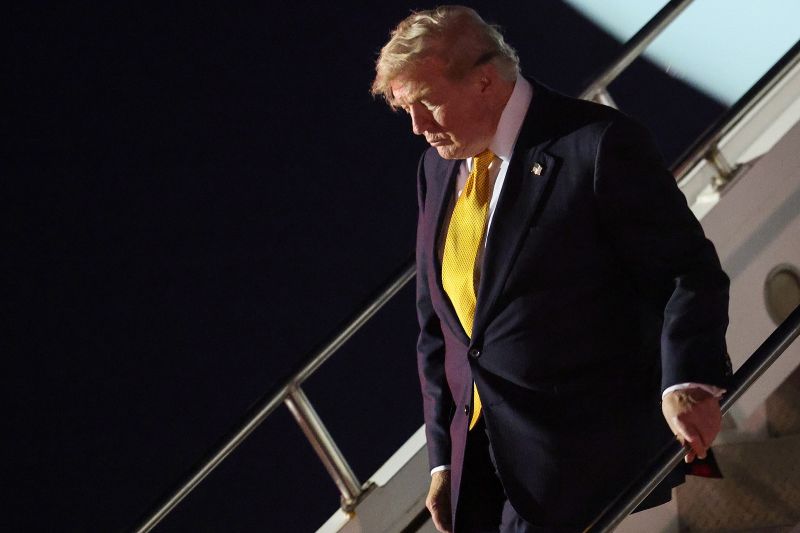
President Trump’s secretive plane switch in Turkey, prompted by a credible security threat from Iran, has raised significant concerns about the safety of those left behind.78
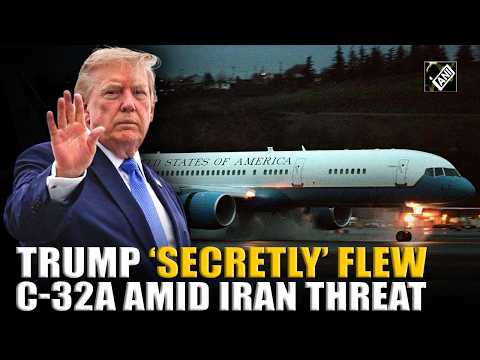
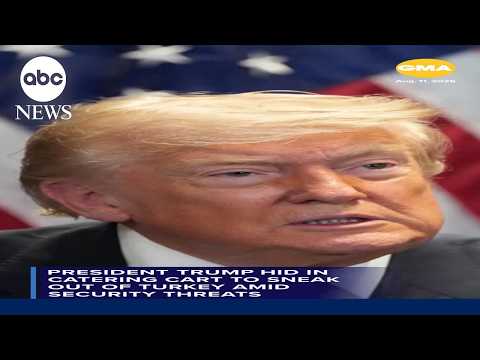
Trump was transferred from a legacy Air Force One to a C-32A via a catering truck, while reporters and staff remained on the original plane as decoys.456
The White House denied any risk, with Trump deflecting questions about the threat, stating, “I have a threat all the time... But if I go, you go.”123
This incident has led to scrutiny over the administration's transparency regarding security measures, especially given the proximity of Turkey to Iran.
Former Secret Service agent Robert McDonald expressed concern, stating, “There’s going to be questions now with respect to what security was provided for each of the other two 747s.”
Despite Trump’s claims that Iran’s military capabilities were diminished, the need for such drastic measures contradicts his assertions, as “the threat level was that high in this particular case,” according to former Obama adviser David Axelrod.10
The administration's decision to switch planes and the subsequent denial of risk have sparked debate about the safety of journalists and staff, with Secretary of State Marco Rubio avoiding questions on the matter.
The situation escalated when the administration subpoenaed journalists who reported on the plane switch, claiming national security was at stake, but later withdrew the subpoenas after judicial skepticism.
This incident highlights the complexities and risks involved in presidential travel, particularly in volatile regions.
“The administration subpoenaed Times journalists who reported the swap, but withdrew after a judge's skepticism. Former Obama adviser David Axelrod argued the public deserved to know the threat level, while Secretary of State Marco Rubio ignored questions about staff safety.”