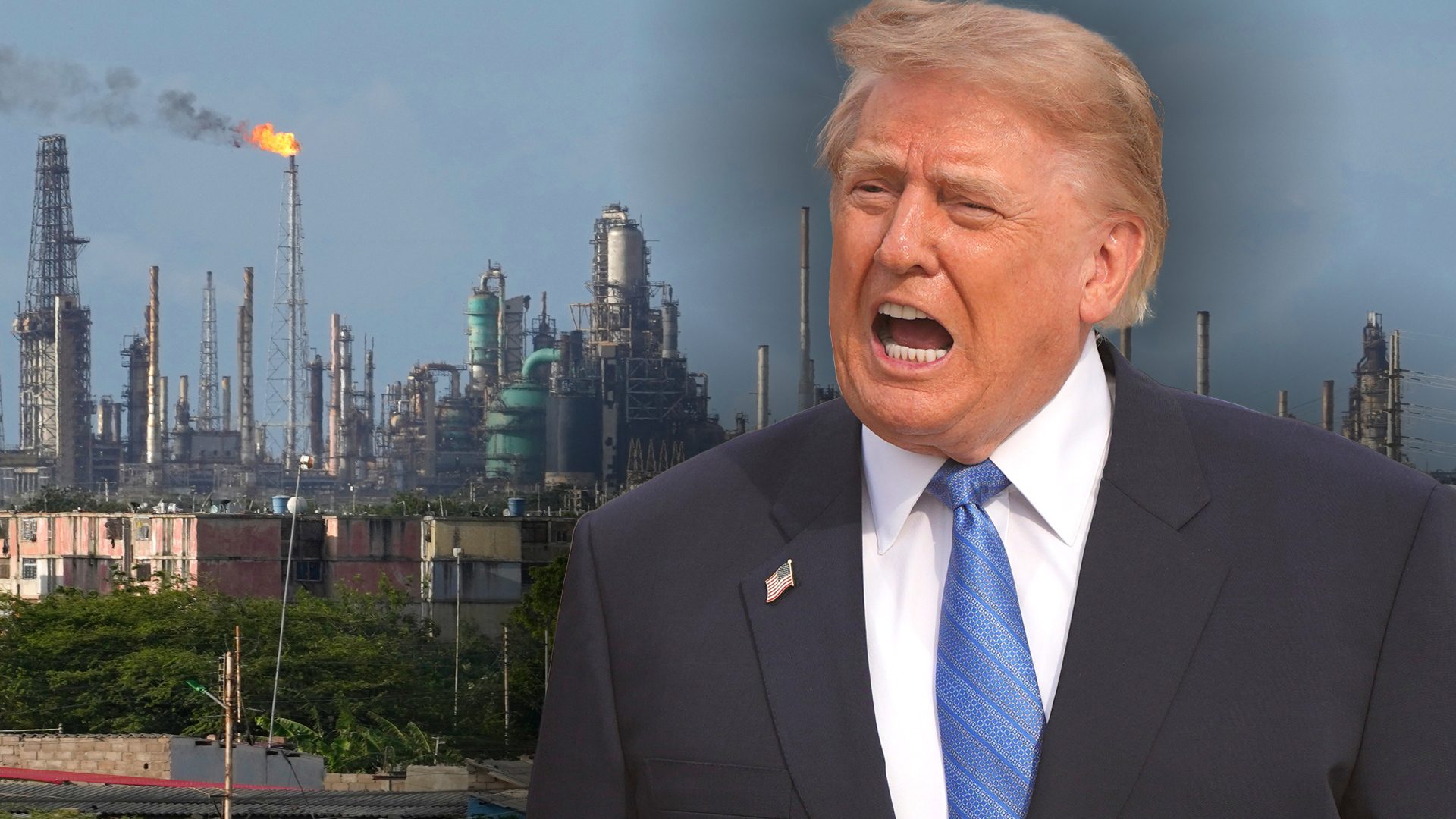
- Trump announces Venezuela agreed to give the US control of 65 billion barrels of oil reserves, following weeks of negotiations over a deal granting American companies long-term access to Venezuelan oilfields.
- Venezuelan officials are preparing to sign agreements next week granting new oil exploration and production rights, particularly to U.S. firms.
- Secretary of State Marco Rubio described the agreement as a win for both countries, saying it would secure stable, low-cost oil for the U.S. and help lower gasoline prices, while bringing nearly $100 billion in private investment to Venezuela and supporting thousands of high-paying jobs.
- Interim leader Delcy Rodriguez said the agreement would allow a significant increase in production through the development of 17 strategic fields and result in tax revenue totaling $209 billion.
- Rodriguez stated that the investments would contribute to the recovery and modernization of Venezuela's industry, economic growth, energy security of the hemisphere, and greater balance in international markets.
- Analyst David Goldwyn questioned the legal basis of a U.S. government lease under Venezuela's constitution and hydrocarbons law, noting there is "no precedent" for such an arrangement.
- Sources told Reuters that a lease model was under consideration, with fields potentially auctioned to U.S. producers, but the arrangement could face legal and constitutional challenges in Venezuela.
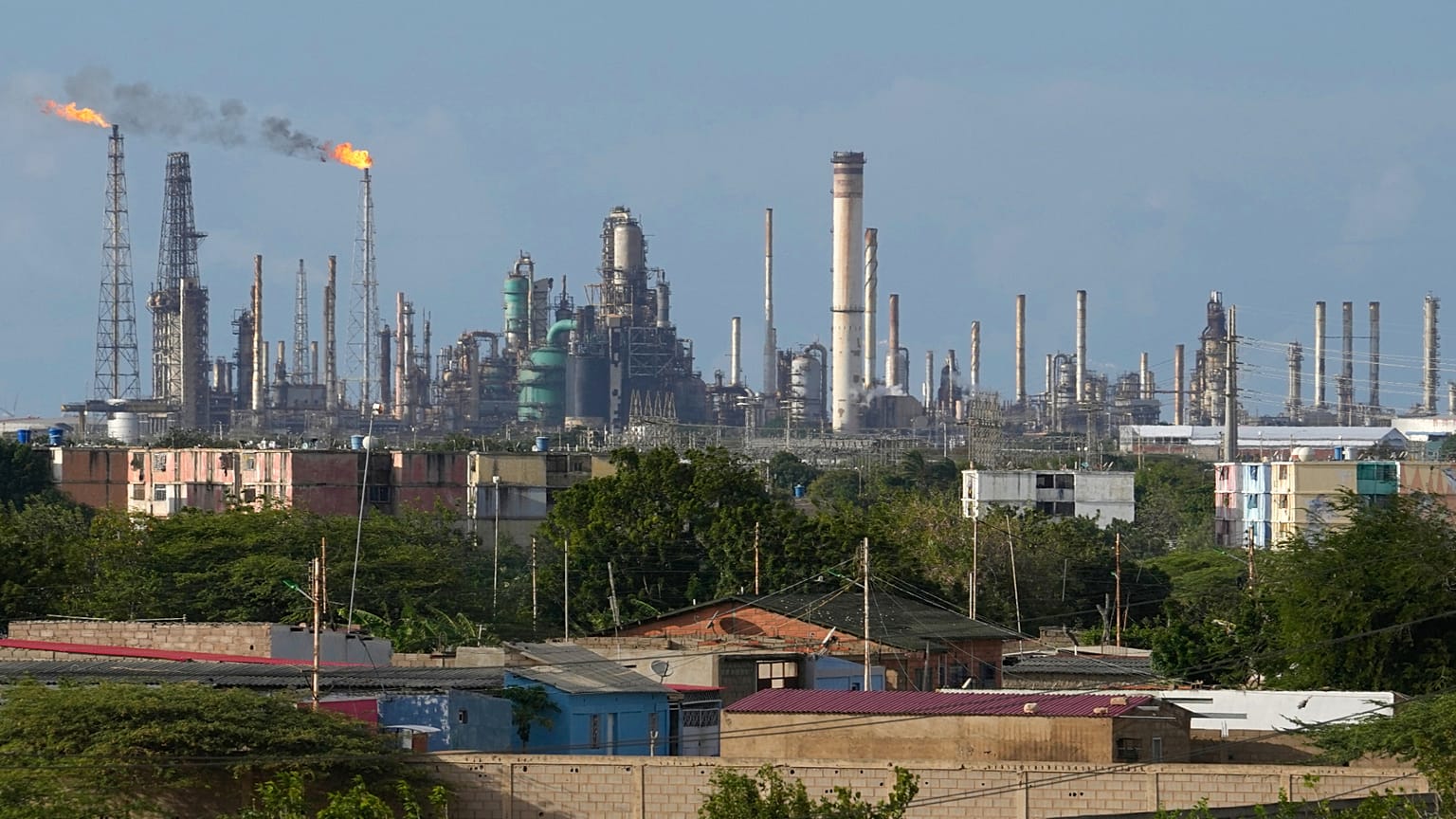
- A list seen by Reuters shows the fields are located in the Orinoco Belt and Lake Maracaibo regions.
- Goldwyn doubted the arrangement would accelerate investment at any material scale due to political uncertainty, inadequate power grid, limited export capacity, and government discretion.
Former President Trump announced a significant agreement with Venezuela, granting U.S. control over 65 billion barrels of oil reserves. This deal, following weeks of negotiations, aims to provide American companies with long-term access to Venezuelan oilfields, ensuring a stable crude supply for the U.S.1
The agreement is expected to bring nearly $100 billion in private investment to Venezuela, supporting thousands of high-paying jobs and aiding in the country's economic recovery. Delcy Rodriguez, the interim leader of Venezuela, stated that the deal would allow for a significant increase in production through the development of 17 strategic fields, resulting in tax revenue totaling $209 billion for the country.345
However, the arrangement may face legal challenges under Venezuela's constitution, as the state retains control over core oil industry activities. David Goldwyn, president of Goldwyn Global Strategies, expressed skepticism about the legal basis for a U.S. government lease to operate oil fields, noting that there is no precedent for such an arrangement. He highlighted potential obstacles, including political uncertainty and limited export capacity.7
Despite these challenges, Marco Rubio hailed the agreement as a win for both nations, emphasizing its potential to secure stable, low-cost oil for the U.S. and lower gasoline prices.
“Secretary of State Marco Rubio called the agreement a win for both countries, saying it would bring nearly $100 billion in private investment to Venezuela and support thousands of high-paying jobs. Interim leader Delcy Rodriguez said the deal would develop 17 strategic fields and generate $209 billion in tax revenue.”


 The Independent