- US Navy has completed mine-sweeping operations across the Strait of Hormuz, according to President Donald Trump.
- Trump declared that the US Navy is the sole force controlling the strait.
- Iran has demanded compensation, an end to sanctions, and a halt to military threats as conditions for reopening the strait.
- Trump has also demanded compensation from Iran for deaths and injuries linked to the conflict.
- Oil prices surged by 5% as hopes for an agreement between the US and Iran faded.
- Iran has indicated that talks with Oman regarding new shipping lanes are progressing, although some technical issues remain.
- The US has opposed any arrangement that would allow Iran to charge fees for access to the strait.
- Before the conflict began, about a fifth of global oil and liquefied natural gas shipments passed through the Strait of Hormuz.
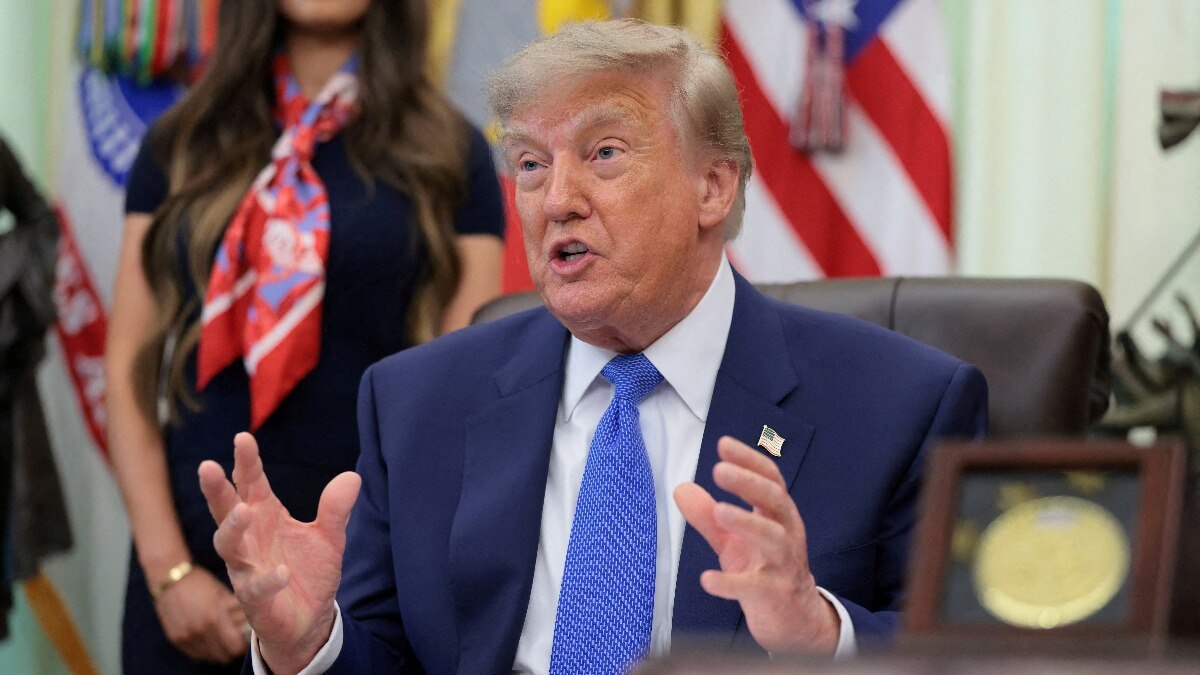
President Donald Trump declared that the U.S. Navy has full control over the Strait of Hormuz after successfully completing mine-clearing operations. He emphasized, "Look, the only one that has control of the Strait of Hormuz right now is the United States Navy."12
This assertion comes amid escalating tensions as both the U.S. and Iran exchanged compensation demands, complicating the reopening of this crucial waterway. Trump is demanding compensation from Iran for the USS Cole attack, which resulted in the deaths of 17 U.S. sailors, despite the attack being attributed to al-Qaeda, not Iran. He also holds Iran accountable for regional conflicts in Lebanon, Syria, Yemen, and Gaza.45
In response, Iran has linked the reopening of the Strait to U.S. concessions, including the lifting of sanctions and an end to military threats. Iranian Foreign Minister Abbas Araqchi stated that Tehran would not resume negotiations while the U.S. remains in breach of a June interim agreement. Meanwhile, Iran is reportedly nearing a pact with Oman to establish new shipping lanes through the strait, although some technical issues persist.7
The ongoing standoff has led to a spike in oil prices, with Brent crude rising 4.99% to $87.72 a barrel and U.S. West Texas Intermediate increasing 5.05% to $82.13, marking the largest percentage gains since late July. The Strait of Hormuz, which previously facilitated about one-fifth of global oil and LNG shipments, remains effectively blocked since the conflict began in February.69
“Iran's foreign ministry says talks with Oman on new shipping lanes are progressing, but technical issues remain. Oil prices jumped 5% as hopes for a quick agreement faded, with Brent settling at $87.72 a barrel.”






