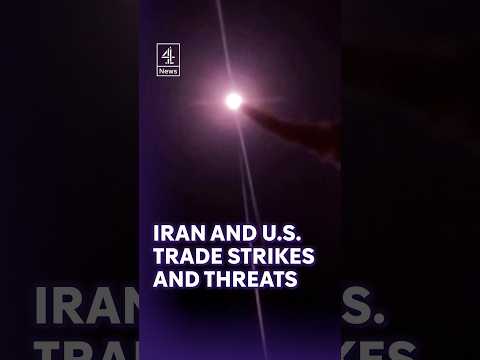
- The US has conducted strikes on IRGC positions on Larak Island, marking the first American strikes on Iran since late July.
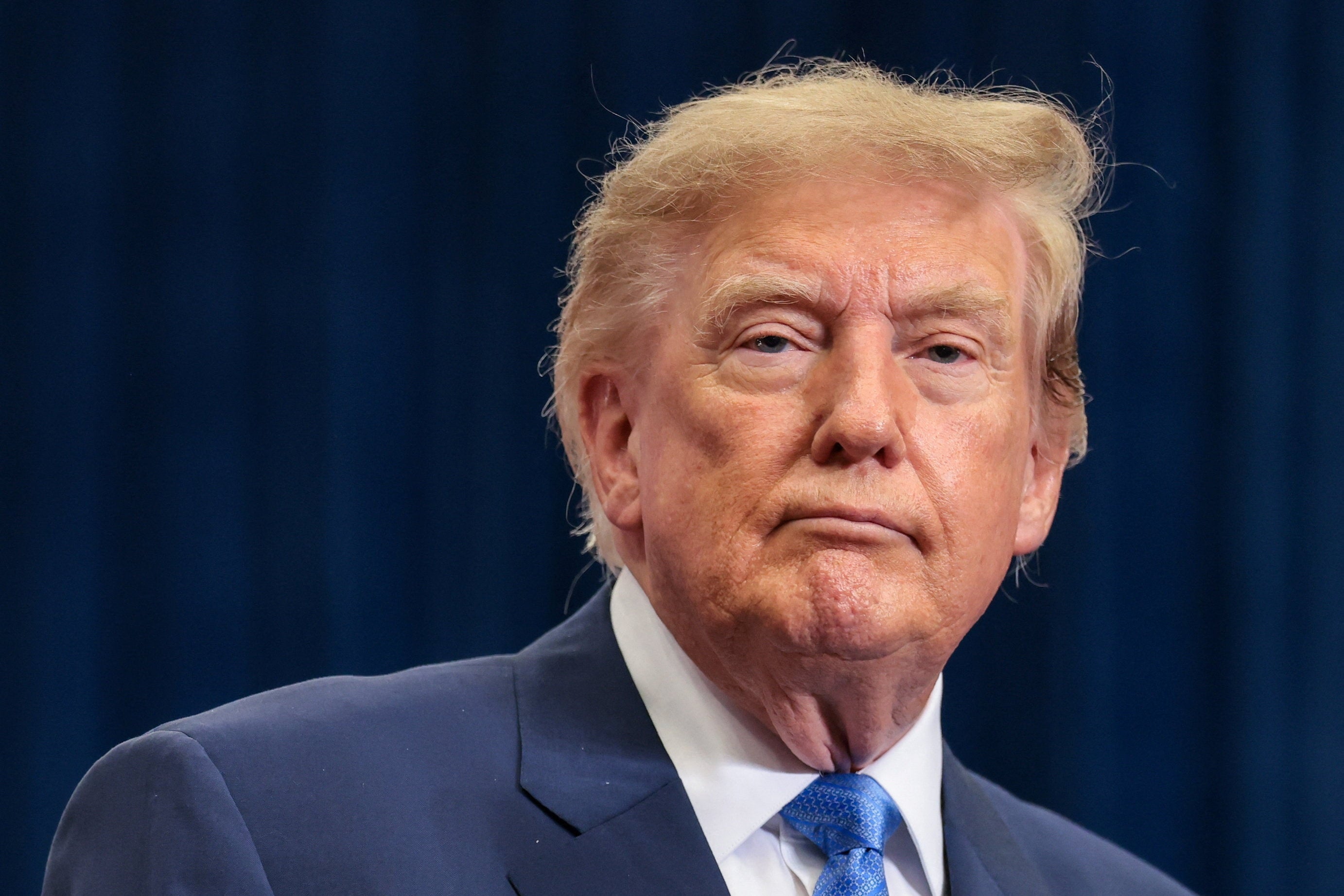
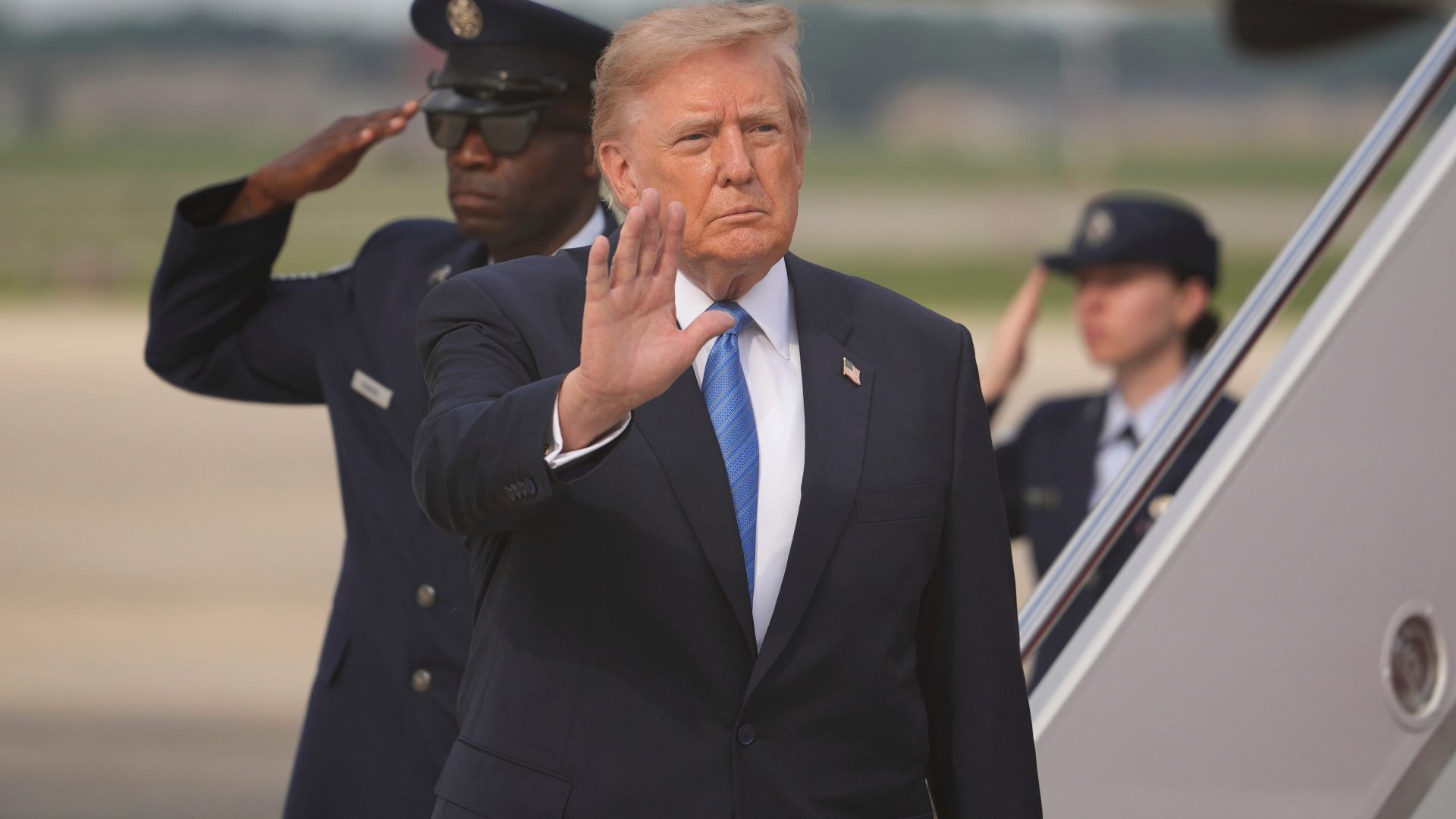
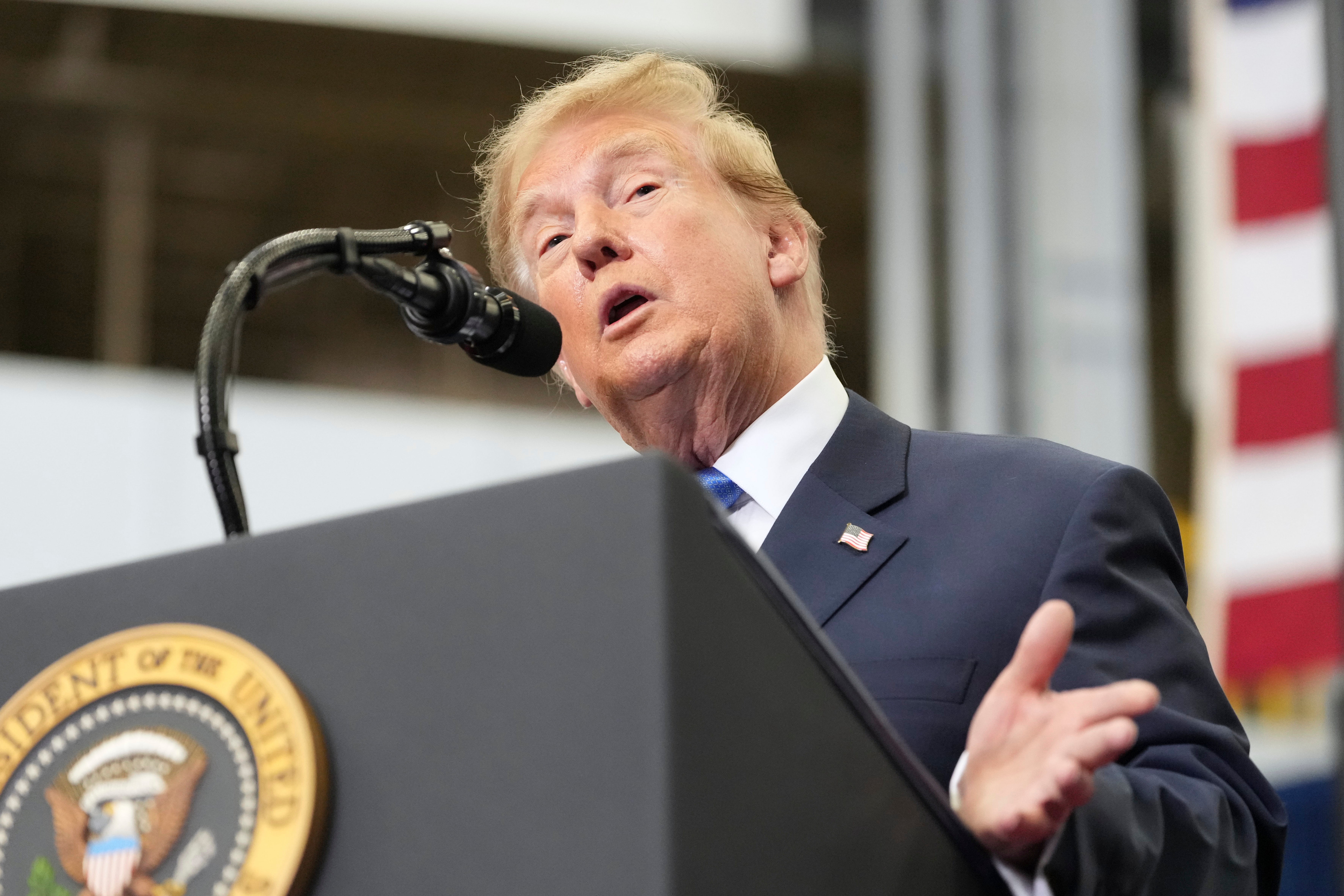
- In response to the Iranian strikes on US military bases, President Trump has threatened to hit Iran hard, stating, ‘We’re going to hit them hard. There will be a response.’
- The US Defence Department has denied that the US struck Iran's primary oil export hub, confirming that the strikes targeted only IRGC positions on Larak Island.
- Despite the ongoing conflict, Iranian President Masoud Pezeshkian has emphasized that Tehran is still seeking a negotiated solution to its conflict with the US.
- A classified Pentagon assessment advised that prolonging the conflict is weakening the US in other areas, including on home soil.
- Vice President JD Vance stated that Trump's social media post was sending a message to the Iranians, noting that Trump typically does not announce military actions on social media.
- US Treasury Secretary Scott Bessent indicated that the goal of US sanctions on Iran is to create conditions for negotiations, warning that Iran's economy could collapse within weeks or months.
- The ongoing conflict in the Middle East is projected to have a severe financial impact, with estimates suggesting a loss of £3,400 per average UK household over the next two years, according to the Centre for Economics and Business Research (CEBR).
President Trump has indicated a potential military escalation against Iran, stating, “We’re going to hit them hard. There will be a response.” This comes after Iranian forces retaliated against U.S. military bases following American strikes on Larak Island, marking a significant increase in hostilities.1
The U.S. Defense Department clarified that its strikes were aimed solely at IRGC positions on Larak Island, denying reports of attacks on Iran's oil export hub. Despite the military actions, Iranian President Masoud Pezeshkian reiterated Tehran's desire for a negotiated resolution, emphasizing that diplomacy remains a priority.34
The situation remains tense, with U.S. officials suggesting that the ongoing conflict could have broader implications for U.S. military readiness. A classified Pentagon assessment reportedly warned that prolonging the conflict is weakening U.S. capabilities elsewhere, including domestically.5
U.S. Treasury Secretary Scott Bessent stated that sanctions aim to pressure Iran into negotiations, predicting that the Iranian economy could collapse within weeks if the current blockade continues. He noted, “We have the blockade, and we are going to continue exerting pressure.” The stakes are high as both nations navigate this precarious situation, balancing military action with the potential for diplomatic engagement.7
“The US Defence Department denied striking Iran's oil export hub, confirming strikes targeted IRGC positions on Larak Island. Meanwhile, Treasury Secretary Scott Bessent said sanctions aim to force Iran to negotiate, warning its economy could collapse 'within weeks or months.'”

 independent.co.uk