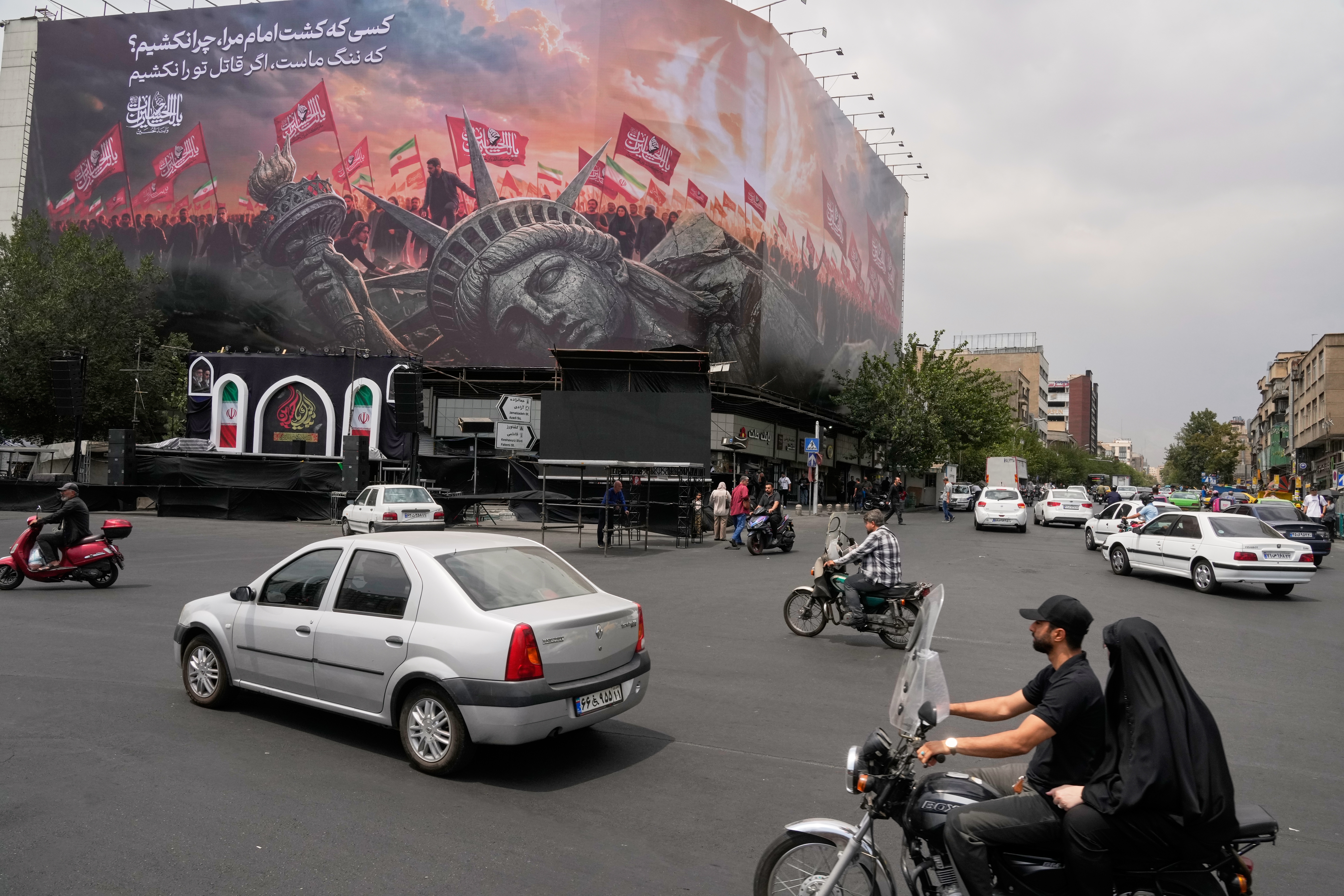
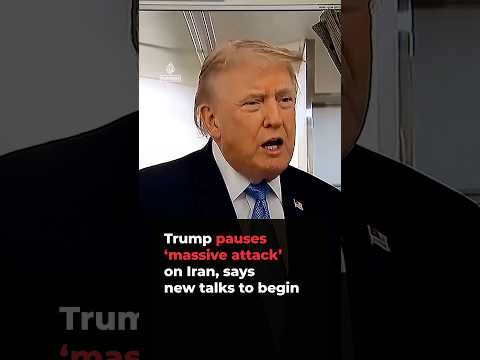
- U.S. President said new talks to wind down the war would start Monday, after holding off on threatened massive strikes; the talks would seek to end the conflict and revive stalled cargo traffic through the Strait of Hormuz.
- Tehran said it was not currently holding negotiations with the United States; Iranian state media quoted the foreign ministry denying talks, and spokesperson Esmail Baghaei said ongoing talks were with Oman and focused only on establishing a temporary route for safe navigation through the strait.
- In an angry social media post, Donald Trump said Iran’s leadership is ‘unbelievably duplicitous’ and declared that the United States military blockade will continue until ‘a Deal, or Total Surrender’ is accomplished.
- Trump did not provide further details or say who would be involved, and has shown a pattern of threatening massive strikes that he later calls off in the five-month war that has upended global markets and sent fuel and basic goods prices soaring.
- Trump told reporters on Air Force One that he decided to hold off on ordering new strikes against Iran at the urging of Gulf allies Qatar, the United Arab Emirates and Saudi Arabia; he quoted them as saying they would ‘much prefer a deal as opposed to an attack’.
President Trump announced that new talks to end the ongoing war with Iran will begin Monday, despite Tehran denying any negotiations are taking place. Trump described Iran as 'unbelievably duplicitous' and stated that a military blockade will remain until a deal or total surrender is achieved.123459101112
Trump's decision to initiate talks comes after he was urged by Gulf allies, including Qatar, Saudi Arabia, and the United Arab Emirates, to reconsider planned military strikes. He stated, 'What would you rather do? Would you rather us do this or not?' The allies preferred a diplomatic solution over military action, fearing the unpredictable consequences of an attack.
Despite Trump's claims, Iranian officials, including Esmail Baghaei, spokesperson for the Iranian Foreign Ministry, have stated that Tehran is not currently engaged in talks with the U.S. and is instead focused on negotiations with Oman regarding safe navigation through the Strait of Hormuz. Baghaei emphasized that there are no plans for any Iranian delegation to meet with U.S. representatives.
The conflict has significantly impacted global markets, with crude oil prices falling sharply following Trump's announcement to prioritize negotiations over military action. Brent crude dropped to $83.50 a barrel, while U.S. West Texas Intermediate fell to $79.47.
Trump's approach has been characterized by a pattern of threats followed by diplomatic overtures, a strategy that has defined the five-month conflict and its effects on international trade and security.
“Iran’s foreign ministry spokesperson Esmail Baghaei said talks continue only with Oman on a temporary safe-navigation route through the Strait of Hormuz. Trump scrapped planned strikes described as “the biggest attack since World War II” at the urging of Qatar, Saudi Arabia and the UAE.”


 Global News
 The Guardian



