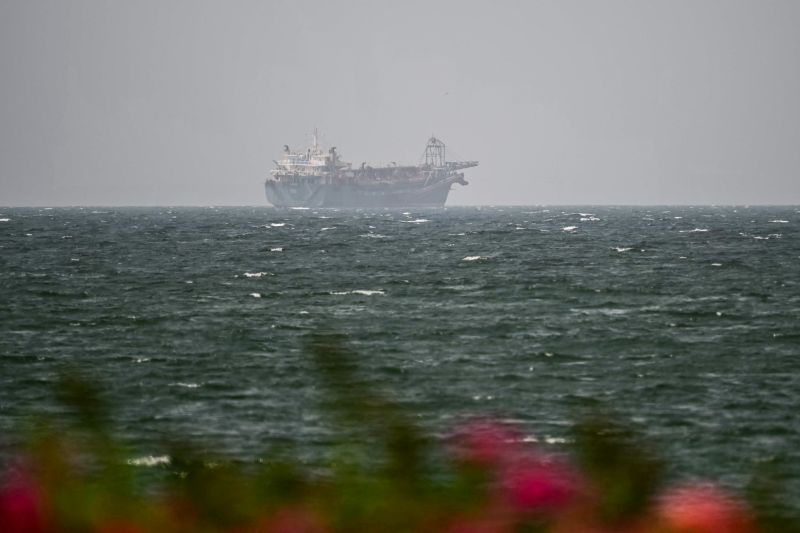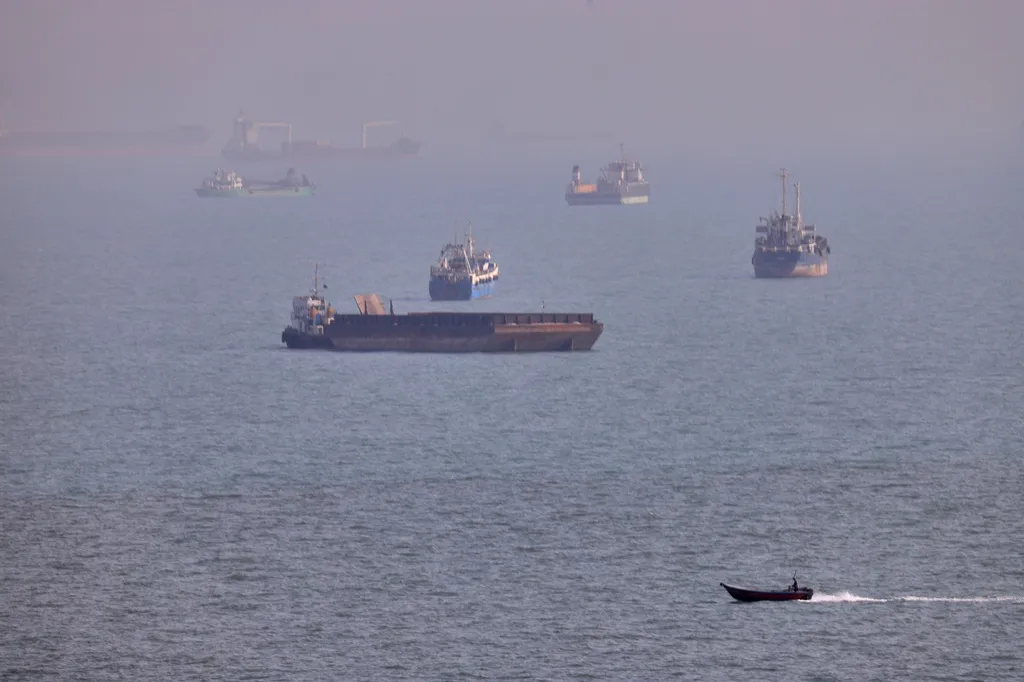
- Iran says a deal on the Strait of Hormuz with Oman is agreed in principle.
- Iran's Deputy Foreign Minister Kazem Gharibabadi cautioned that the agreement would not mean full reopening of the sea lane.
- Tehran insists the US is not part of its deal with Oman.
- Iran and Oman have been negotiating a plan for managing maritime traffic through the strait.
Iran and Oman have reached a preliminary agreement to manage maritime traffic through the Strait of Hormuz, a crucial passage for global oil shipments. The deal is said to be in its final stages, but Deputy Foreign Minister Kazem Gharibabadi emphasized that it will not fully reopen the sea lane.134
The negotiations have been ongoing, with both countries working to establish a framework for traffic management in this vital chokepoint. Tehran has made it clear that the United States is not involved in this agreement, highlighting the regional dynamics at play.
As oil traders await the finalization of the deal, the implications for global oil markets remain significant. The Strait of Hormuz is a critical artery, with a substantial percentage of the world's oil passing through it. The partial reopening could ease some tensions in the market, but the lack of a full reopening may continue to create uncertainty for traders.2
In summary, while the agreement between Iran and Oman marks a step forward in managing maritime traffic, the cautious approach from Iranian officials suggests that full access to the Strait of Hormuz remains a complex issue that will require further negotiation.
“Iran's Deputy Foreign Minister Kazem Gharibabadi stressed the agreement would not mean full reopening of the strait, while Tehran insists the US is not part of the deal. Oil traders continue to await the final agreement, which is said to be in its final stages.”