- The June MoU calls for a 60-day free transit period through the Strait of Hormuz.
- Wednesday route on ships transiting the Strait of Hormuz and finalising joint management arrangements.
- Geographical coordinates agreed for the Hormuz transit route and the joint statement in final review.
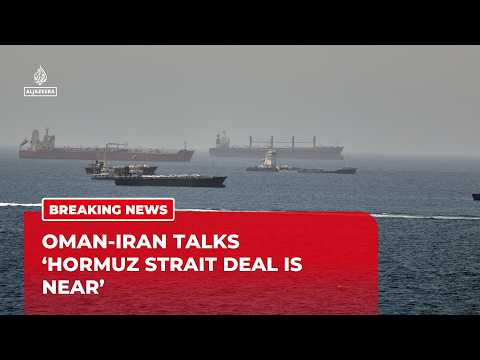
Negotiations among the United States, Iran and Oman on reopening the Strait of Hormuz appear to be converging on an interim framework. The plan would allow ships to transit freely for a defined period, with entry through an Iranian-controlled route and exit through an Oman-controlled route, seeking to restore a corridor that carries about one-fifth of the world's oil in peacetime.
Key mechanics include a service fee with a revenue split between Iran and Oman to fund security and preserving the maritime environment.
Coordinates for the route have been agreed, and the arrangement would hinge on timing and implementation. The proposal envisions a 60-day period of free transit under a June memorandum of understanding, potentially bringing the U.S. and Iran back to the negotiating table.

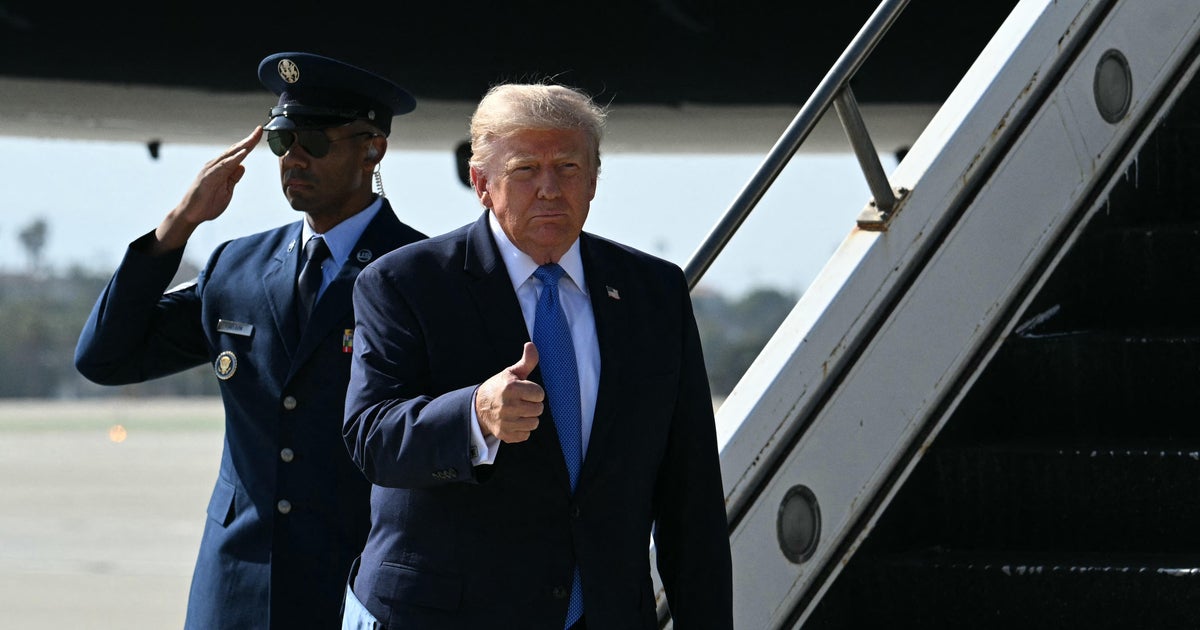
Trump has signaled optimism, saying negotiations are “moving along very nicely” and that results could be known within “48 hours”; he warned that the Strait would open soon or face repercussions.
Tehran says U.S. threats remain a hurdle, though Iran’s foreign minister described talks as positive. Nonetheless, risk remains as a UK-based agency reported a cargo ship struck off Oman, underscoring ongoing tensions in the region.
The coordinates and the route logic, along with the possible 60-day window, are being reviewed as authorities seek to formalize the proposal that could reopen the strait while reconstituting broader talks on Iran’s nuclear program and regional conflict resolution.
“The agreement would allow the U.S. and Iran to return to negotiations under a June memorandum calling for 60 days of free transit. Iran's foreign ministry warns the understanding alone cannot secure the strait while U.S. naval blockade threats persist.”



 CBS News



