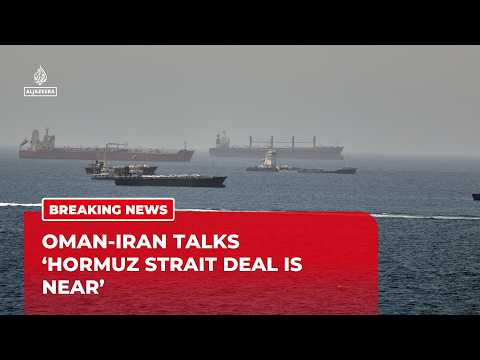
- Iran and Oman are currently engaged in talks over reopening the Strait of Hormuz, focusing on the mechanics of reopening the waterway.
- An Iranian-Omani proposal under negotiation would have no tolls or service fees for ships transiting the strait.
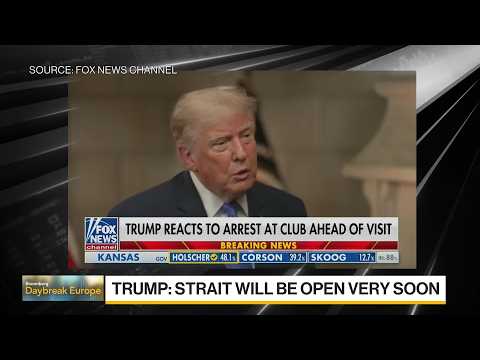
- President Trump stated in an interview with Fox News that he believes gas prices will sink to around $2.50 per gallon if the Strait of Hormuz can be fully reopened.
- Trump also mentioned that the U.S. held an all-day negotiation with Iran that went very well.
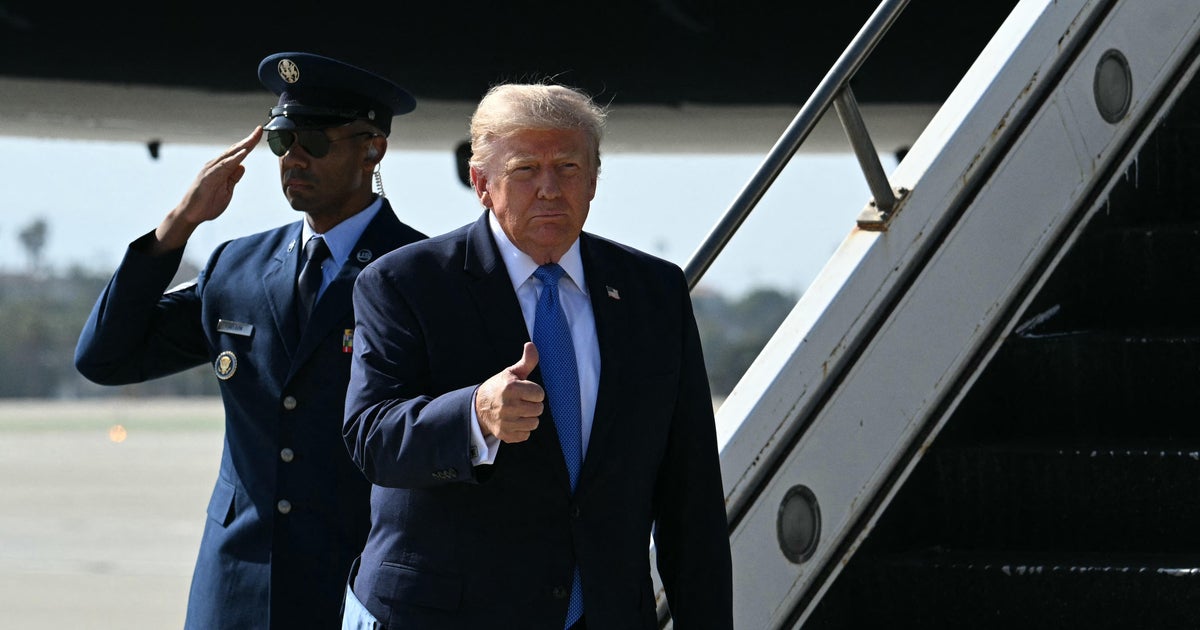
- Before leaving Los Angeles, Trump told reporters that a deal to reopen the Strait of Hormuz could be reached on Wednesday or Thursday.
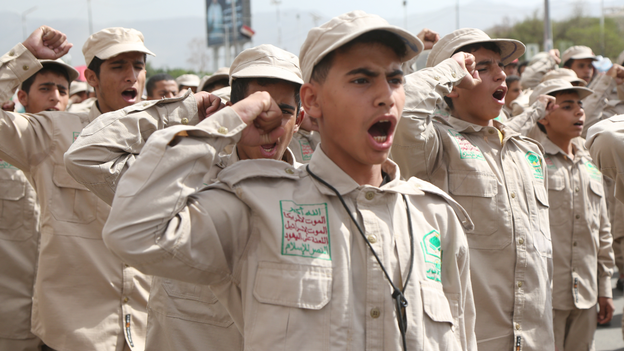
- On Wednesday, Yemen's Houthis claimed they struck another Saudi oil tanker, the Wafa, with ballistic missiles, marking the eighth vessel they say they struck on July 22.
President Trump stated that a deal to reopen the Strait of Hormuz could be reached as early as Wednesday or Thursday, potentially lowering U.S. gas prices to $2.50 per gallon. He emphasized that negotiations with Iran are progressing, saying, "They want to talk. We've been talking. They want to make a deal. They do not want to be hit."135
The average price for regular gasoline in the U.S. currently stands at $4.08 per gallon. Trump noted that if friction is eliminated, prices could drop significantly. He mentioned an "all-day negotiation" with Iran that went well, hinting at a positive outcome.4
In the backdrop of these negotiations, Yemen's Houthis claimed responsibility for striking another Saudi oil tanker, the Wafa, with ballistic missiles, marking the eighth vessel targeted in recent weeks. This escalation raises concerns about regional stability as the U.S. and Iran engage in talks over the strait's reopening.67
The proposed agreement would allow ships to enter the strait through an Iranian-controlled route and exit through an Omani route, with no tolls or service fees for transit. However, the U.S. has previously ruled out any deal granting Iran control over the strait, emphasizing that any charges would be imposed by the U.S.2
Iran's Foreign Minister stated that discussions with Oman have been positive, aiming to establish mechanisms for managing shipping traffic in this critical waterway.
“The possible Iran-Oman agreement would let ships enter the Persian Gulf through an Iranian-controlled route and exit via Oman, with service fees for security and preserving the maritime environment. Houthi spokesman Yahya Saree said the Saudi-flagged Wafa was the eighth vessel struck on July 22.”


 foxnews.com
 CBS News



