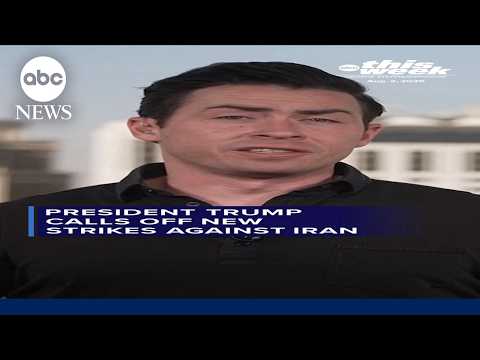
- President Donald Trump said late Saturday he would halt new planned attacks on Iran pending renewed talks to wind down the war and revive stalled cargo traffic through the Strait of Hormuz.
- The announcement was the latest in a pattern of threatening massive strikes and then calling them off; the abrupt shifts have been a defining feature of the five-month conflict and have been upended by renewed attacks days or even hours afterward.
- On Aug. 1, Trump canceled planned strikes after claiming Mideast allies had reached the parameters of a deal, saying he had agreed “to cancel the attack, subject to being able to rapidly make a DEAL.” Iran’s defense minister said Iran was “neither surprised nor passive.”
President Donald Trump has announced a halt to new planned attacks on Iran, pending negotiations aimed at reviving cargo traffic through the Strait of Hormuz. This decision is part of a broader pattern of fluctuating military threats and diplomatic overtures that have characterized the ongoing conflict.1
Trump's announcement came after a series of escalating tensions, including threats of significant military action. “There seems to be a very good chance that they can work something out. If we can do that without bombing the hell out of them, I’d be very happy,” he stated, reflecting a desire for a diplomatic resolution.
However, this approach has often been undermined by renewed hostilities. For instance, after a fragile ceasefire, the U.S. conducted strikes on Iranian tankers, demonstrating the volatility of the situation. “It’s a memorandum of understanding, and if I don’t like it, we’ll go back to shooting at them, dropping bombs,” Trump warned, indicating the precarious nature of the negotiations.
Iran's response to Trump's announcements has been one of vigilance. The Iranian defense minister remarked that the country was “neither surprised nor passive” in light of the threats, emphasizing Iran's readiness to respond to U.S. actions.
As the situation evolves, the international community watches closely, aware that the Strait of Hormuz is a critical passage for global oil shipments, making stability in the region essential for economic security worldwide.
“The halt follows an Aug. 1 cancellation in which Trump said he agreed 'to cancel the attack, subject to being able to rapidly make a DEAL'; Iran's defense minister said the country was 'neither surprised nor passive.' Trump's abrupt shifts have defined the five-month conflict, upended by renewed attacks days or even hours afterward.”