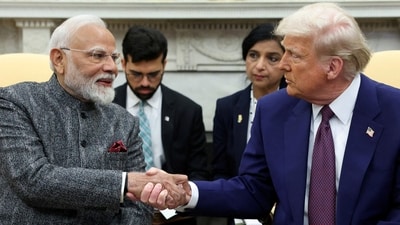
- Trump has responded to a Russia sanctions bill passed by the US Senate that could expose India and four other countries to tariffs of up to 100%, suggesting that the legislation should also include tariff measures against Iran.
- The sanctions bill advanced on Tuesday and is aimed at increasing economic pressure on Moscow over its invasion of Ukraine.
- The bill, which cleared a key procedural vote in the Senate by 86-12, proposes sanctions against Russian officials and authorizes the US president to impose steep tariffs on India, Slovakia, and Hungary.
- If enacted, the legislation would allow Trump to impose tariffs of up to 100% on major buyers of Russian oil, including India.
- India, the second-largest buyer of Russian crude oil after China, is among the countries that could face higher tariffs under the proposed legislation.
- Some Democrats have raised concerns over granting the president wide-ranging tariff powers, warning that such action could increase costs for American consumers and businesses.
President Trump has reacted to a newly passed Russia sanctions bill that could impose up to 100% tariffs on countries purchasing Russian energy, including India. He has called for the inclusion of tariffs on Iran in the legislation, which aims to increase economic pressure on Moscow amid its invasion of Ukraine.1234
The bill, which cleared a key procedural vote in the Senate by 86-12, targets countries like India, Slovakia, Hungary, and Azerbaijan for their continued purchases of Russian oil and gas. If enacted, it would allow Trump to impose steep tariffs on these nations, which have been criticized for fueling Russia's war efforts.
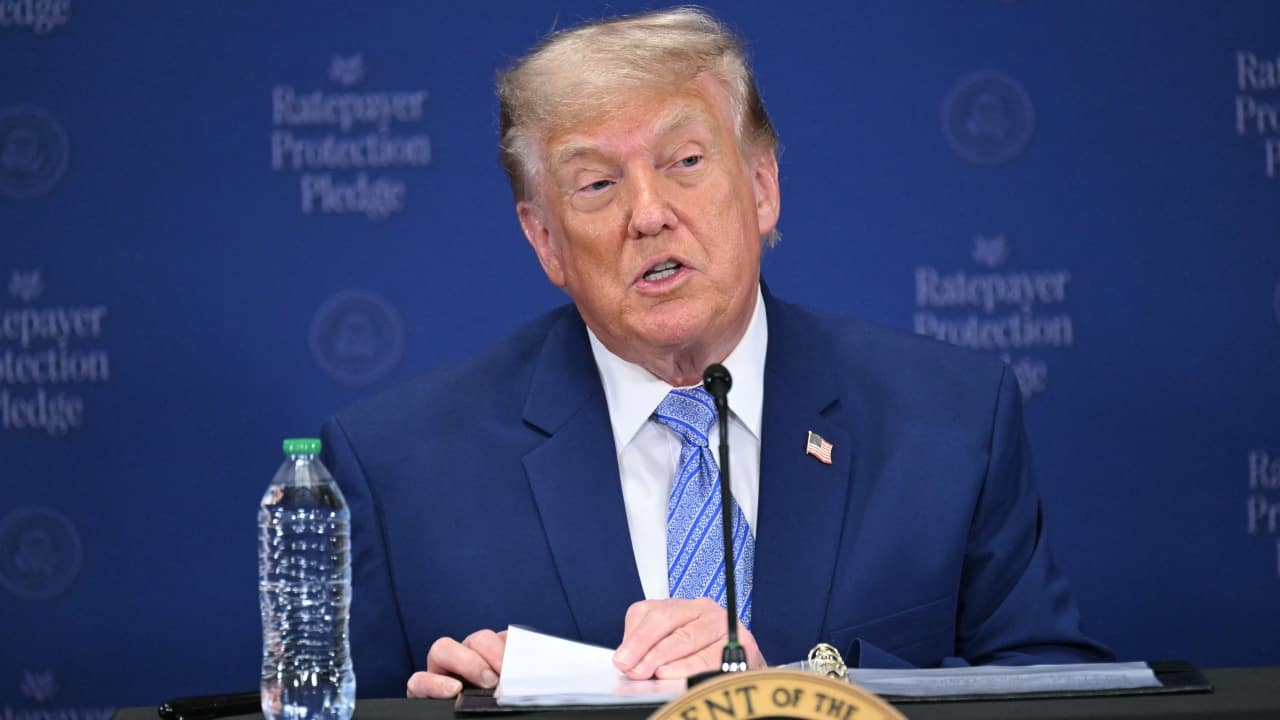
Trump stated, "It shouldn't be necessary, to be honest. But if it's necessary... I'd like them to add Iran as tariffs, not just as sanctions. I think it's important." This statement reflects his desire for a more comprehensive approach to sanctions that includes Iran, which has been a point of contention among lawmakers.
The sanctions bill is part of a broader strategy to penalize nations that support Russia's military actions. India, the second-largest buyer of Russian crude oil after China, has already faced penalties, including a 25% tariff imposed in August 2025, which increased the total tariff on Indian goods to 50%. This has raised concerns among some Democrats about the potential impact on American consumers and businesses, as they warn that granting the president such broad tariff powers could lead to increased costs.56
“The sanctions bill, which passed a key Senate vote, aims to increase pressure on Russia by targeting countries like India that purchase its energy. If enacted, it would allow Trump to impose tariffs of up to 100% on major buyers of Russian oil, raising concerns among some lawmakers about potential impacts on American consumers.”