- US envoys Steve Witkoff and Jared Kushner visited Moscow and Kyiv over the weekend for talks with Putin and Zelensky.
- On Tuesday, Putin and Trump held a one-hour phone call, exchanging views on the outcome of the visits.
- Kremlin aide Yuri Ushakov described the call as 'extremely frank' and noted that Putin provided an 'objective and detailed analysis' of the frontline situation.
- The talks brought no immediate breakthrough in the four-and-a-half-year war, which is Europe's bloodiest conflict since World War II.
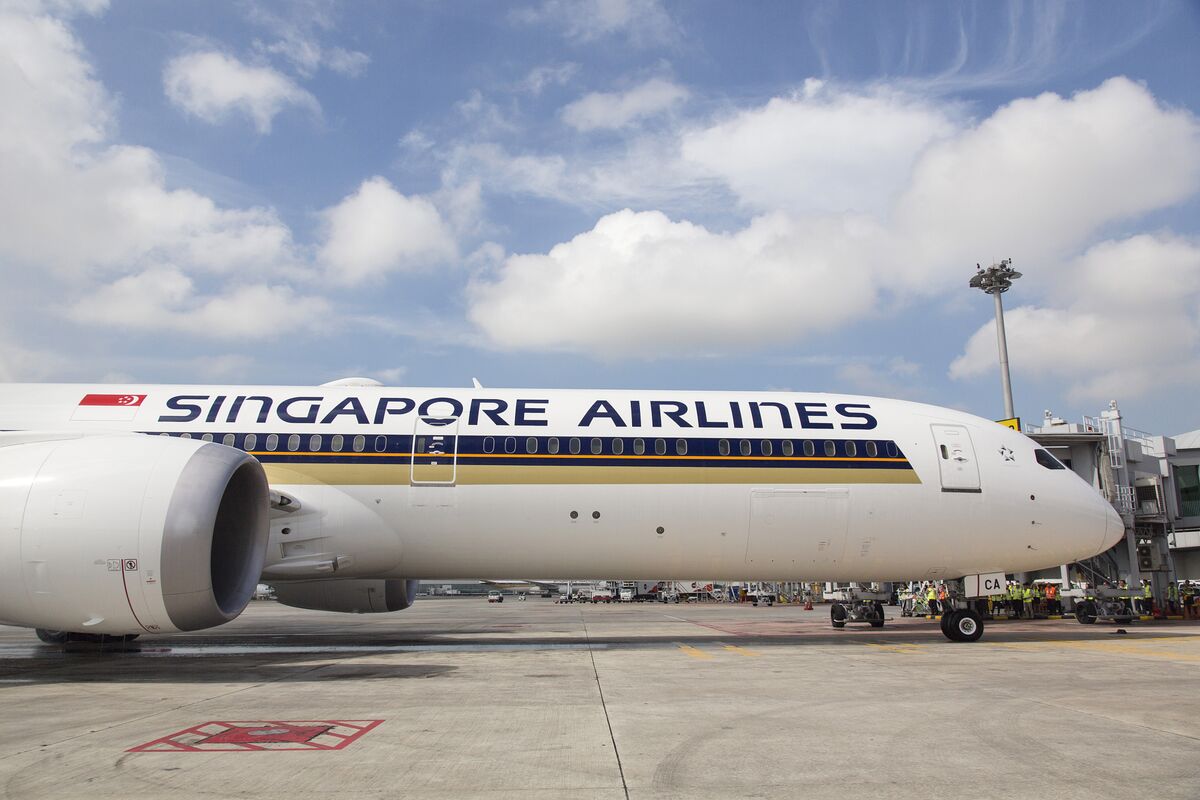
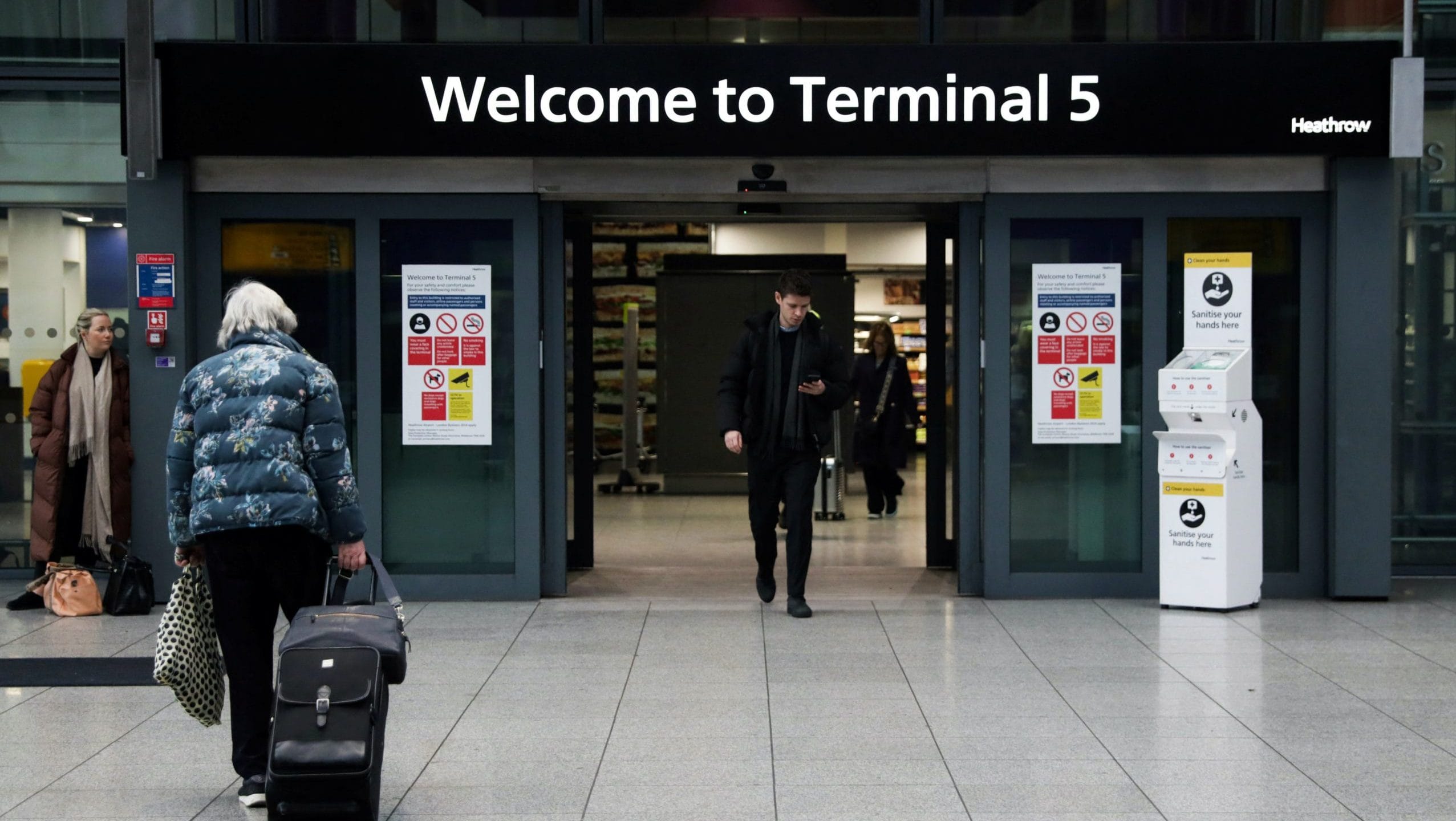
- Separately, on Tuesday, NATS experienced a technical issue causing flight disruptions at UK airports including Heathrow and Gatwick.
- Moscow has shown no signs of dropping its maximalist conditions to end the war, including a demand that Ukraine cede territory in the east that Russia's troops have not captured.
- Putin also told Trump that Russia had 'no aggressive plans' towards Europe.
- Ushakov emphasized that the myths about the Russian threat serve as a pretext for Europeans to ramp up support for Ukraine and their own military spending.
- NATS stated that the issue was in their flight processing system and that engineers were working urgently to resume normal operations.
- Heathrow reported that it was working with NATS to solve the problem, with about 100 flights cancelled and 367 delayed.
- EasyJet reported that the issue was causing delays across Europe.
Russian President Vladimir Putin and U.S. President Donald Trump engaged in an "extremely frank" phone call on Tuesday, following visits by U.S. envoys to Moscow. The discussions, lasting one hour, focused on the ongoing conflict in Ukraine but yielded no significant breakthroughs.123478
Kremlin aide Yuri Ushakov reported that during the call, Putin provided Trump with an "objective and detailed analysis" of the frontline situation in Ukraine. He also suggested what the U.S. could realistically do to help end the hostilities, although specifics were not disclosed.
Despite the dialogue, Moscow remains firm on its demands, including the cession of eastern territories by Ukraine, which have not been captured by Russian forces. Ushakov emphasized that Russia has "no aggressive plans" toward Europe, countering speculation about hostile intentions. He stated, "The myths being spread about the Russian threat serve as a pretext for Europeans to ramp up support for Ukraine and their own military spending."9
The ongoing war, now in its fourth year, is considered Europe’s bloodiest conflict since World War II, with no signs of resolution in sight. The call reflects the complex geopolitical landscape as both leaders navigate the tensions surrounding the Ukraine crisis.
“Kremlin aide Yuri Ushakov said Putin presented an 'objective and detailed analysis' of the frontline and pointed out what Americans could realistically do to end hostilities. Moscow still demands Ukraine cede eastern territory its troops have not captured, and Putin denied aggressive plans toward Europe.”