- Trump has placed a new condition on the signed US-Saudi nuclear deal, stating that Saudi Arabia must join the Abraham Accords and recognize Israel.
- The nuclear deal, described as a 'peaceful nuclear cooperation agreement', was signed on Wednesday and aims to provide great access for American companies in the Saudi nuclear energy program.
- Saudi Arabia has previously stated it would not recognize Israel without the establishment of a Palestinian state, complicating the new condition set by Trump.
- Trump's remarks have raised concerns about the future of the nuclear deal, as they throw the pact into doubt.
- Israeli officials have criticized the deal, and it is expected to draw scrutiny on Capitol Hill.
- Trump brokered the Abraham Accords in 2020, which normalized relations between Israel and two Arab nations, the UAE and Bahrain.
- Normalization with Israel has historically been a condition for U.S. nuclear cooperation with Riyadh, but recent events have complicated this.
- Saudi Arabia's response to the October 7, 2023, Hamas attack has made normalization 'untenable' for the Saudis, affecting negotiations.
Former President Donald Trump has introduced a new stipulation to the recently signed nuclear agreement with Saudi Arabia, asserting that the kingdom must join the Abraham Accords for the deal to proceed. This unexpected condition has raised significant concerns regarding the future of the pact.1
The nuclear deal, described as a "peaceful nuclear cooperation agreement", was signed by U.S. Energy Secretary Chris Wright and his Saudi counterpart, aiming to facilitate American companies' access to Saudi Arabia's nuclear energy program. However, Trump's insistence on Saudi Arabia's normalization of relations with Israel complicates the situation, as the kingdom has historically resisted such efforts without the establishment of a Palestinian state.2
Israeli officials have welcomed Trump's remarks, with Prime Minister Benjamin Netanyahu stating that Saudi Arabia's joining of the accords would be an "historic leap forward for peace in the Middle East". Yet, experts have criticized the deal, warning it could lead to nuclear proliferation in a region already fraught with instability. The agreement also lacks certain inspection protocols, raising further concerns about transparency and compliance.45
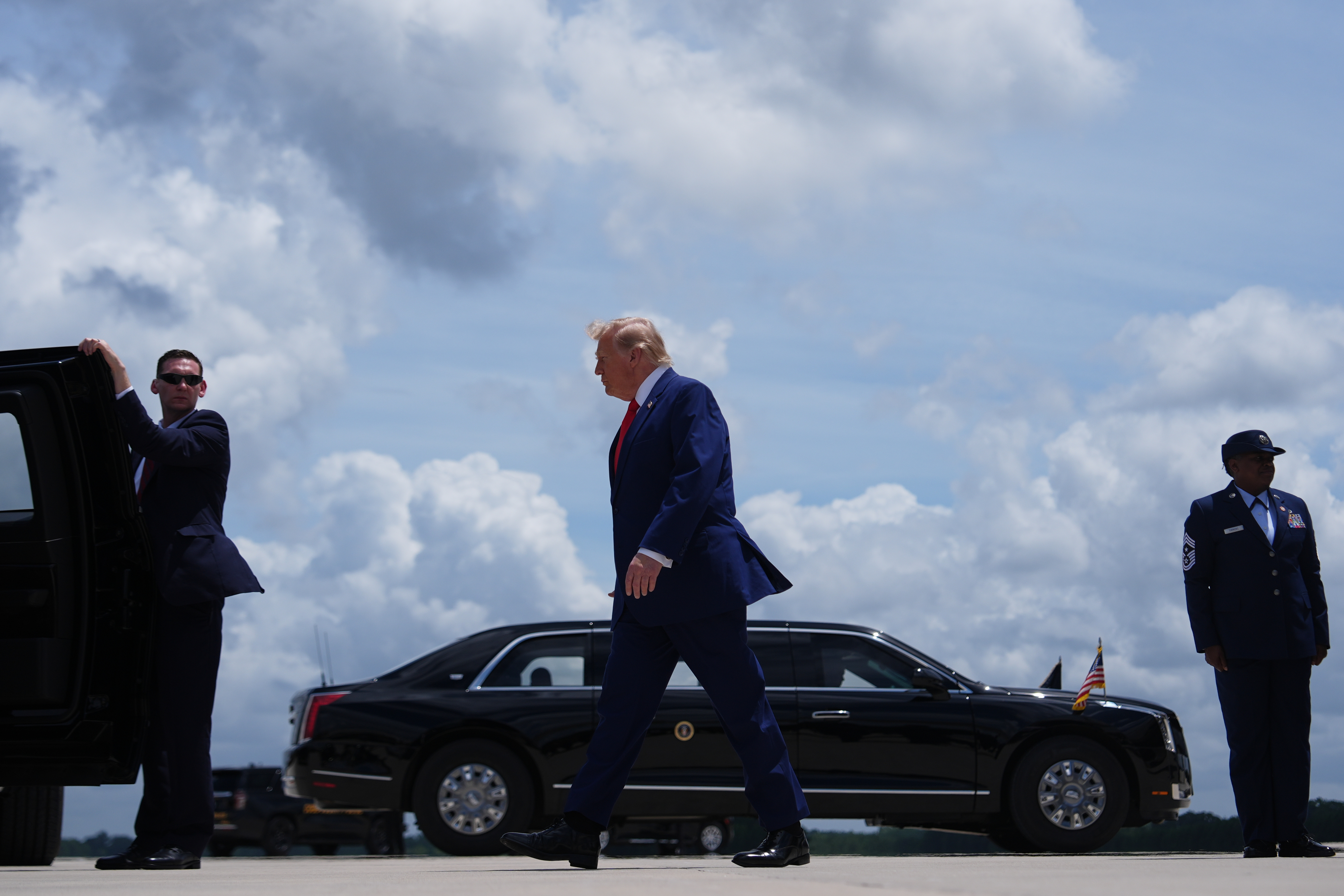
As diplomatic normalization between Saudi Arabia and Israel has become increasingly tenuous, the Biden administration's approach to the nuclear deal has shifted to a "less-for-less" strategy, complicating the path forward for both nations.
The future of the nuclear deal now hangs in the balance, as Trump's new condition may deter Saudi Arabia from pursuing the agreement, leaving both U.S. and regional officials in a state of uncertainty.
“Israeli Prime Minister Benjamin Netanyahu's office applauded the condition, calling Saudi Arabia's joining the Abraham Accords a 'historic leap forward for peace in the Middle East.' The civilian nuclear agreement, signed Wednesday, prohibits enrichment and exempts Saudi Arabia from standard IAEA inspection protocols, drawing criticism from nonproliferation experts.”


 BBC
BBC



