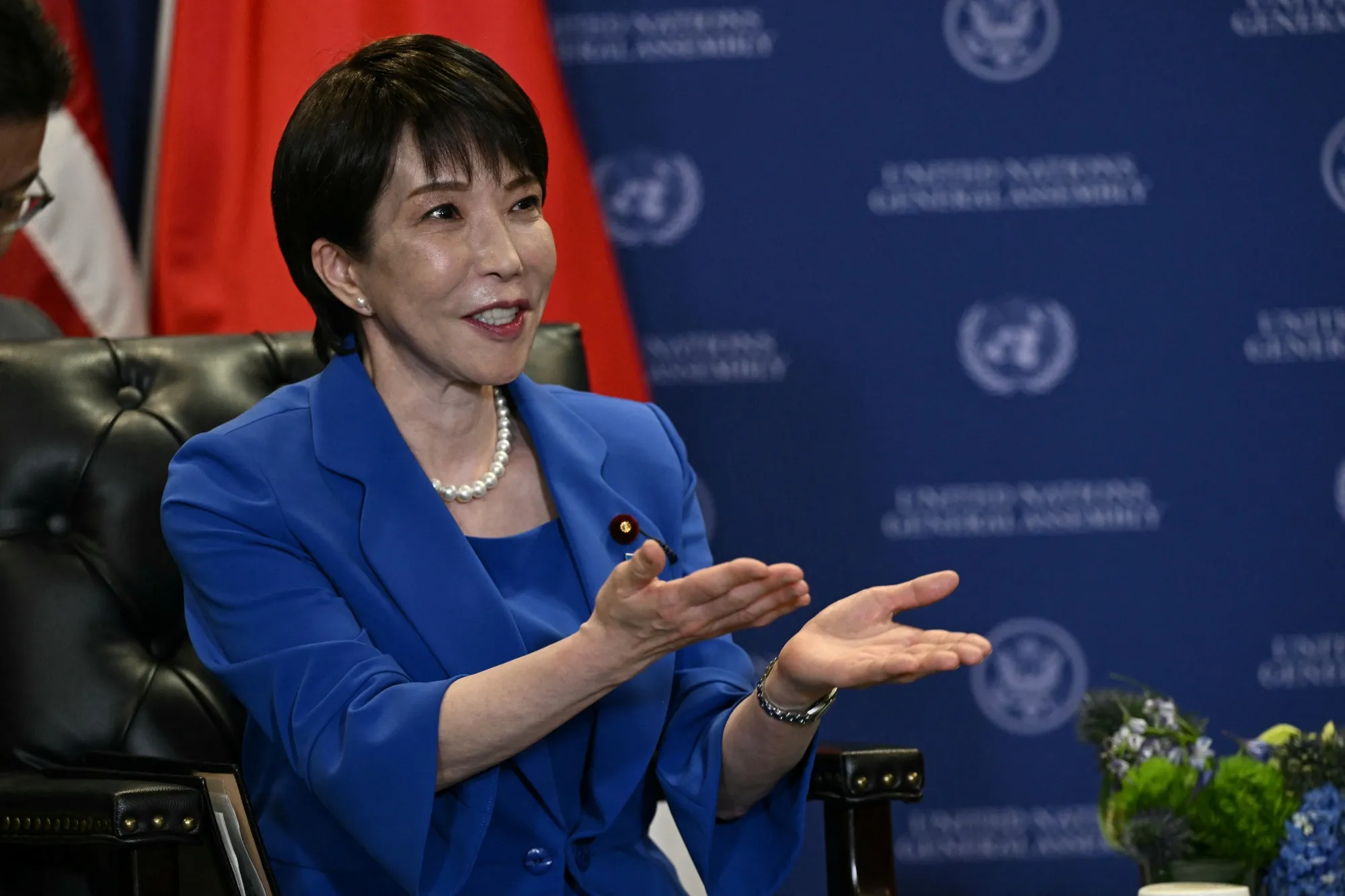
- Delcy Rodríguez, Venezuela's acting president, is attending the UN General Assembly, standing just a 20-minute cab ride from where her deposed predecessor Nicolás Maduro is in pre-trial detention.
- Upon arriving in the US, Rodríguez expressed her commitment to dialogue and unity, and met with key international leaders including UN Secretary-General António Guterres, IDB President Ilan Goldfajn, World Bank Group President Ajay Banga, and IMF Managing Director Kristalina Georgieva.
- Rodríguez's current stance contrasts with her 2019 UN address as Maduro's vice president, where she accused Washington of imposing a new form of state terrorism.
- The trip is part of relaunching diplomatic relations after Maduro's capture by elite American Delta Force soldiers on January 3, leading to reactivated consular relations with several countries.
- While Rodríguez was away, opposition figure Machado made three attempts to return to Venezuela but was refused entry.
- A Pentagon agreement with private energy company Nabep grants access to 65 billion barrels of oil from Venezuelan reserves.
- Brazil's president suggested that if he were in Rodríguez's position, he would call national elections, while also noting Trump's dominant role and that Venezuela’s sovereignty is over.
Delcy Rodríguez, Venezuela's acting president, is attempting to regain international legitimacy at the UN General Assembly, just a short distance from where Nicolás Maduro is detained. Her arrival in the U.S. was marked by a commitment to dialogue and unity among nations.123
Rodríguez's meetings with key figures, including UN Secretary-General António Guterres and IMF Managing Director Kristalina Georgieva, signal a strategic shift in Venezuela's foreign relations. This diplomatic push follows Maduro's capture by U.S. forces on January 3, which has prompted Venezuela to re-establish consular relations with several Latin American countries.
In a notable change from her previous confrontational stance, Rodríguez emphasized cooperation with the U.S., stating that she discussed strengthening bilateral relations with Trump during their meeting. This marks a departure from her past rhetoric, where she accused the U.S. of state terrorism.
Rodríguez's efforts reflect a broader strategy to regain legitimacy and navigate the complex political landscape following Maduro's downfall. As she seeks to unify support, the Venezuelan government faces ongoing challenges regarding its sovereignty and governance, with calls for national elections from regional leaders.910
The evolving situation highlights the precarious balance of power in Venezuela and the international community's role in shaping its future.
“Rodríguez met with UN Secretary-General António Guterres and heads of the IDB, World Bank, and IMF upon arrival. A Pentagon deal with Nabep grants access to 65 billion barrels of oil, while Brazil's president suggests calling elections, saying 'Venezuela's sovereignty is over.'”