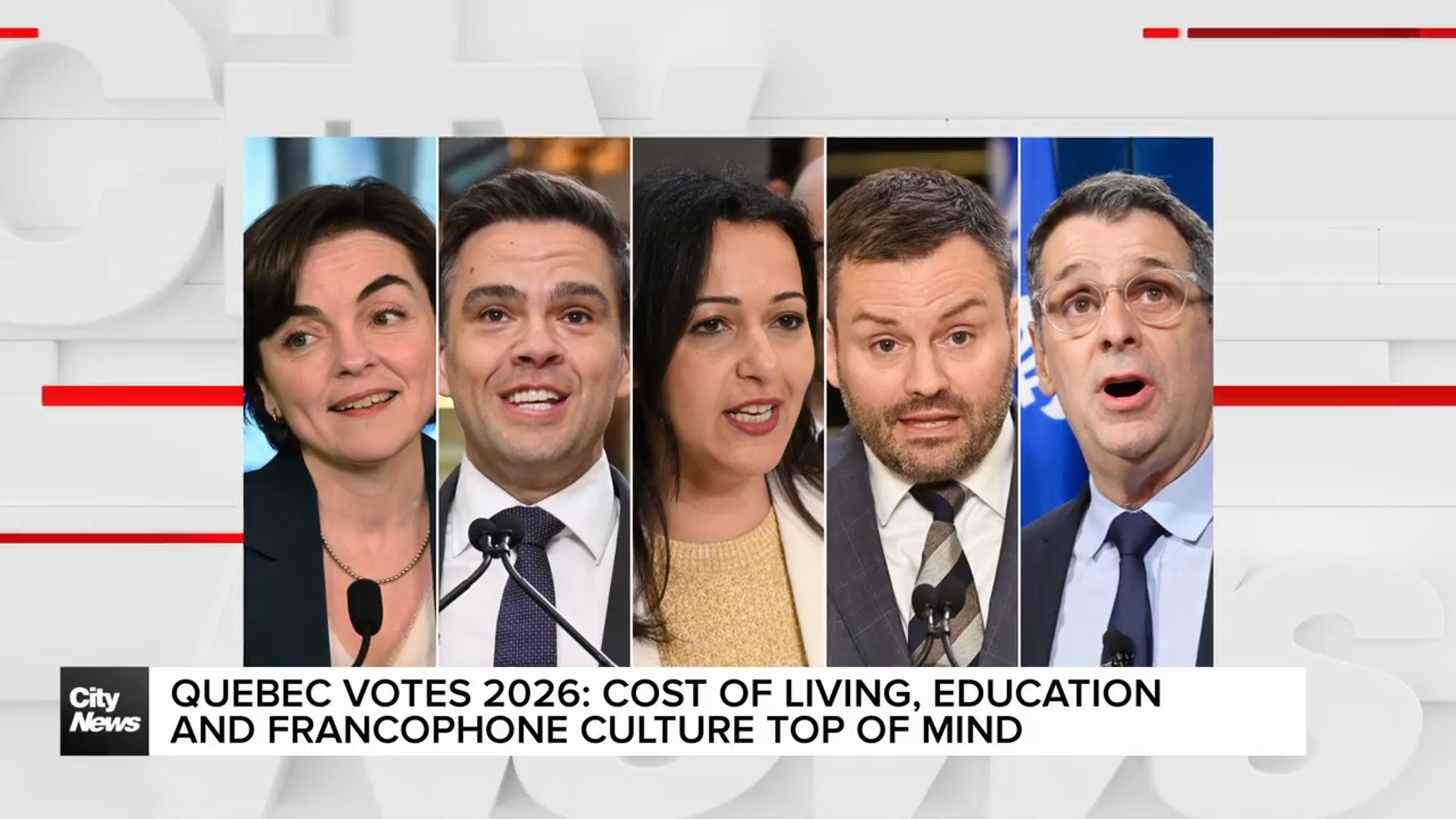
- Earlier this month, the PQ announced it would not hold a referendum while Trump was still in office, as polls suggested the electoral race was tightening.
- During her first news conference of the campaign, Frechette said, "I would tell you President Trump is my principal opponent," adding that he is "completely disturbing our trade links with the United States, our trade links and our economy."
- Frechette described the trade dispute as a storm and said the province's main economic partner has chosen confrontation and threatening the province's economy.
- Frechette emphasized that her team works for Quebec, not Ottawa: "Our team does not work for or against Ottawa, we work for Quebec."
- A Montreal resident, Suzanne Chenel, expressed concern about Trump, saying, "That is not reassuring at all. He is trying to manipulate us."
- Another resident stated, "We have to stand up for ourselves, and if we were attacked by the U.S. then we have to fight back."
- St-Pierre Plamondon argued that independent country status could help Quebec in trade negotiations: "That status of independent country can only help. We have seen several countries, some smaller than Quebec, doing very well with the United States in terms of diplomacy and making sure their interests are respected."
Quebec's political landscape is heavily influenced by U.S. President Donald Trump, as PQ leader Frechette identifies him as her ‘principal opponent’ during her campaign launch. She argues that Trump's actions are disturbing trade links and threatening the province's economy.
Frechette described the ongoing trade dispute as a storm, emphasizing that the U.S. has chosen a path of confrontation rather than cooperation. “Our team does not work for or against Ottawa, we work for Quebec,” she stated, highlighting her focus on provincial interests.
Public sentiment reflects concern, with residents like Suzanne Chenel expressing unease about Trump's influence, stating, “He is trying to manipulate us.” The PQ's stance is clear: “We have to stand up for ourselves, and if we were attacked by the U.S. then we have to fight back,” said a party member.
In a strategic move, the PQ has decided to delay any referendum on Quebec's independence until after Trump leaves office, as polls indicate a tightening electoral race. Frechette characterized Trump's threats as a serious threat, asserting, “I am not playing with anything. Trump tries to play with us with one threat after another. We need to adapt.”
This political maneuvering underscores the significant impact of U.S. politics on Quebec's local elections, as leaders navigate the complexities of trade and sovereignty amidst external pressures.
“Frechette described the trade dispute as a storm, saying the province's main economic partner has chosen confrontation. St-Pierre Plamondon argued that independent country status could help Quebec in trade negotiations, citing smaller countries that have done well diplomatically with the U.S.”