- Trump imposed a new 50% tariff on most Canadian goods, claiming they need us to survive and that Canada cannot survive without the US.
- Trump stated that the tariffs were not in response to Canadian wildfire smoke, despite previously criticizing Canada for the smoke affecting 109 million people.
- Prime Minister Carney spoke with President Trump and they agreed to intensify trade talks, while warning that Canada will 'look at all options' if tariffs go into effect on 19 August.
- Ontario Premier Doug Ford urged Canada not to back down, stating, 'We can't keep rolling over... we have to go full tilt.'
- Existing US tariffs include 15-50% on Canadian steel, aluminium, and copper; Canada retaliated with 25% counter-tariffs on American steel, aluminium, vehicles and removed US alcohol from shelves.
- Pollster David Coletto indicated that most Canadians cannot trust the Trump administration and feel 'deep anger', with most not wanting Mark Carney to cave.
- Mahmood Nanji of Ivey Business School described the tariffs as a strong-arm tactic to pressure Canada, stating 'He's using all tricks in the bag to get leverage'.
- Nanji noted that Canada faces difficult decisions, possibly conceding on some issues to secure long-term certainty, while Coletto remarked that the public is now more resistant to US pressure than a year ago.
- Trade expert Lawrence Herman advised that concessions would harm national pride and standing.
President Trump has announced a sweeping 50% tariff on a range of Canadian goods, claiming that Canada needs the U.S. to survive. This decision, effective in 30 days, has escalated tensions between the two nations, with Canadian Prime Minister Justin Trudeau stating that the country is united against such threats.126
The tariffs will impact various products, including wine, hockey sticks, and cement, and are seen as a response to what the U.S. describes as 'unequal treatment' of American goods. Trump emphasized that Canada has been 'very, very tough' on the U.S. over the years, and he believes they cannot survive without American support.
In response, Canadian officials, including Mark Carney, have agreed to intensify negotiations, while Ontario Premier Doug Ford urged a strong stance against U.S. pressure, stating, 'We can't keep rolling over'. Trade expert Lawrence Herman warned that making concessions could harm Canada's national pride and international standing.7101116
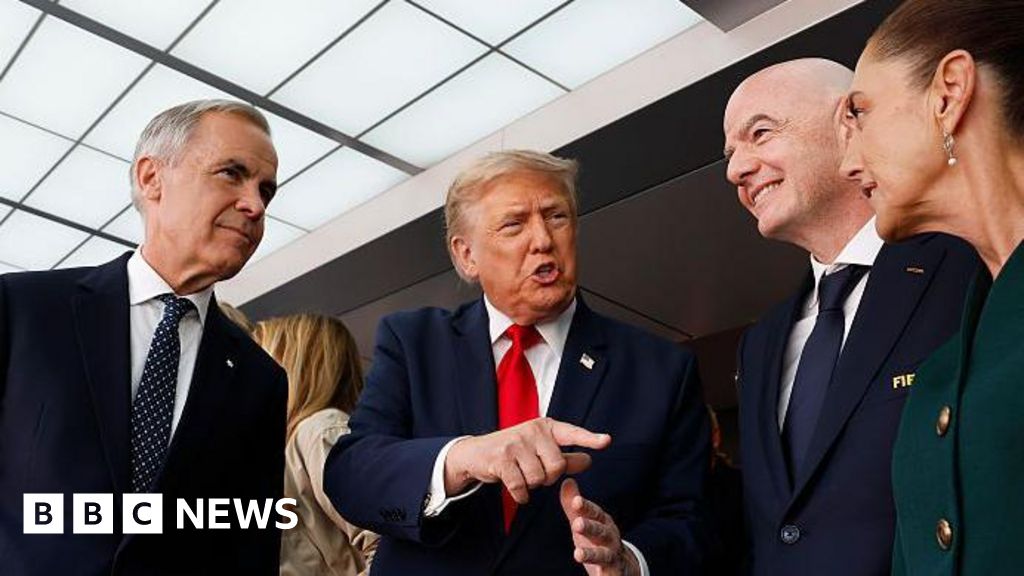
As the deadline approaches, Canada faces difficult decisions on how to respond, with public sentiment largely resistant to U.S. demands, indicating a potential shift in the political landscape.
Pollster Coletto noted that Canadians are more united against U.S. trade tactics than they were a year ago, suggesting that the Trudeau government has some political runway to navigate these challenges.
“The new tariffs are set to take effect on 19 August; Trump denied they were retaliation for Canadian wildfire smoke that affected 109 million people. Ontario Premier Doug Ford urged Canada not to back down, saying 'We have to go full tilt,' while a pollster noted 'deep anger' among Canadians who do not want Carney to cave.”



 The Guardian
 BBC
BBC



