- Trump told top administration envoys to halt their conversations with Iran, according to a US official.
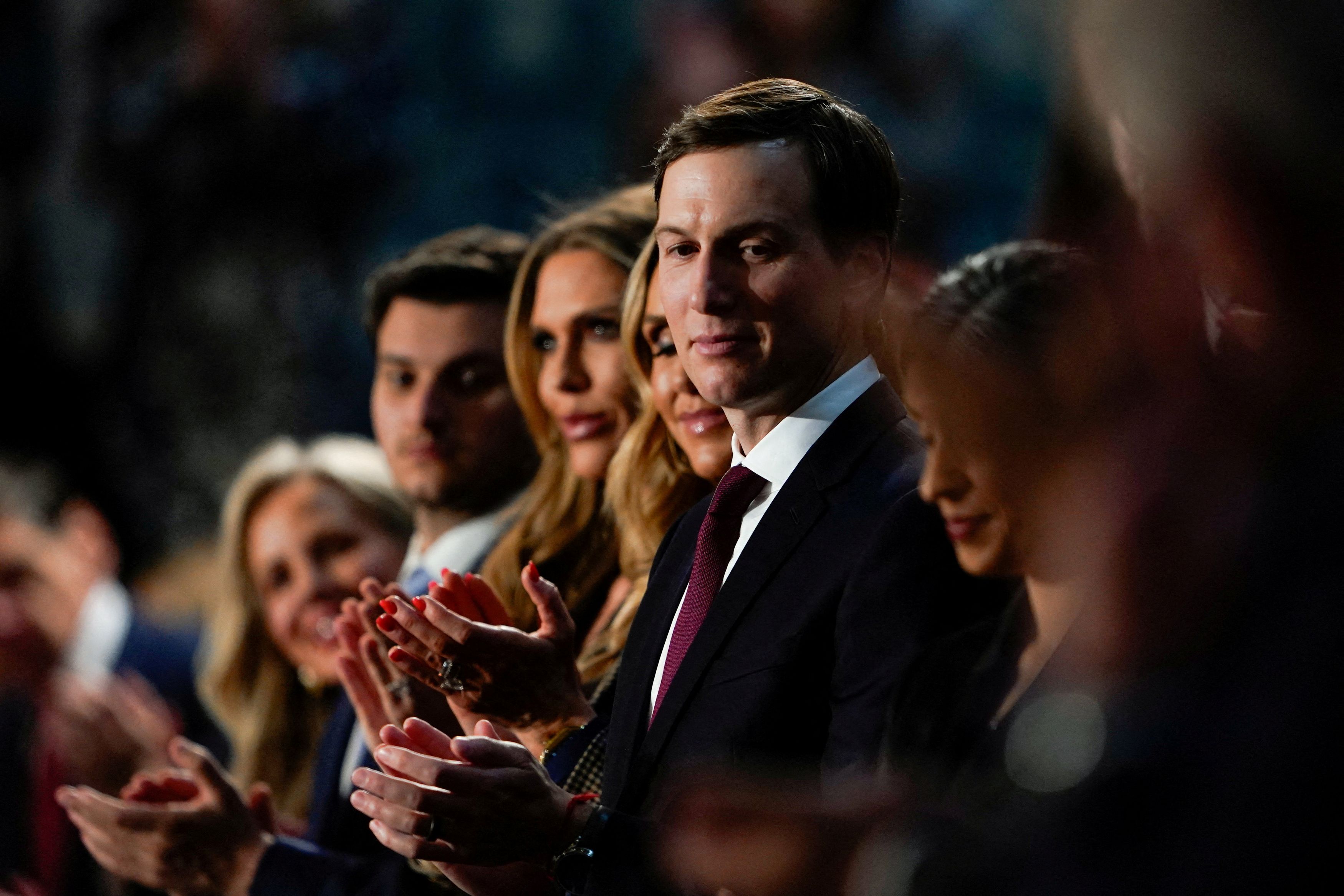
- Officials said Tuesday that Trump's instruction to his negotiating team, which includes Vice President JD Vance and envoys Steve Witkoff and Jared Kushner, to not engage with Tehran came after some 'positive discussions' with the country.
- White House officials have recently communicated to political allies that they are shifting their strategy from 'hammer Iran ASAP' to 'strangle them' over time, according to a source familiar with the matter.
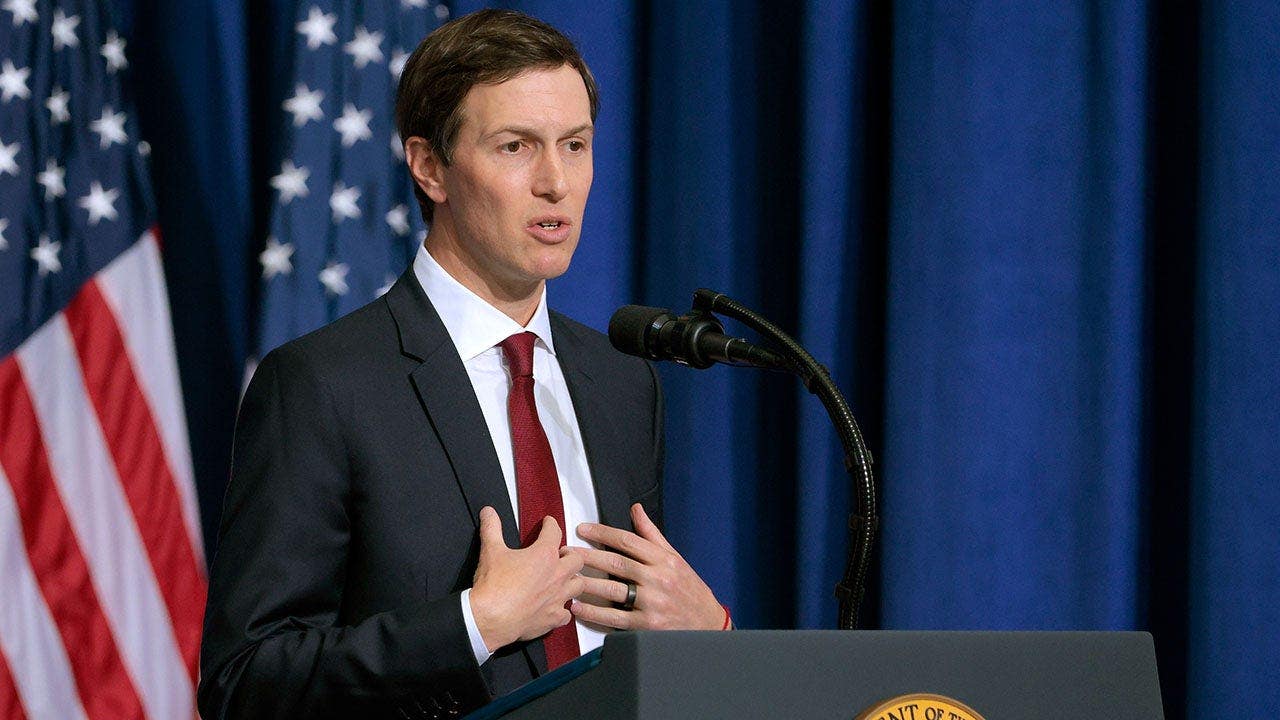
- A day before Trump's social media post, Kushner offered a more optimistic assessment of the negotiations during a trip to the Middle East.
- Iran officials have repeatedly declared it untrue that they are engaging in direct talks with the United States.
- Traffic through the Strait of Hormuz, and ships transiting the key waterway continue to come under fire from Iranian projectiles.
- There are concerns inside the White House that the plan, which hasn't been finalized, could harden Iran's control over the waterway.
President Trump has instructed his negotiating team, including Vice President JD Vance, to halt discussions with Iran after what were described as 'positive discussions.'125
Trump emphasized on social media that there are no ongoing talks with Iran, stating, 'There are no talks or conversations going on, or scheduled, with the Islamic Republic of Iran.'
This shift in strategy comes as White House officials have indicated a move from an immediate approach to a more gradual tactic, described as 'strangle them' over time.3
A day prior to Trump's announcement, Jared Kushner had expressed optimism regarding the negotiations during a trip to the Middle East, highlighting a stark contrast in messaging.4
Meanwhile, Iranian officials have denied any direct engagement with the U.S., complicating the diplomatic landscape.
Concerns are rising within the White House that this new strategy could inadvertently strengthen Iran's grip on the strategically vital Strait of Hormuz, where shipping traffic has already faced threats from Iranian projectiles.67
As tensions escalate, the future of U.S.-Iran relations remains uncertain, with the administration's latest approach signaling a significant shift in policy.
“Traffic through the Strait of Hormuz continues to face threats from Iranian projectiles, raising concerns about Iran's control over this key waterway. Meanwhile, Iran officials deny engaging in direct talks with the United States, complicating the diplomatic landscape.”