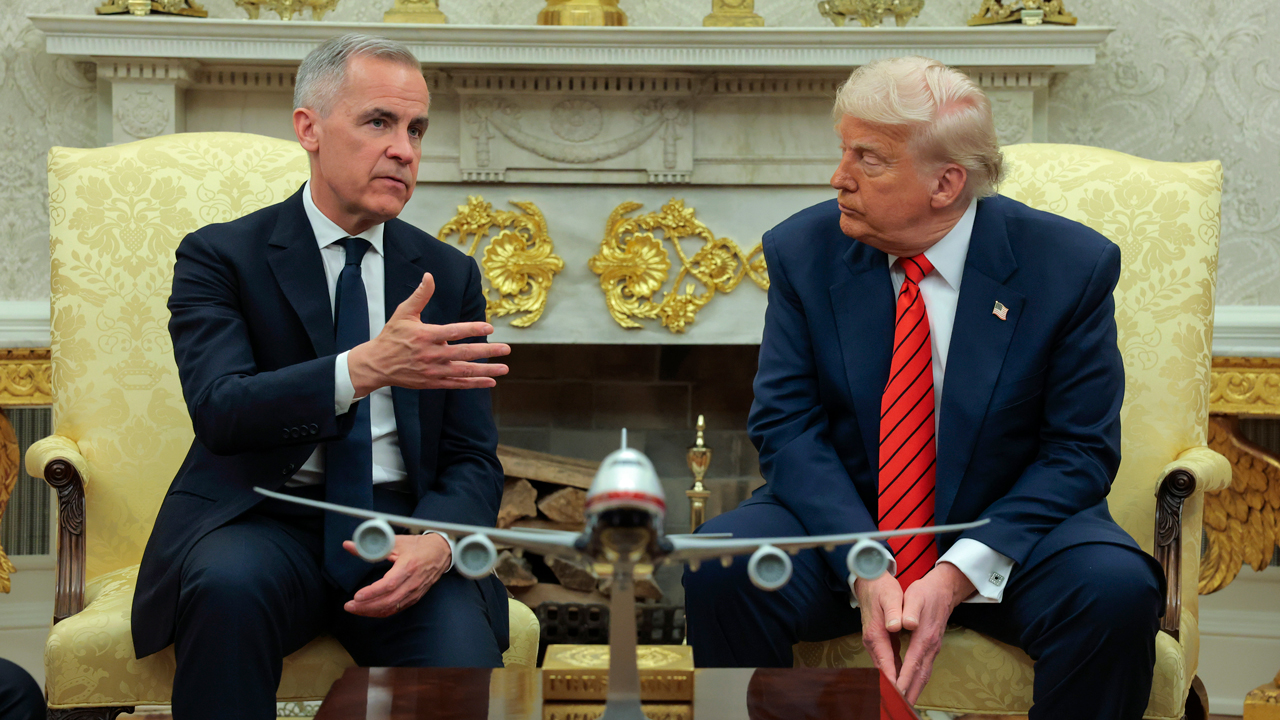
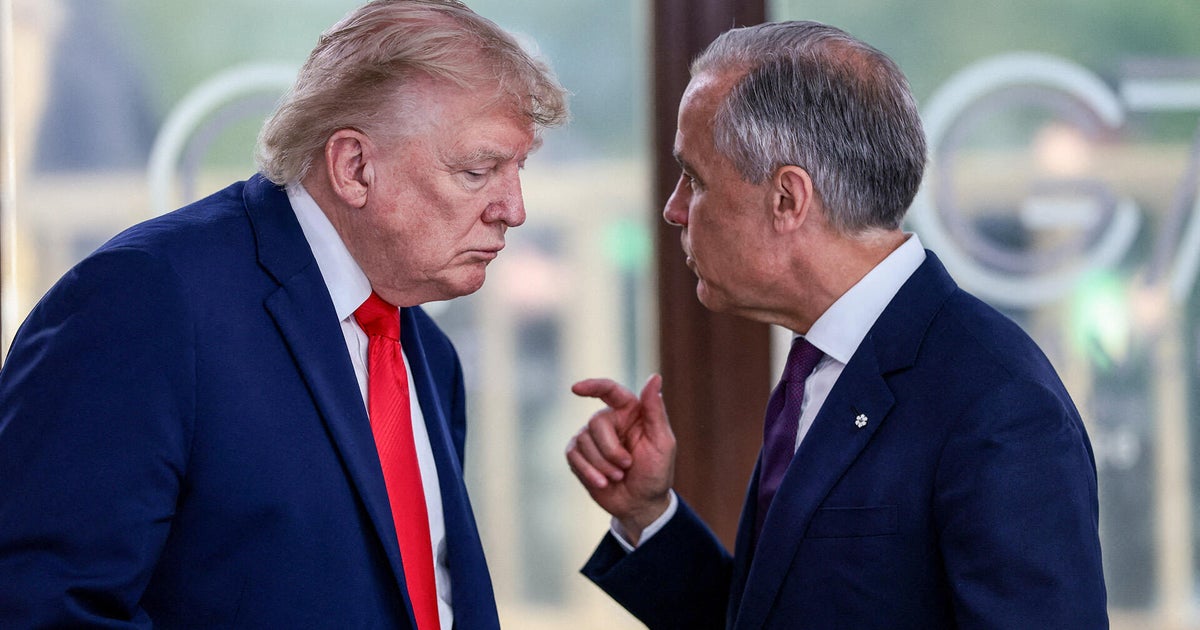
- President Donald Trump moved Tuesday to sharply escalate the trade war with Canada, seeking to block imports of some motorcycles, dairy products, and alcohol.
- The ban on importing Canadian alcohol will take effect on Sept. 29 and comes after Canada imposed retaliatory duties on $20 billion in U.S. imports.
- Trump also modified existing tariffs, removing levies on cement, road salt, and hospital products, while imposing 50% levies on ATVs, boats, and cheeses.
- Senior Trump administration officials stated that the move was a direct response to Canada’s latest retaliatory tariffs, which took effect on the same day.
- On Aug. 21, Canada-U.S. trade talks collapsed, leading to escalating tensions between the two countries.
- On Aug. 22, the U.S. imposed 50% tariffs on about 5% of Canadian imports, citing unfair treatment of American industries.
- On Monday, Canada’s latest retaliatory duties took effect, impacting $20 billion in U.S. imports, including steel and dairy.
President Donald Trump has intensified the trade conflict with Canada by announcing a ban on imports of certain motorcycles, dairy products, and alcoholic beverages, effective September 29. This decision is a direct response to Canada’s retaliatory tariffs on U.S. goods, which began earlier on the same day.126
The White House stated that the ban includes various dairy products, including whey, and types of molasses, alongside motorcycles and mopeds. “I’ve got two countries in the world that have retaliated against the United States for trade measures: the People’s Republic of China and Canada,” said U.S. Trade Representative Jamieson Greer in August, highlighting the ongoing tensions.
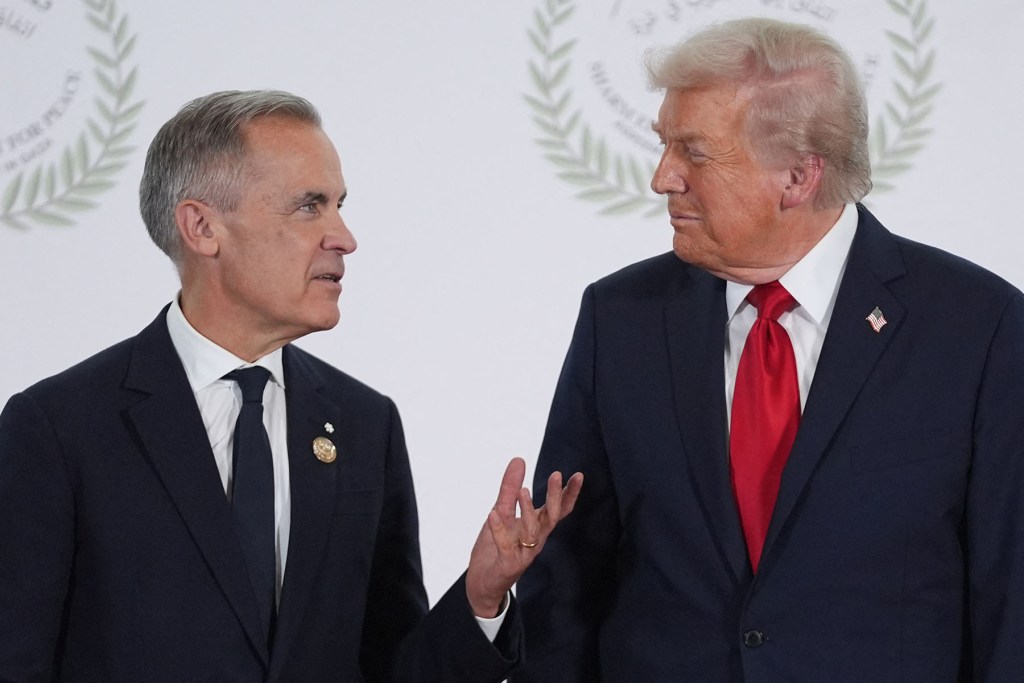
In a strategic shift, Trump also lifted tariffs on cement and road salt while imposing new duties on all-terrain vehicles and cheeses. The measures were enacted under Section 338 of the Tariff Act of 1930, indicating a legal framework for the trade actions.
Canadian Prime Minister Mark Carney responded to the escalating situation, asserting that Canada would not be held hostage by U.S. tariffs. “It’s about ensuring that no country can hold us hostage,” he stated, emphasizing the need for Canada to diversify its trade relationships. More than 70% of Canadian exports still go to the U.S., underscoring the significance of this trade war.
The U.S. tariffs affect hundreds of products, including steel and aluminum, at rates of 15%, 25%, or 50%, covering about $20 billion in American goods, which is roughly 6% of the $333.6 billion the U.S. exported to Canada last year.349
“The ban, signed under Section 338 of the Tariff Act of 1930, also removes tariffs on cement and road salt while adding 50% levies on ATVs and cheeses. Canadian PM Mark Carney, with approval topping 70%, vows to diversify trade, noting over 70% of exports still go to the U.S.”


 WSJ
WSJ AP News