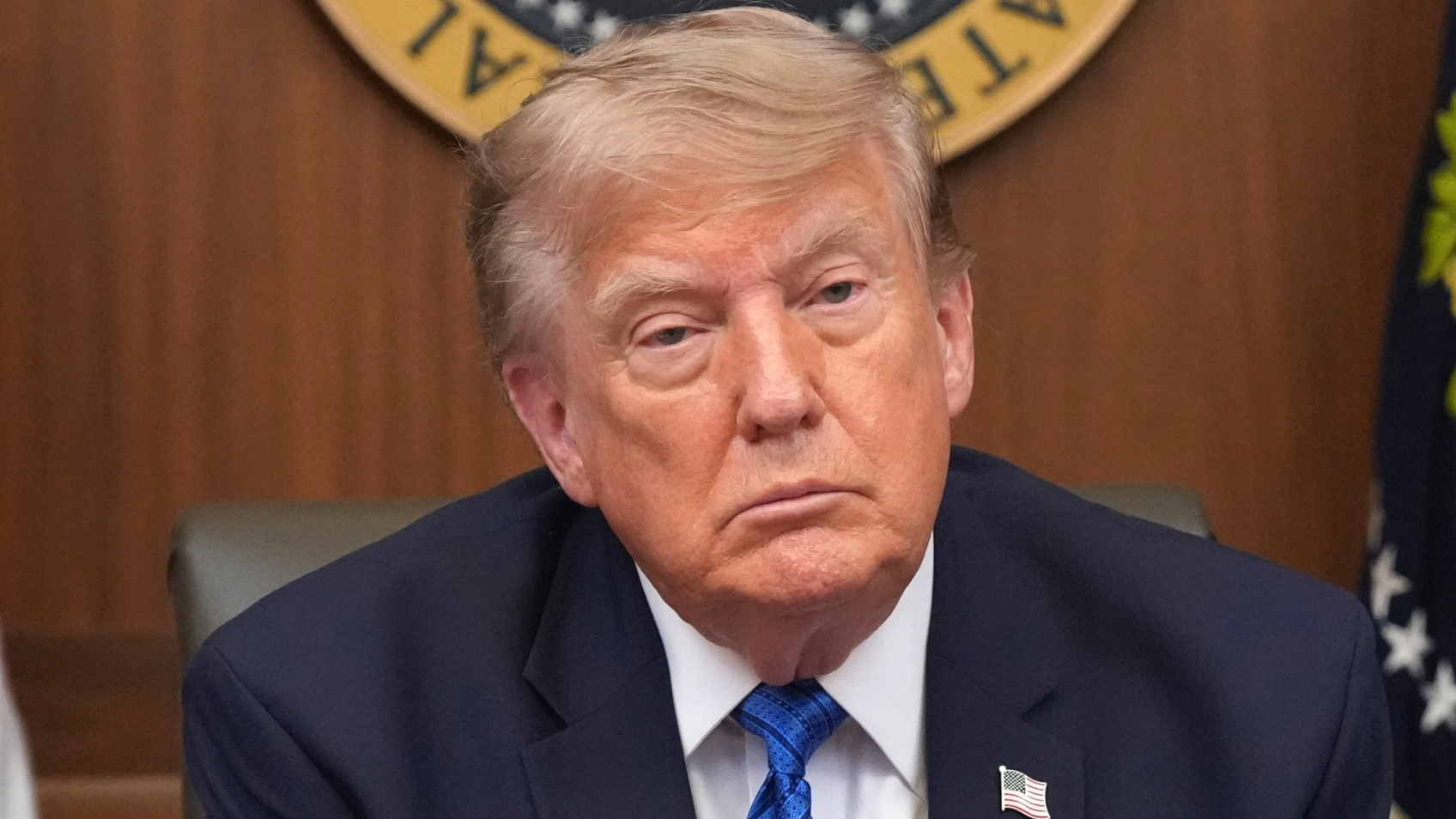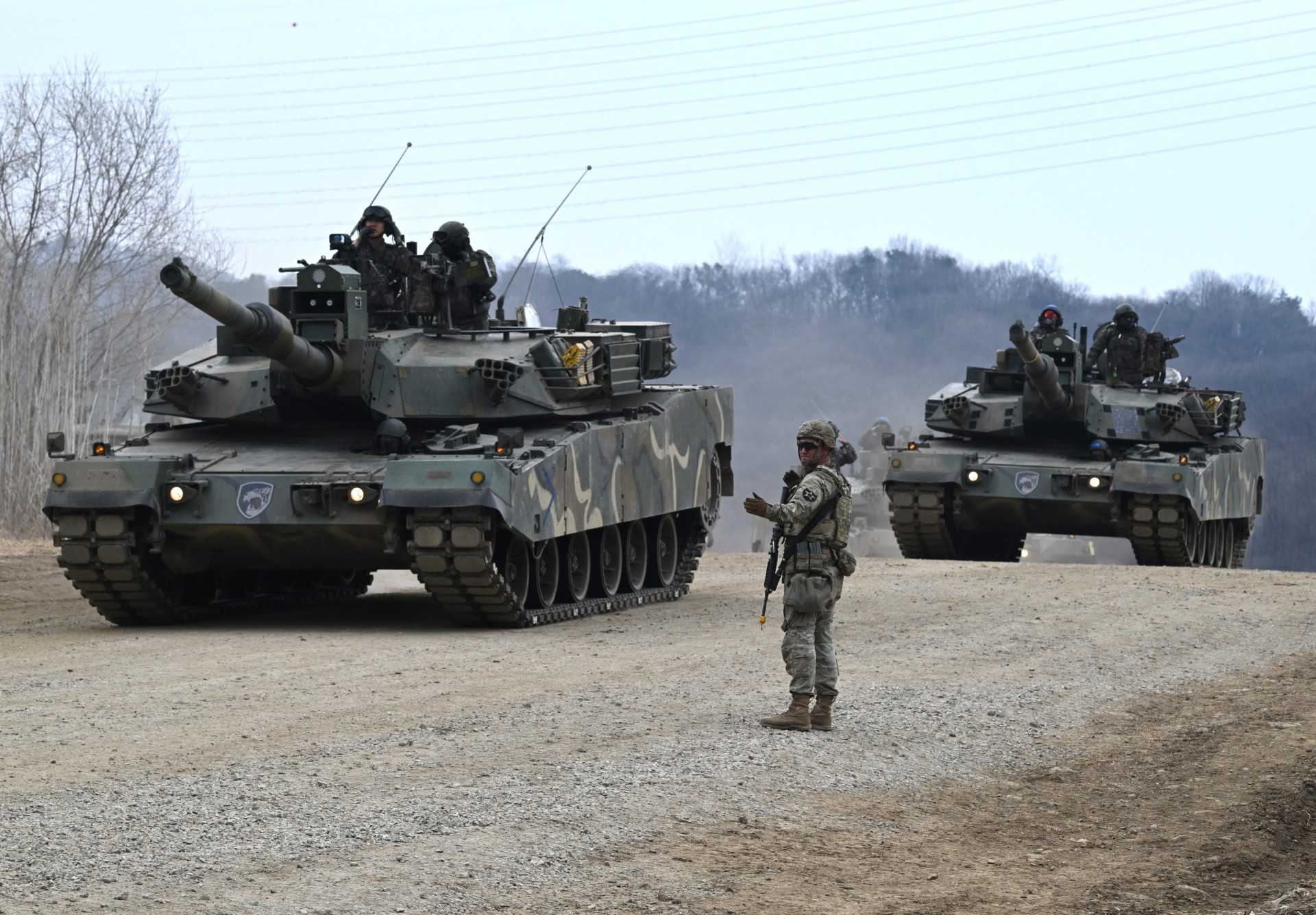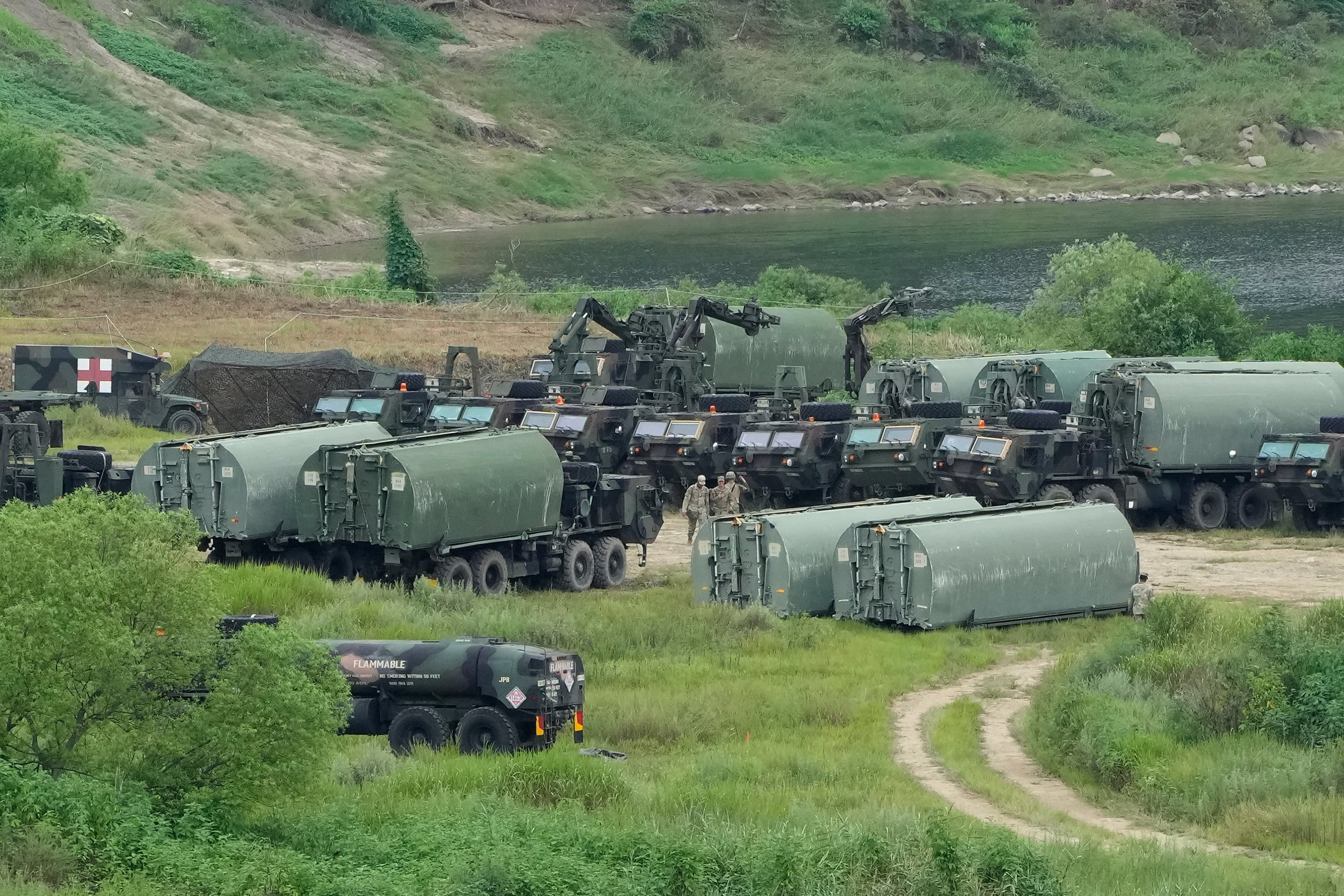
- Trump's decision to scale back military drills threatens to undermine the South Koreans and Japanese, unnerves NATO, and emboldens the Chinese and North Koreans, according to experts.
- There is uncertainty about which parts of the training are being scaled back, leading to confusion in South Korea, a nation closely allied with the US.
- Trump is punishing an ally while encouraging an adversary, according to Russel, a scholar at the Asia Society Policy Institute.
- Scaling back the exercises potentially undermines the message that the United States is committed to protecting South Korea, as stated by Kroenig from the Atlantic Council.
- Representative Greg Meeks stated that treating one of America’s closest allies like an adversary weakens alliances and benefits China and North Korea.
- Experts warn that if military exercises are reduced, it could lead to taking apart the alliance system that has been effective since World War II.
Trump's recent decision to scale back military exercises with South Korea has raised alarms among experts and lawmakers. They argue that this move could undermine U.S. alliances in Asia and embolden adversaries such as China and North Korea.
"The decision threatens to undermine the South Koreans and Japanese, unnerve NATO and embolden the Chinese and North Koreans," one expert stated.12
Dan Fried, a former assistant secretary of state, criticized the decision, saying, "There is no American interest that I can see in this. On all levels it makes no sense." He emphasized that it frightens Taiwan and unnerves NATO.
Russel, a scholar at the Asia Society Policy Institute, remarked, "Trump is punishing an ally while encouraging an adversary. He is protecting Kim Jong-un’s sensitive feelings from an unfriendly signal at the expense of US-South Korean security."4
Matthew Kroenig from the Atlantic Council noted that the U.S. has worked hard to assure South Korea of its protection, and scaling back exercises could undermine that message.
The specifics of the scaled-back training remain unclear, leading to confusion in South Korea, where national security is paramount due to threats from North Korea.
Representative Greg Meeks expressed concern, stating, "Treating one of America’s closest allies like an adversary weakens our alliances and benefits China and North Korea."6
Herbst from the Atlantic Council warned that if such actions continue, it could dismantle the alliance system that has been crucial since World War II.
“Experts warn that Trump's scaling back of military drills could undermine U.S. commitments to South Korea, potentially emboldening North Korea and China. Representative Greg Meeks stated that treating a close ally like an adversary weakens alliances and benefits adversaries, raising concerns about the future of U.S. foreign policy.”

 South China Morning Post