- President Donald Trump's envoys told Ukrainian officials that a deal allowing Russian diesel exports is part of a bid to draw Russia back to negotiations after previous efforts to launch sustained talks to end the war failed.
- In a Miami meeting, Steve Witkoff and Jared Kushner told the Ukrainians that Vladimir Putin was not prepared to negotiate an end to the war and that the announced deal could help restart trilateral talks.
- The US relayed that the diesel deal could help "soften" Moscow's position because it "sends a signal that Trump is open to do things" with Russia.
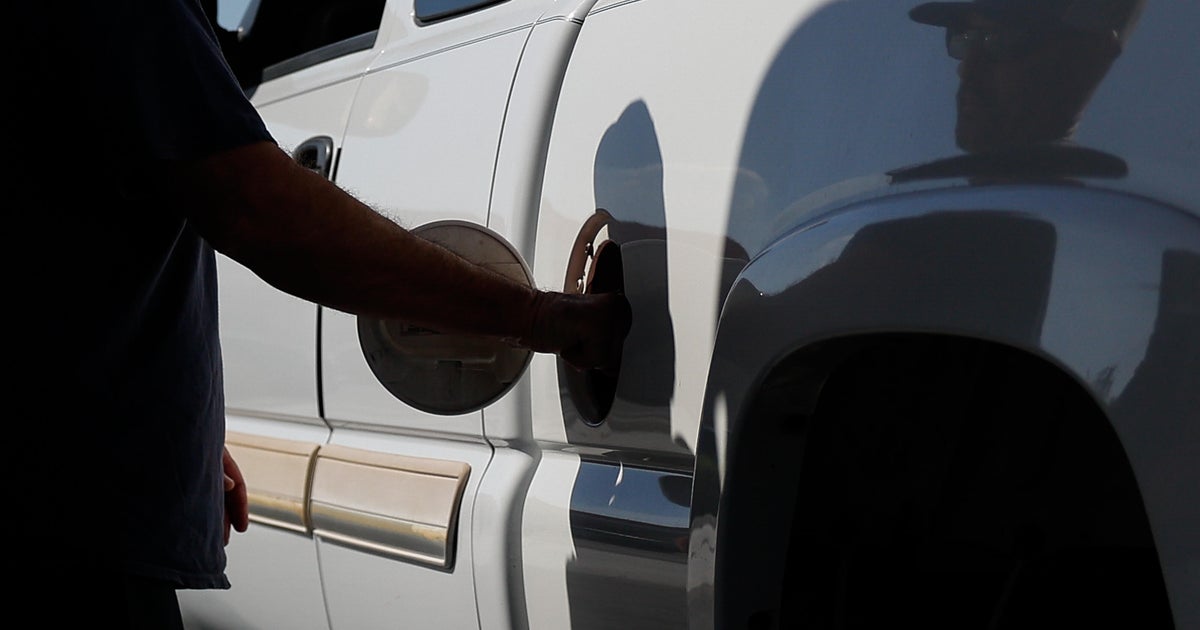
- The deal, under which Russia will supply more than 2.25 million barrels of diesel to US and global markets, has triggered a backlash from some US lawmakers who say it will give Moscow cash to pursue its war without forcing Putin to make concessions.
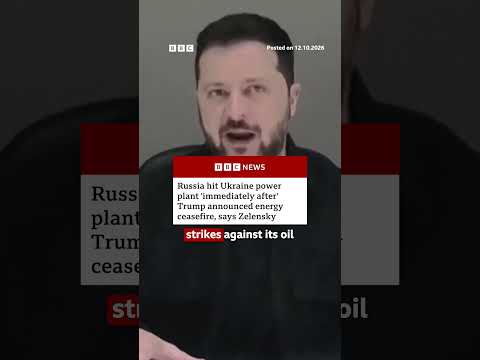
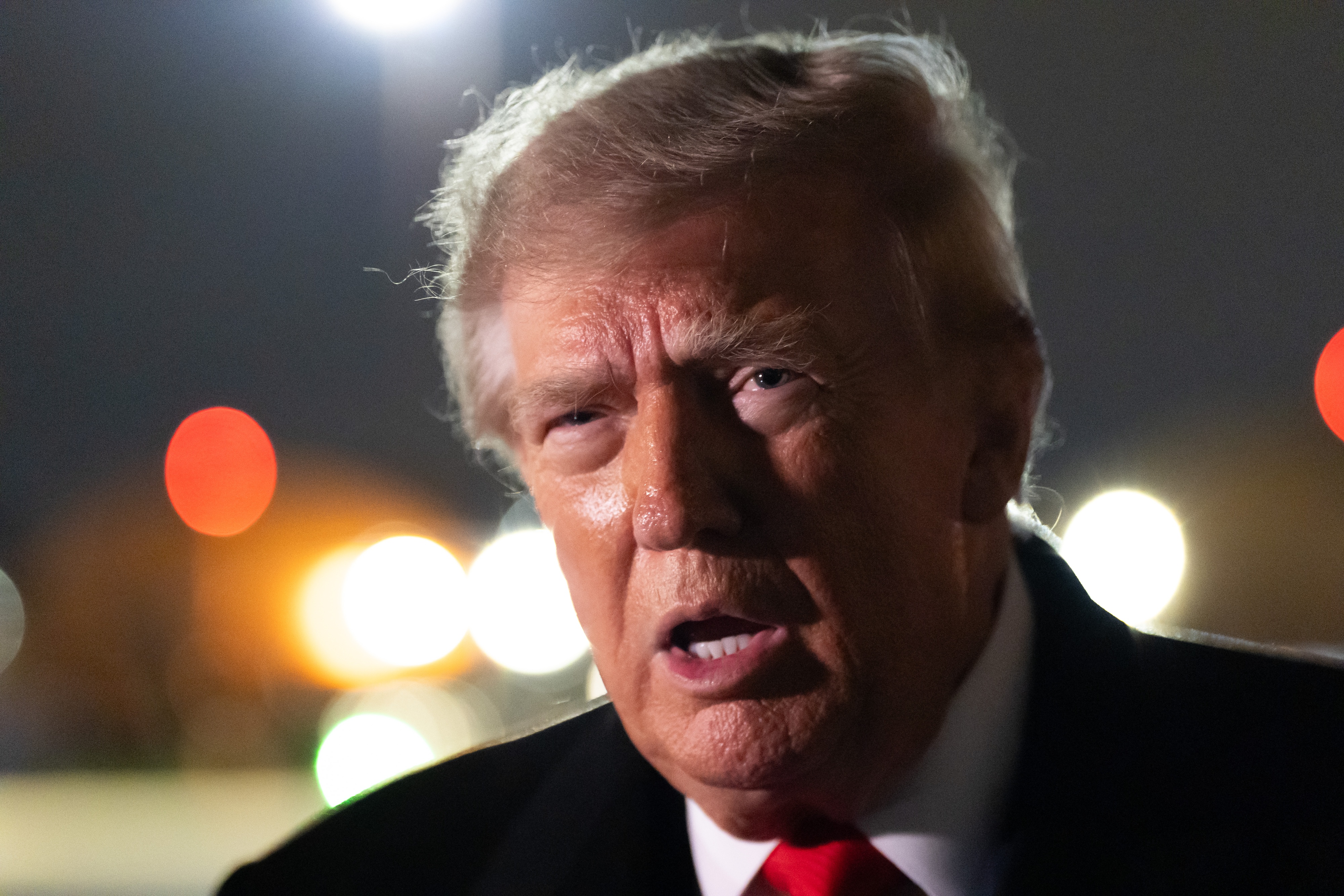
- Trump announced an energy ceasefire between Russia and Ukraine days after unveiling the diesel deal, but the warring sides have not confirmed it and Russia struck energy targets inside Ukraine on Monday.
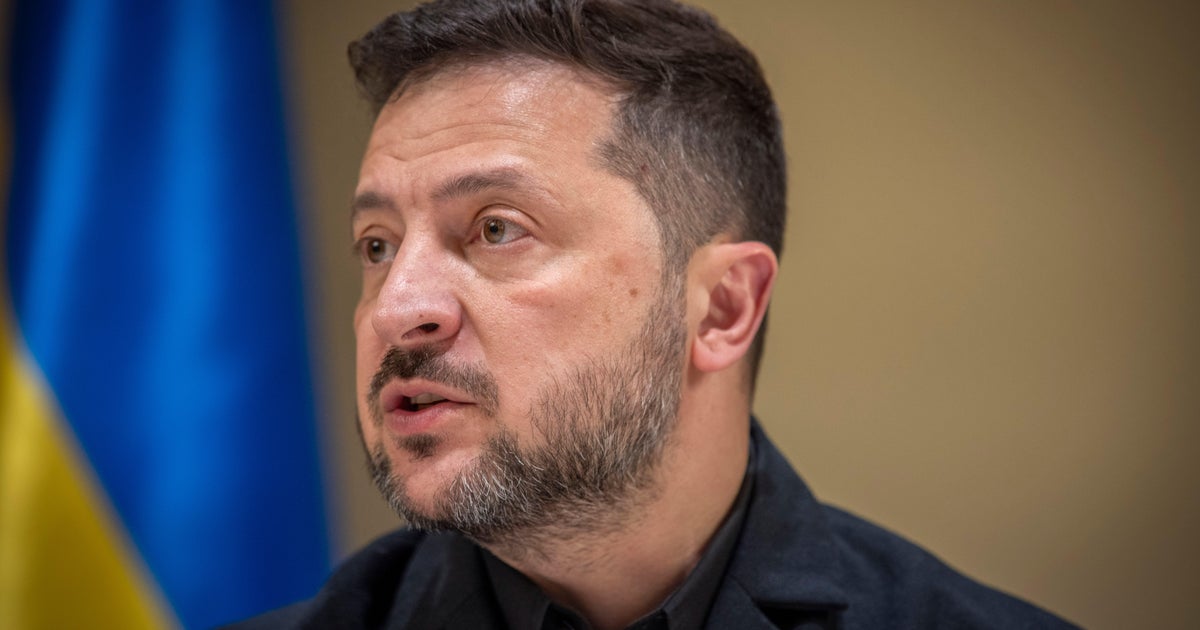
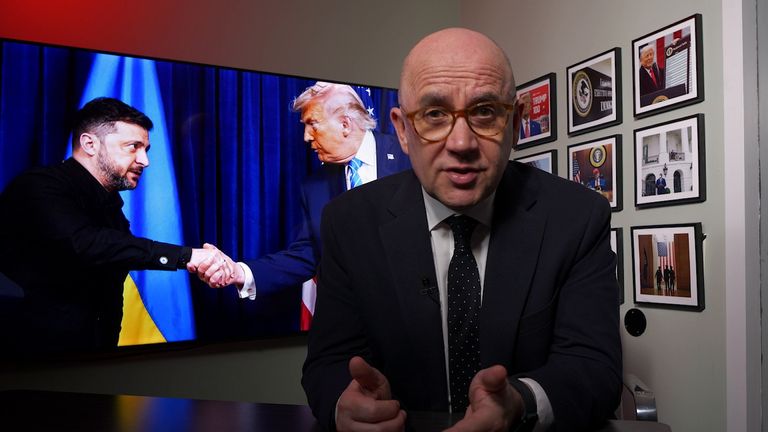
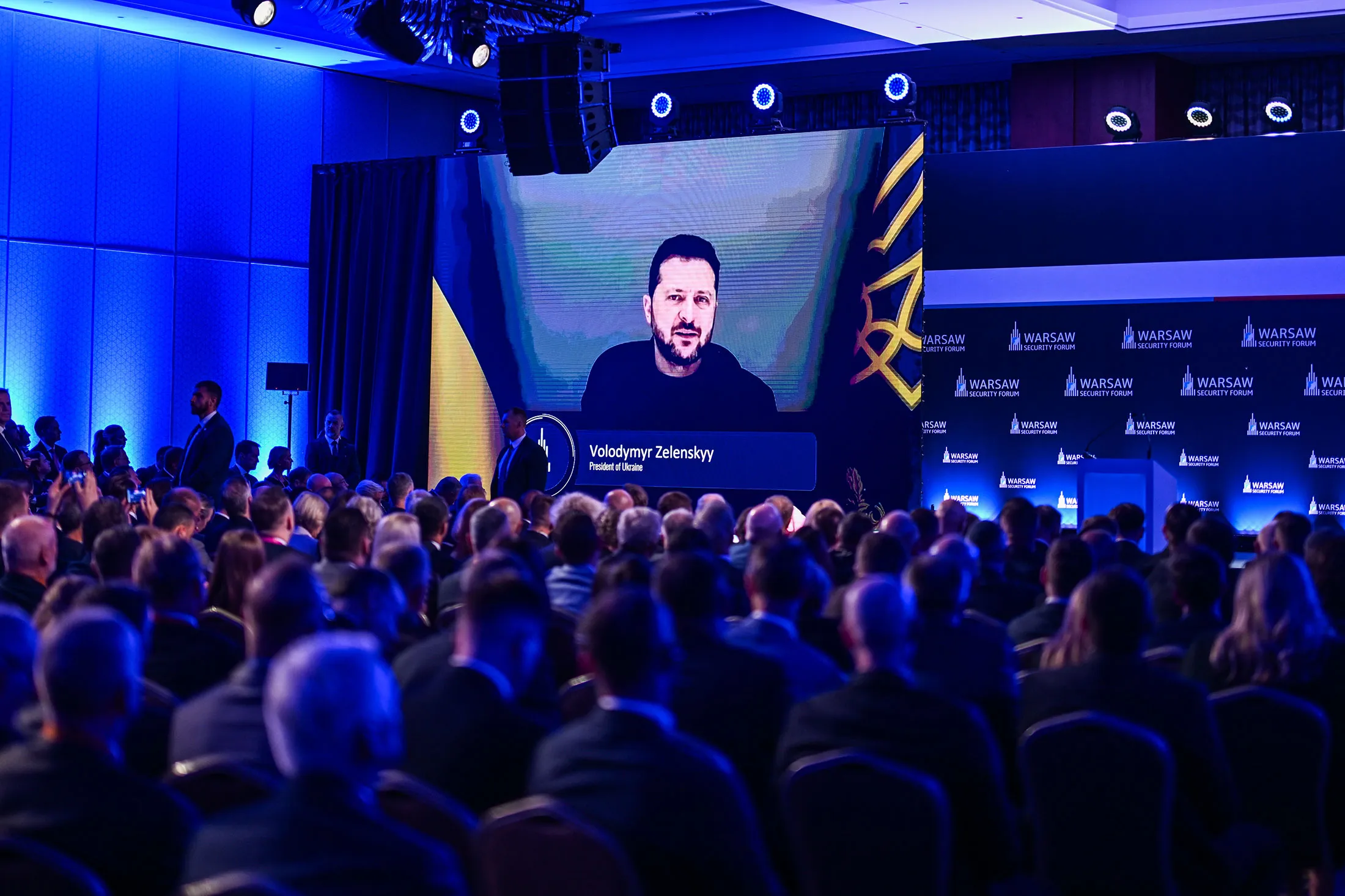
- Ukrainian officials were skeptical of the US approach, seeing it as using business deals to appease Russia, and tensions spiked after the diesel deal announcement, with Zelenskiy calling it a "weak decision" and a "gift to Putin."
- Trump also wanted the Ukrainians to stop striking Russian refineries, and the US could go back to Russia and say "See, the Ukrainians stopped striking and we gave you this deal. Now it's your turn to do something."
- The person close to the Kremlin said Putin will only return to the table when "he gets the remaining 11% of Donbas, which he can present domestically as victory."
President Trump's envoys recently met with Ukrainian officials to discuss a controversial diesel deal with Russia, which they believe could help revive stalled peace negotiations. The deal allows Russia to export over 2.25 million barrels of diesel to global markets, a move that has sparked significant backlash.78
Ukrainian President Zelenskiy condemned the agreement as a "gift to Putin" and a "weak decision" by the US, expressing skepticism about the effectiveness of using business deals to appease Russia. The US officials, including Steve Witkoff and Jared Kushner, argued that the deal could "soften" Moscow's position and encourage negotiations, despite the Kremlin's insistence that President Putin will only negotiate after securing more territory in Donbas.3456111213
The meeting in Miami, attended by European officials and World Bank representatives, followed previous visits to Moscow and Kyiv. The US aims to leverage the diesel deal to persuade Ukraine to halt strikes on Russian refineries, suggesting that this could prompt Russia to reciprocate with concessions. However, tensions have escalated between the US and Ukraine since the announcement, with some US lawmakers warning that the deal could finance Russia's war efforts without compelling any meaningful concessions from Putin.
As the conflict continues, Ukraine remains firm in its stance against territorial concessions, indicating that a frozen conflict could serve as a basis for future peace talks.
“The deal will supply more than 2.25 million barrels of Russian diesel to US and global markets, prompting US lawmakers to warn it gives Moscow cash to pursue its war. Trump also asked Ukraine to stop striking Russian refineries, while a Kremlin-linked source said Putin will only return to talks if he gets the remaining 11% of Donbas.”