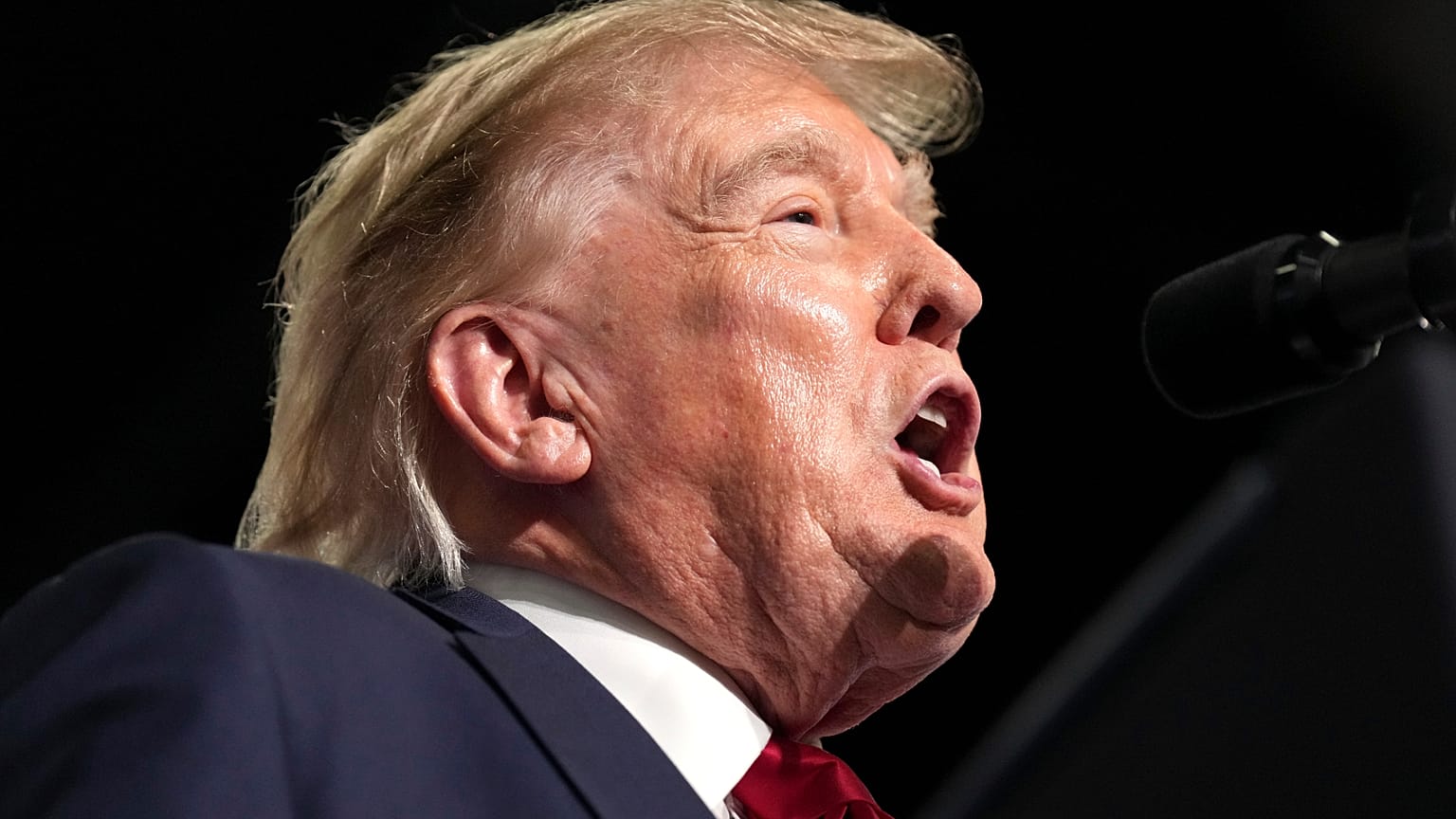
- US President Donald Trump declared that Iran is 'completely collapsing' in a post on Truth Social, emphasizing the severity of the situation.
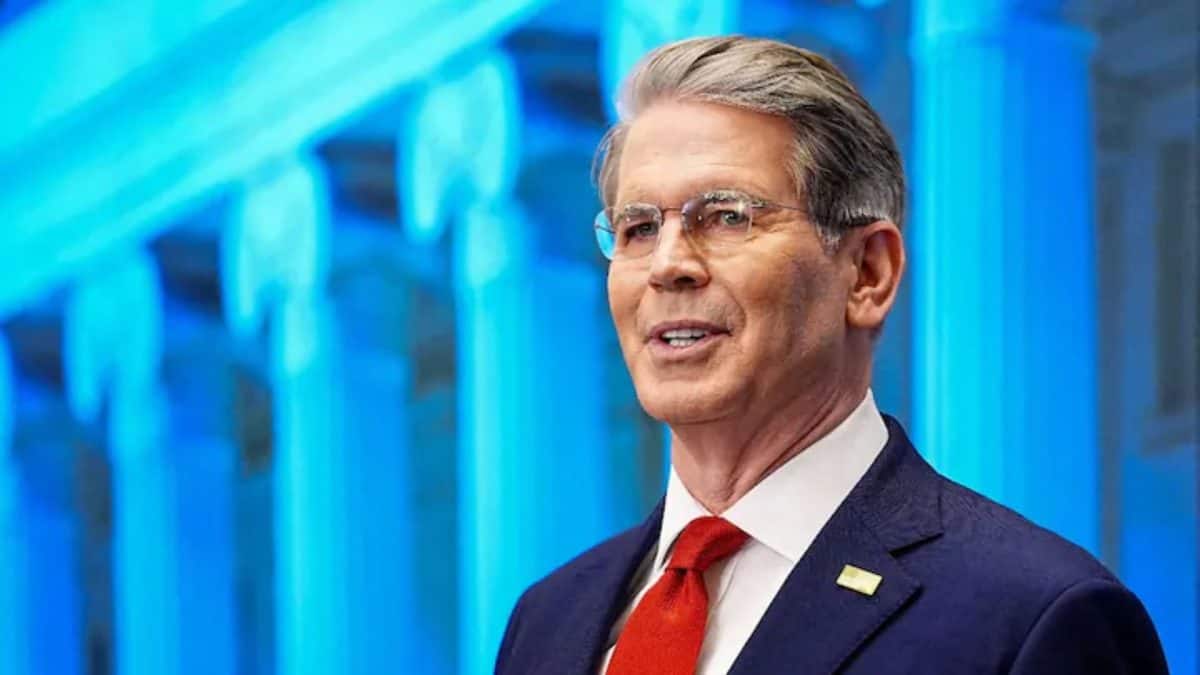
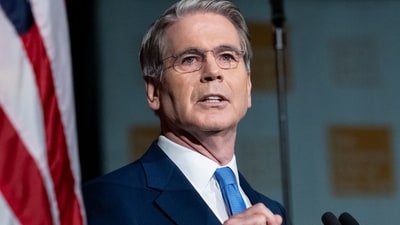
- Treasury Secretary Scott Bessent announced an 'economic D-Day' against Iran, warning that countries enabling Iran would become 'global pariahs'.
- Iran's Deputy Foreign Minister Kazem Gharibabadi dismissed US claims, stating that the financial warfare is an 'admission of America's defeat'.
- Iran has warned countries against cooperating with US efforts, stating that participation will 'definitely have its own consequences'.
- Iranian President Masoud Pezeshkian acknowledged that Iran faces 'many problems in society' and called for an end to the war.
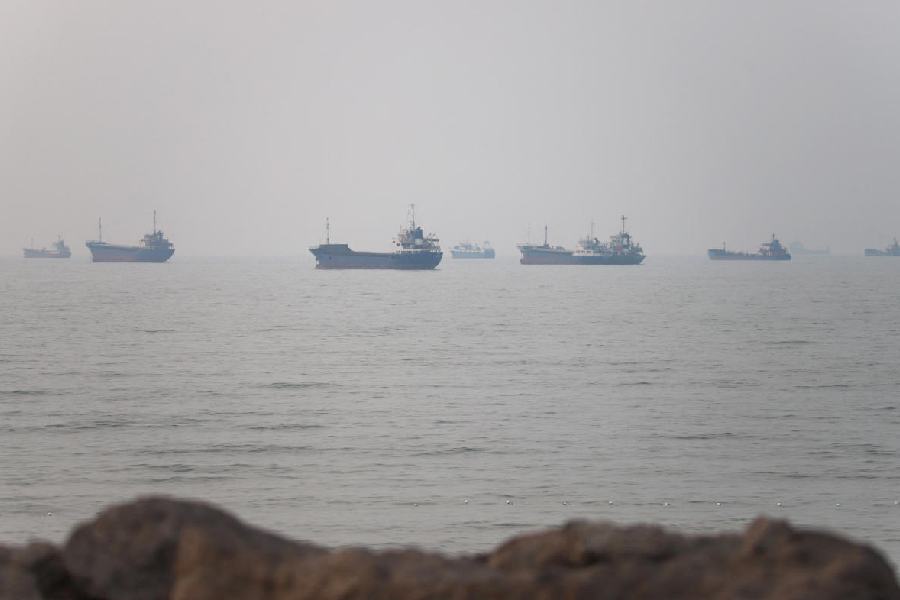
- The US naval blockade has significantly reduced Iran's oil exports via the Strait of Hormuz, dropping from 2 million barrels a day pre-war to just 0.4 million by mid-August.
- Pakistan's army chief and Omani Foreign Minister Badr al-Busaidi are expected in Iran for talks regarding Hormuz passage.
President Donald Trump asserted that Iran is 'completely collapsing' as the U.S. Treasury plans to broaden secondary sanctions targeting nations and entities engaging with Tehran. This announcement follows Treasury Secretary Scott Bessent's declaration of an 'economic D-Day' against Iran, warning that non-compliance could render countries 'global pariahs.'12
Bessent claimed the U.S. has effectively dismantled Iran's military capabilities and nuclear program, stating, "We have buried its nuclear programme." However, Iranian officials, including Deputy Foreign Minister Kazem Gharibabadi, countered these assertions, questioning the need for extensive financial measures if the U.S. had achieved its objectives. Gharibabadi remarked, "Is this a victory or an admission of America's defeat?"45

The U.S. naval blockade has drastically reduced Iran's oil exports from two million barrels a day to just 0.4 million by mid-August, according to maritime tracker Kpler. In response, Iranian officials have cautioned against cooperation with U.S. sanctions, with Foreign Ministry spokesman Esmaeil Baqaei warning of consequences for participating countries.
Despite the government's claims, Iranian President Masoud Pezeshkian acknowledged the country's struggles, stating, "We are striving with all our hearts to overcome inflation, livelihood problems, unemployment..." Meanwhile, citizens like Sarah Hassanbeigi, a pharmacist in Tehran, expressed despair over the situation, saying, "It's really very difficult. I don't think people can really take this much longer."89
“Iran's oil exports via the Strait of Hormuz have plummeted from 2 million barrels a day pre-war to just 0.4 million by mid-August, per Kpler. Tehran warns countries cooperating with US efforts will face 'consequences', while President Pezeshkian admits Iran faces 'many problems in society'.”