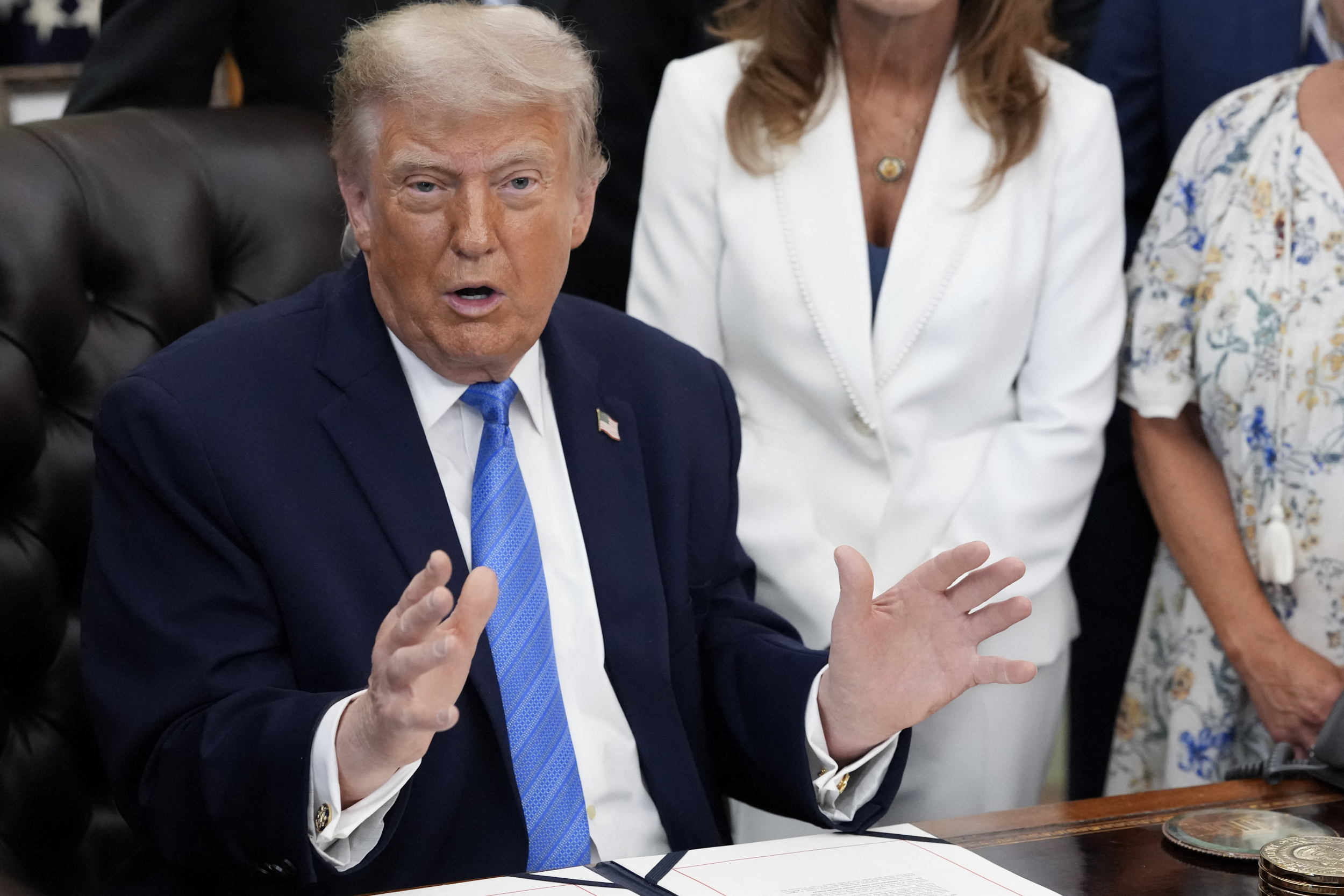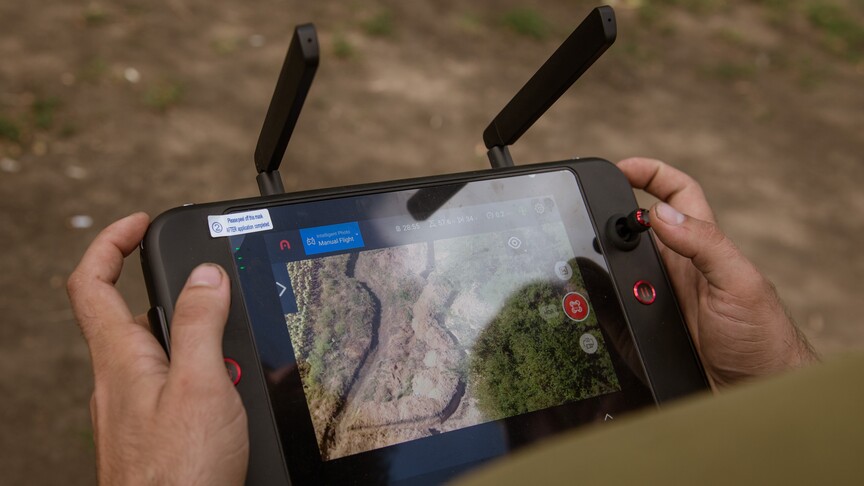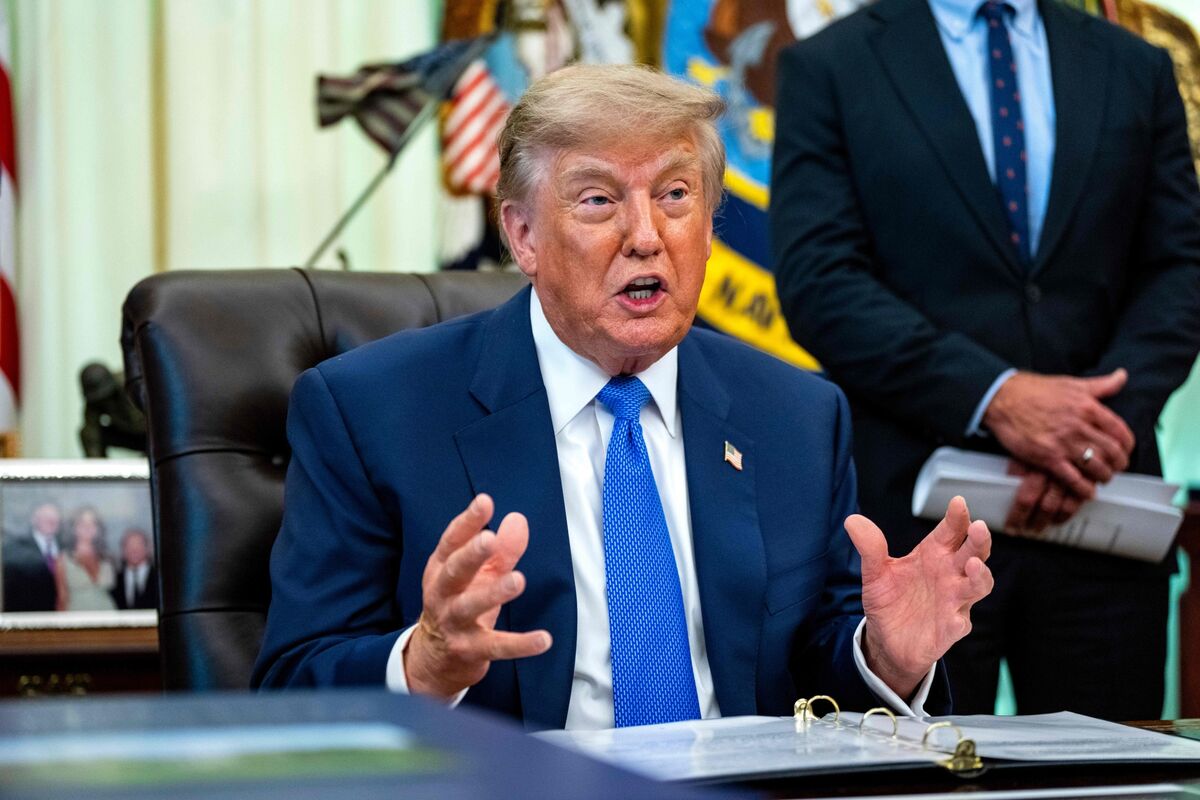
- Trump has declared 100 percent tariffs on imported drones and their components, escalating efforts to reduce US reliance on foreign suppliers and potentially accelerating a decoupling of drone supply chains with China.
- The top rate applies to heavier drones weighing more than 25 kilograms or those that possess certain capabilities, according to the White House.
- Smaller drones will be taxed at 25%, while lower rates apply to some trading partners such as the European Union and Japan.
- There is a loophole for companies committing to making some of their drones or aircraft parts in the United States, allowing them to avoid tariffs.
- Lower rates of 15 percent will be given to the EU, Japan, Liechtenstein, South Korea, Switzerland, and Taiwan, with a rate of 10 percent for the UK, provided that substantially all hardware, software, and technology originates from within these countries and the United States.
- Stated reasons for the new tariffs include concerns that many U.S. manufacturers are highly dependent on foreign sources for critical UAS components, creating unacceptable national security vulnerabilities.
- Products pose an information technology security risk because their software allows data to be sent back to the manufacturer in a foreign country.
- Concerns exist regarding whether the U.S. industry can produce UAS and UAS components at the required speed and scale to support national security operations.
- The proclamation authorizes the Secretary of Commerce to create a new program to incentivize new investment in U.S. production facilities for UAS and UAS components.
The Trump administration's new tariffs on drones and aircraft parts aim to reduce U.S. dependence on foreign suppliers, particularly from China. The 100% tariff applies to heavier drones over 25 kilograms and those with specific capabilities, while smaller drones face a 25% tariff.
The tariffs are part of a broader strategy to address national security vulnerabilities, as many U.S. manufacturers rely on foreign sources for critical components like motors and batteries. The administration has stated that these products pose an information technology security risk due to their software potentially sending data back to foreign manufacturers.
In a bid to encourage domestic production, the proclamation allows for lower tariffs for certain trading partners, including the EU and Japan, which will see rates as low as 15% if they meet specific criteria regarding the origin of hardware and technology. The Secretary of Commerce is tasked with creating a program to incentivize investment in U.S. production facilities for unmanned aircraft systems (UAS) and components.

Critics argue that the tariffs may lead to increased prices for consumers, as companies often pass on the costs rather than absorbing them. Furthermore, there are concerns about whether the U.S. industry can scale production to meet national security needs during conflicts.
Overall, these tariffs represent a significant shift in U.S. trade policy, reflecting ongoing tensions with China and a push for greater self-sufficiency in critical technology sectors.
“The top rate applies to drones over 25kg or with thermal cameras, while smaller drones face 25%. A loophole exempts companies that commit to US production, and lower rates of 15% apply to EU, Japan, and others.”