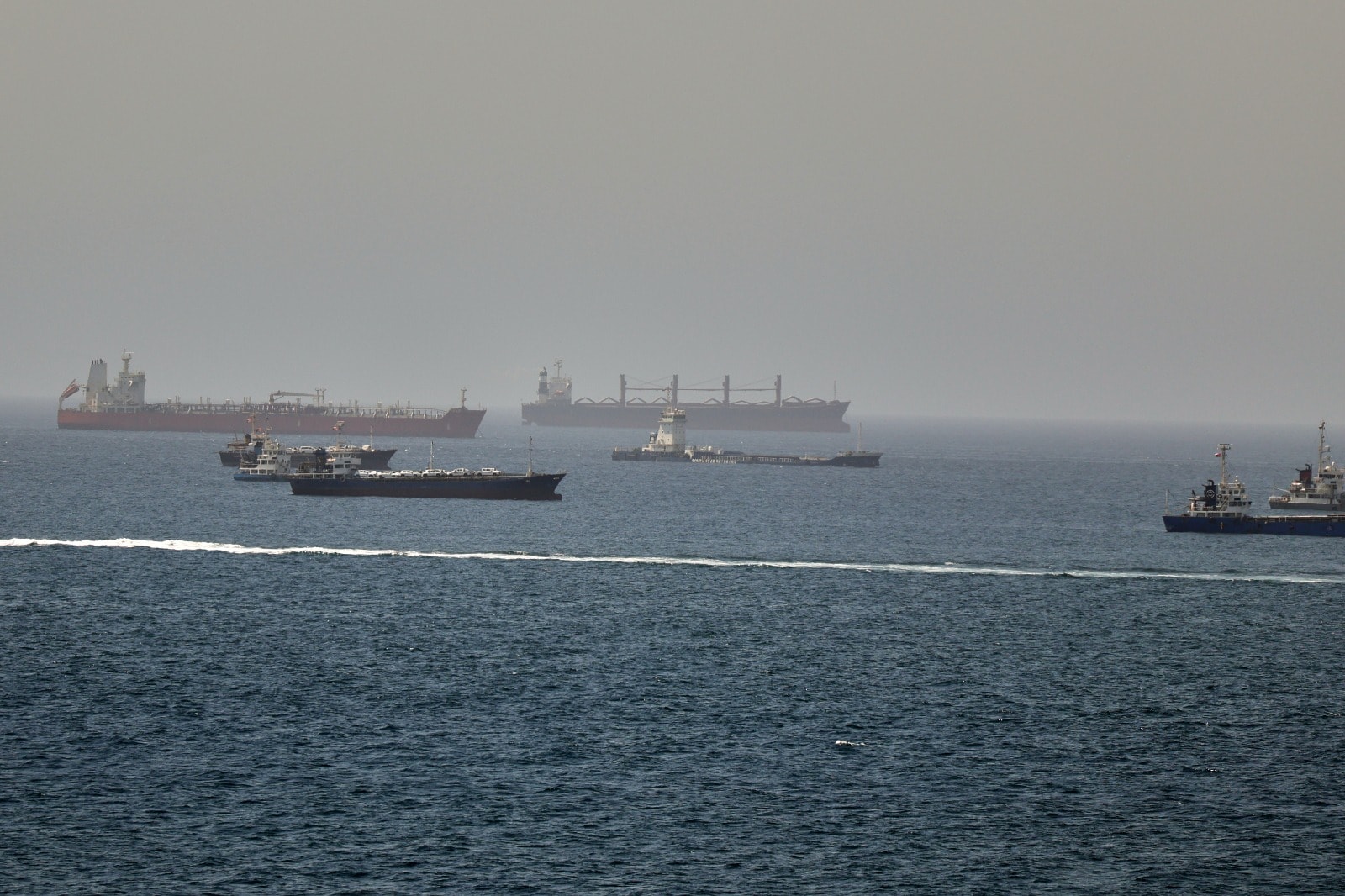
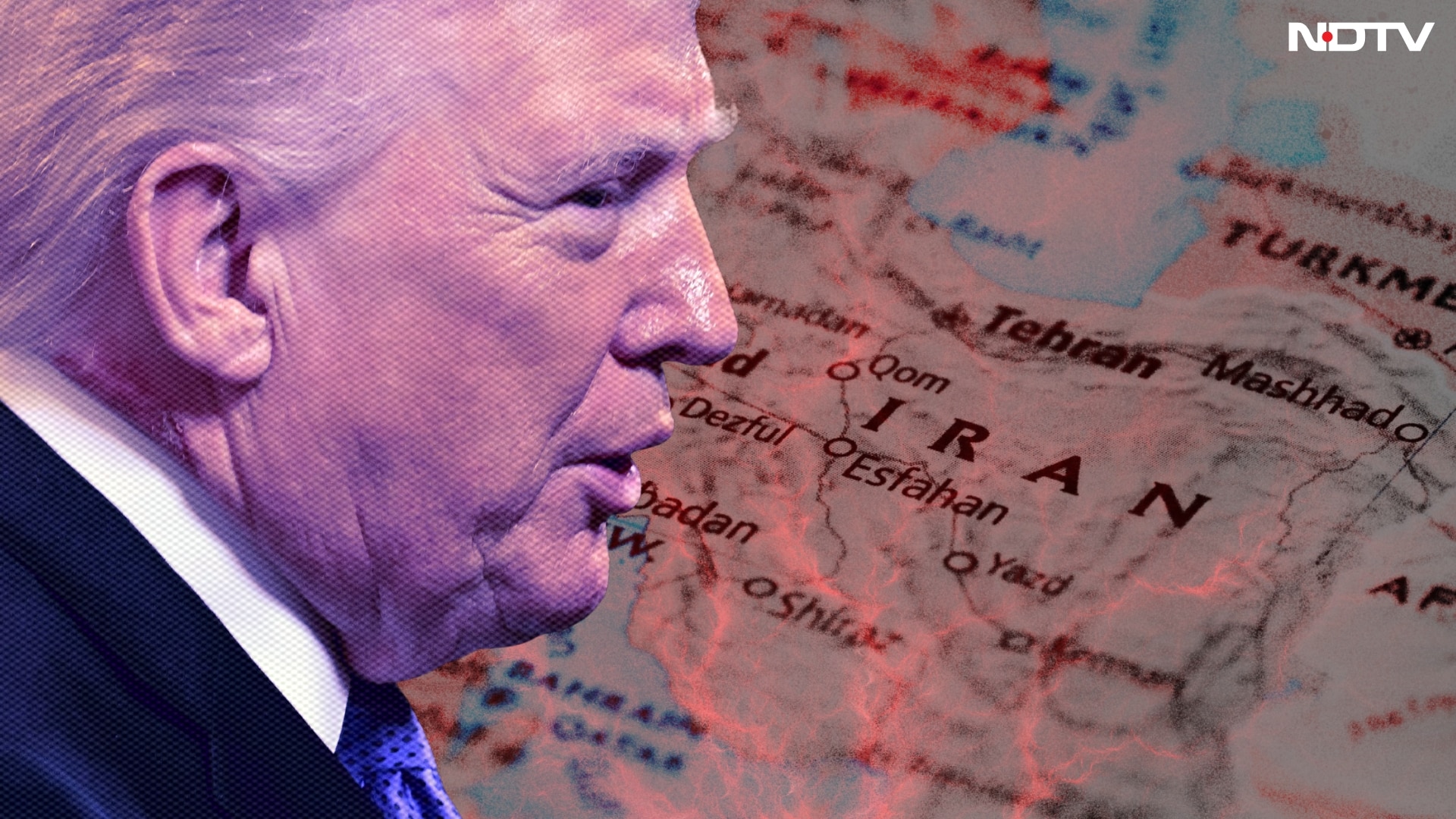
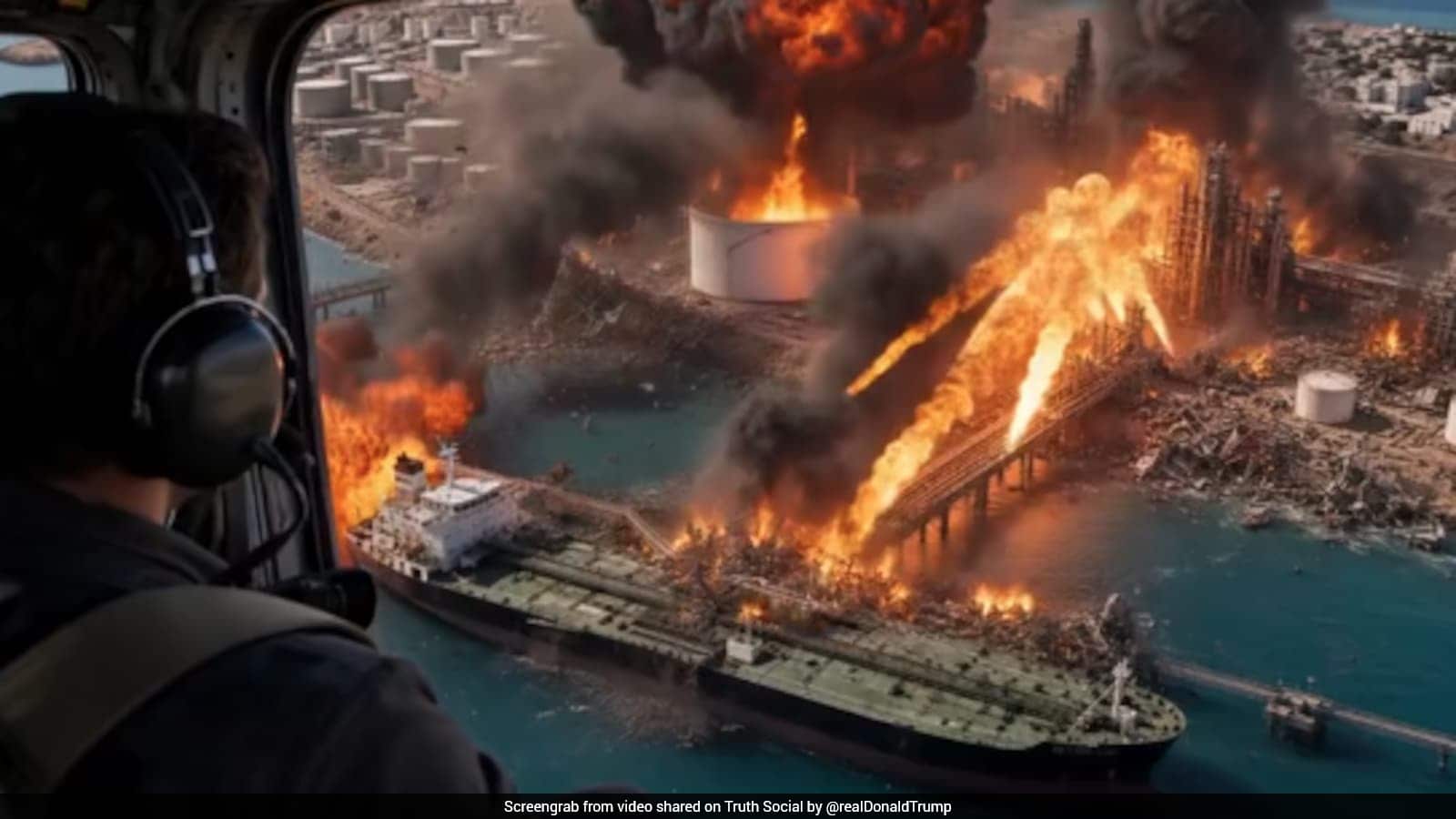
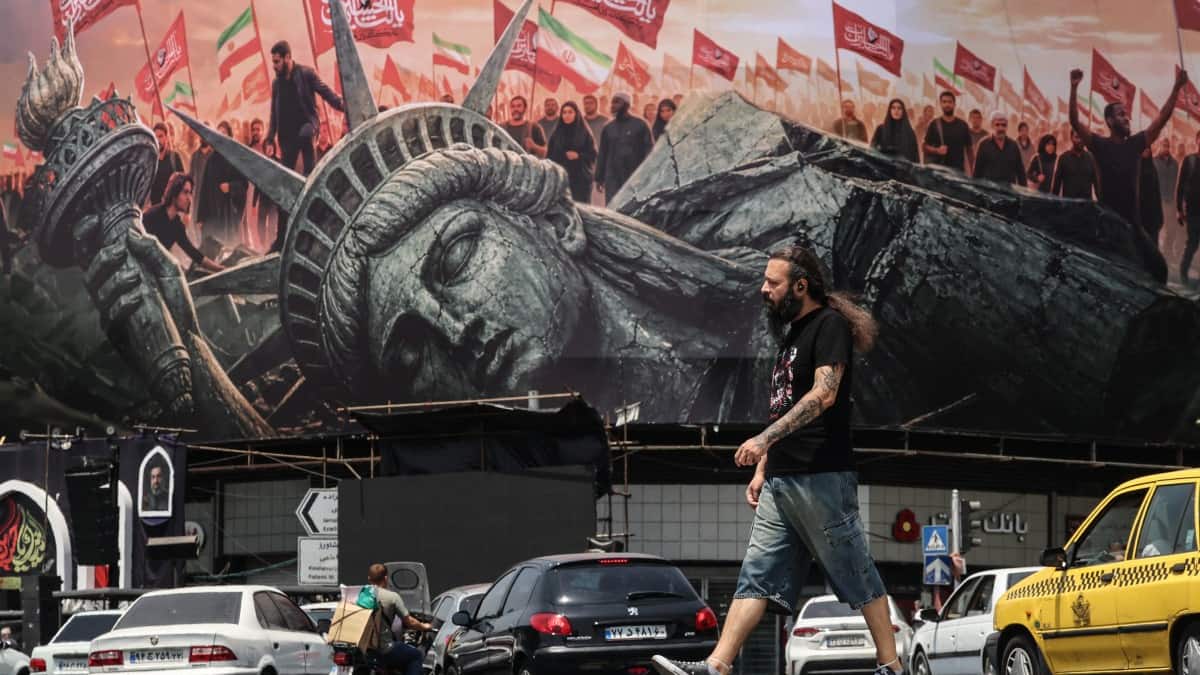
- The Trump administration is reportedly considering a “no war, no peace” strategy of periodic strikes on Iran to ensure safe passage of oil tankers in the Gulf, though the plan has not yet been approved.
- Trump hinted at continued strikes, saying, “That doesn’t mean we won’t smack them. We’ll see what happens.”
- Critics argue that periodic bombing amounts to a “forever war,” with Trita Parsi stating, “To periodically bomb a country is to fight a forever war — there is no way around it.”
- Mohammad Eslami of the University of Tehran said the administration is pursuing a “calculated” conflict for control of the strait, which was freely open to shipping before the war.
- Negar Mortazavi of the Center for International Policy said renewed escalation became inevitable and that a mutual return to the MoU is the clearest path to de-escalation.
- Parsi also criticized the administration for resorting to permanent warfare, calling it “an utter defeat from the US’s starting point of thinking the war would take no more than four days.”
- Mortazavi warned that Tehran will not capitulate under economic pressure and that each new exchange increases the risk of a wider regional conflict, while Trump's approval rating has fallen to 33 percent amid domestic pressures.
The Trump administration is contemplating a new military strategy towards Iran, termed 'no war, no peace.' This approach would involve periodic strikes to ensure the safe passage of oil tankers in the Gulf, as reported by Axios.
Trump's approval is still pending, and he has indicated a willingness to respond to Iranian provocations, stating, "We’re going to hit them hard … there will be a response."
Trita Parsi, director of the Quincy Institute, criticized the strategy, arguing that it leads to a 'forever war' without resolution. He noted, "The administration seems to be giving up on solving the issue militarily, economically, or diplomatically, and instead resorting to permanent warfare to manage the problem."9
Mohammad Eslami, a research fellow at the University of Tehran, suggested that the U.S. is pursuing a calculated conflict for control of the Strait of Hormuz, which was previously open to all shipping.
Negar Mortazavi from the Center for International Policy emphasized that Iran's response hinges on U.S. actions, stating, "If the US continues to prioritize military pressure, Iran will escalate."
The situation remains tense, with both sides at risk of escalating into a broader regional conflict, as highlighted by Mortazavi's warning that every new exchange increases this risk.
Trump's domestic approval rating has also suffered, falling to 33 percent amid rising petrol prices and ongoing military engagements.1011
“Critics warn that periodic bombing amounts to a 'forever war,' with Trita Parsi calling it 'an utter defeat' from the US's initial expectation of a four-day war. Meanwhile, Negar Mortazavi says a mutual return to the MoU is the clearest path to de-escalation, as Trump's approval rating has fallen to 33 percent.”