- Trump said Israel is a successful country and doesn't need US aid: 'They don’t need it. And we won’t be paying anymore—we won’t be paying Israel. We’ll help Israel if they need it.'
- Israeli PM Netanyahu endorsed a transition to joint weapons development but wanted it phased in over 10 years, not immediately.
- Experts say Trump's announcement is misleading: Matt Duss of the Center for International Policy explained that the US will not zero out aid but will rename it as 'joint defense partnerships' and tuck it into the defense budget.
- Duss warned that under the new setup, American taxpayers will likely pay more with less congressional oversight.
- Trump cited political toxicity as a reason: 'The left uses the $4 billion payment that everybody knows about, when it’s no secret, as a, as a signal of unfairness, and we can’t allow that to happen.'
- Duss noted that Trump's announcement acknowledges that aid to Israel is a politically losing issue for Republicans.
- In the two years after October 7, the US sent at least $21.7 billion in military aid to Israel, according to William Hartung of the Quincy Institute and the Costs of War Project.
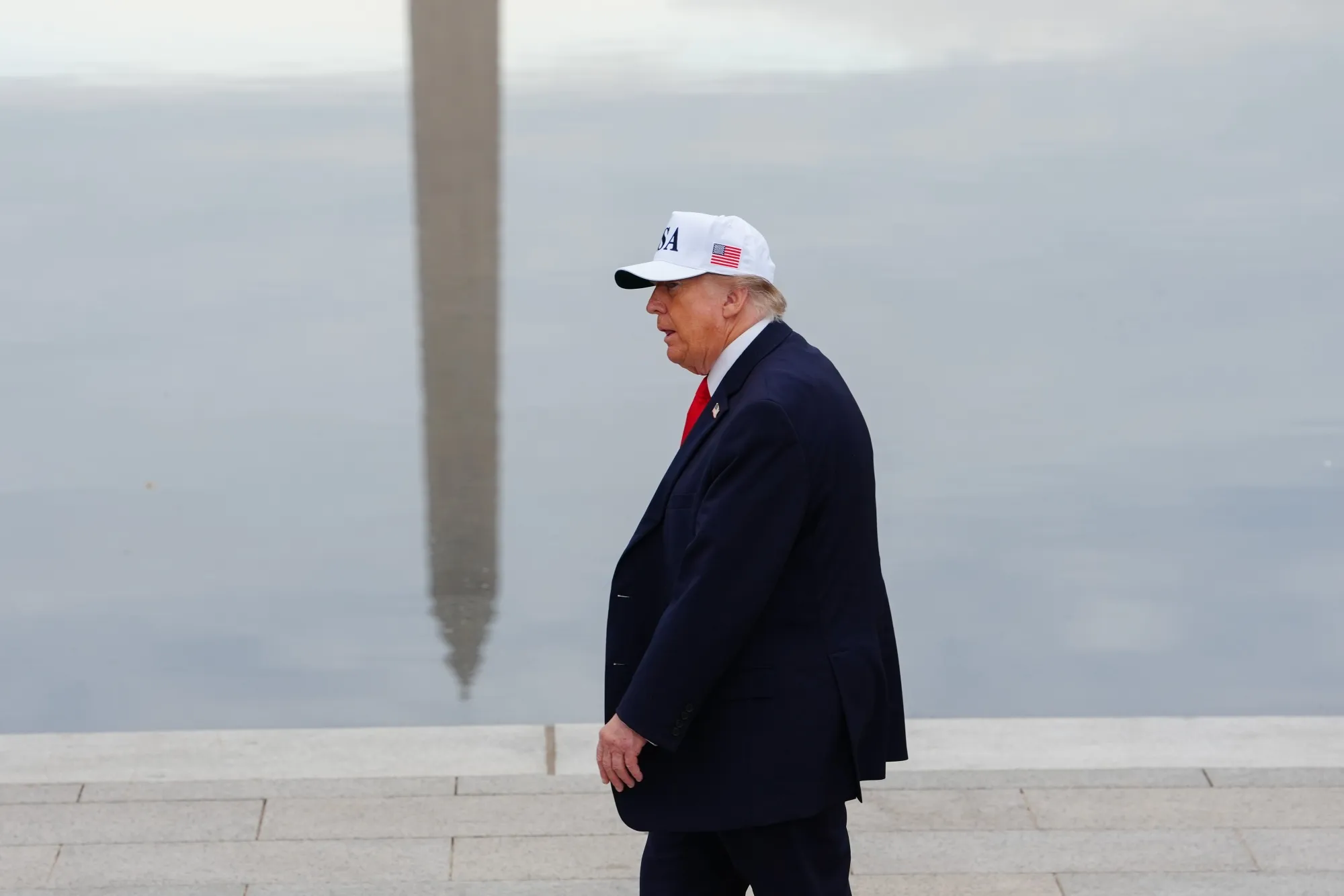
Former President Trump announced on *Fox & Friends* that the US will end its annual $4 billion aid to Israel, claiming the nation no longer requires it. Trump stated, “They don’t need it. And we won’t be paying anymore.” However, experts suggest this move is largely cosmetic.
According to Matt Duss from the Center for International Policy, the aid will not be eliminated but rather renamed and reprogrammed as “joint defense partnerships” and integrated into the defense budget. This transition could lead to increased costs for American taxpayers with diminished congressional oversight. Duss noted, “American taxpayers will almost certainly be paying more money, but with even less congressional oversight.”4

Trump's remarks reflect a broader political strategy, acknowledging that aid to Israel has become a politically losing issue for Republicans. He stated, “The left uses the $4 billion payment that everybody knows about... as a signal of unfairness.” This shift comes after the US provided at least $21.7 billion in military aid to Israel in the two years following October 7, according to William Hartung from the Quincy Institute for Responsible Statecraft.7
Hartung also mentioned that Israeli Prime Minister Netanyahu prefers a gradual transition from direct aid to joint weapons development, suggesting a timeline of 10 years for such changes.2
“Experts say the aid will be repackaged as 'joint defense partnerships' in the defense budget, likely costing taxpayers more with less oversight. Netanyahu endorsed the transition but wanted it phased over 10 years, not immediate.”


 Mother Jones