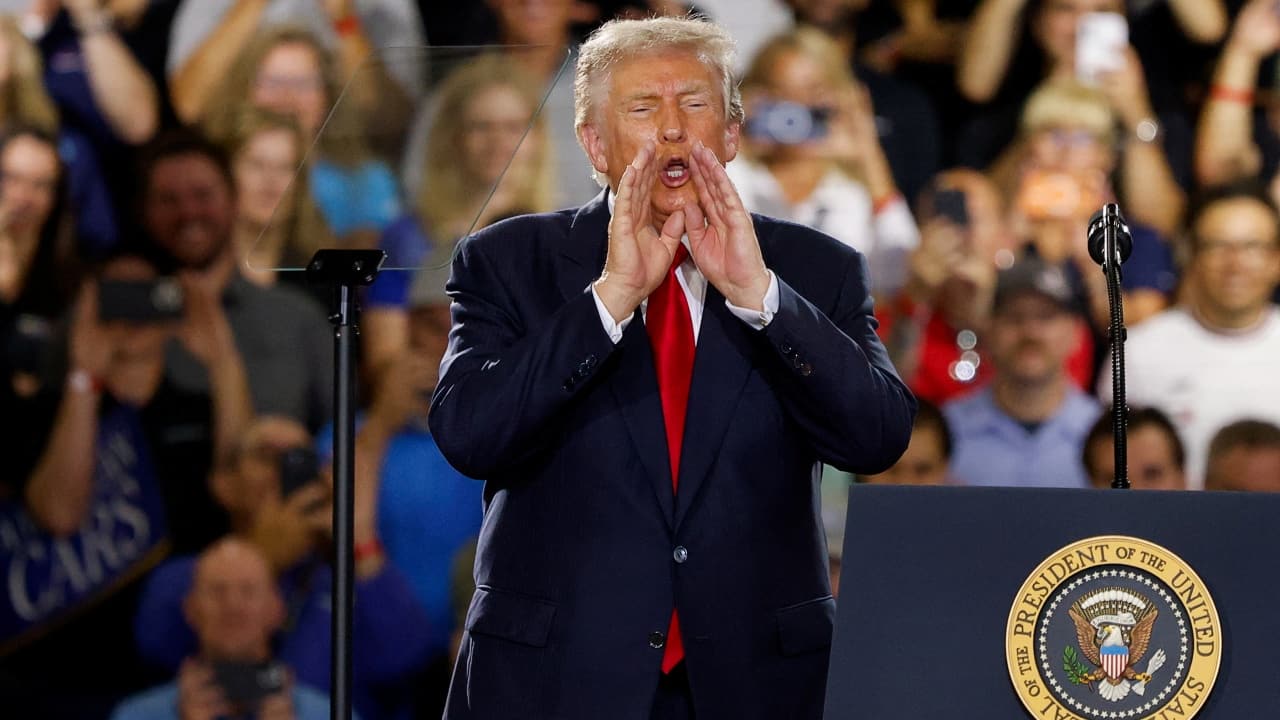
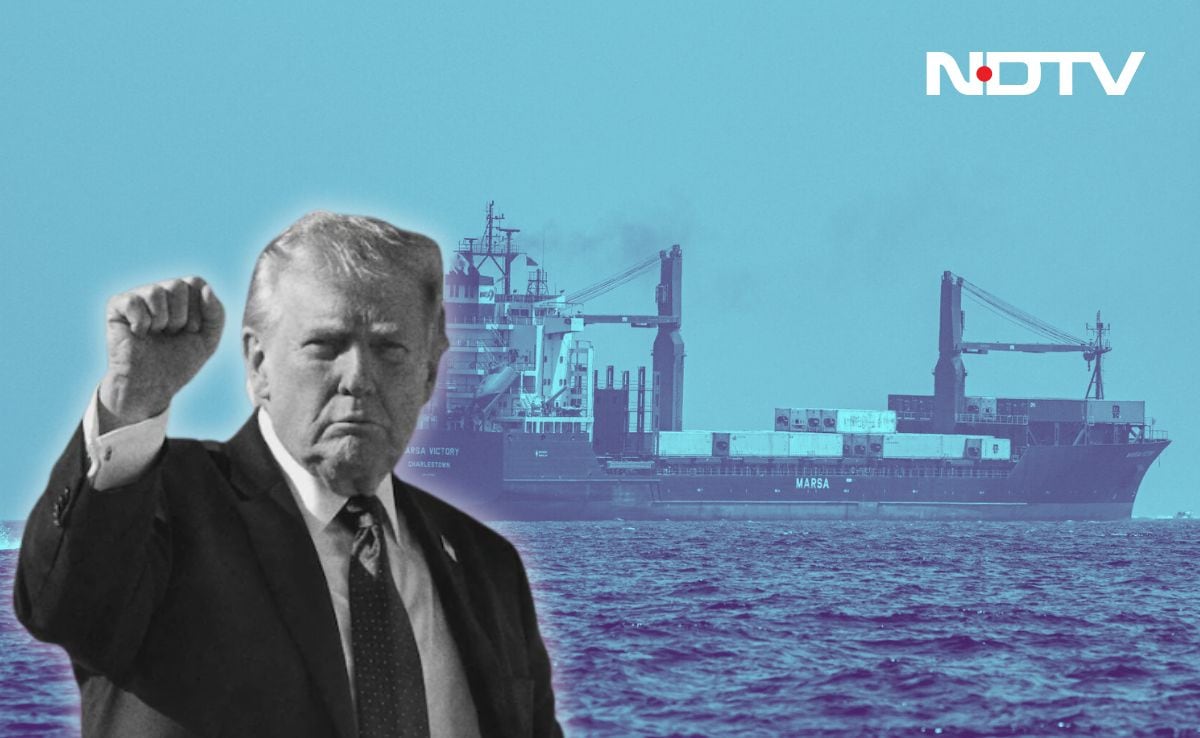
- Trump reiterated his claim to reporters, saying, "We have total control over the Hormuz Strait right now. They don't have control. We have total control. We own it."
- Iran disputes U.S. control, maintaining that it effectively controls much of the strait and plans to impose a toll system in response to the U.S. military campaign launched by Trump on February 28.
- The U.S. and Israel have conducted extensive strikes on Iran's military infrastructure and leadership during the nearly six-month-long conflict, which was launched to curb Tehran's nuclear programme and bring about regime change.
- Iran has responded with missile attacks targeting U.S. bases in the region, Israel, and sites allied with Washington.
- Tehran's most significant response has been its attacks on shipping in the Strait of Hormuz, disrupting one of the world's busiest trade routes and fuelling concerns over global energy supplies and the wider economy.
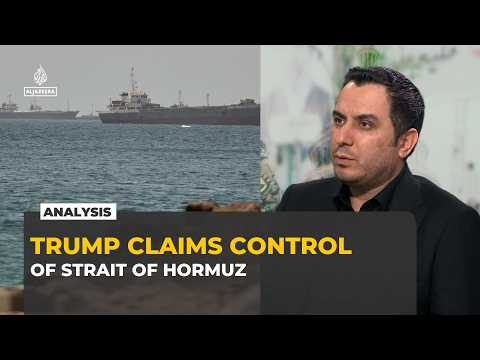
President Trump claimed the U.S. has total control over the Strait of Hormuz, stating, "We will keep it!" He emphasized the strength of the U.S. naval blockade, referring to it as a 'WALL OF STEEL.'15
In a press briefing, Trump reiterated, "We have total control over the Hormuz Strait right now. They don't have control. We have total control. We own it."
In contrast, Iran disputes this assertion, claiming it effectively controls much of the strait. In response to the U.S. military campaign initiated on February 28, Iran plans to implement a toll system for vessels passing through the strait.2
The ongoing conflict has seen the U.S. and Israel conducting extensive strikes on Iran's military infrastructure, aiming to curb Tehran's nuclear program and instigate regime change.4
Iran has retaliated with missile attacks targeting U.S. bases and allied sites, while also disrupting shipping in the Strait of Hormuz, a critical trade route. This disruption raises concerns over global energy supplies and the broader economy.
“Iran maintains it effectively controls much of the strait and intends to impose a toll system, escalating the nearly six-month conflict that began with US strikes on February 28. Tehran's attacks on shipping have disrupted one of the world's busiest trade routes, fueling concerns over global energy supplies.”

 Deccan Herald