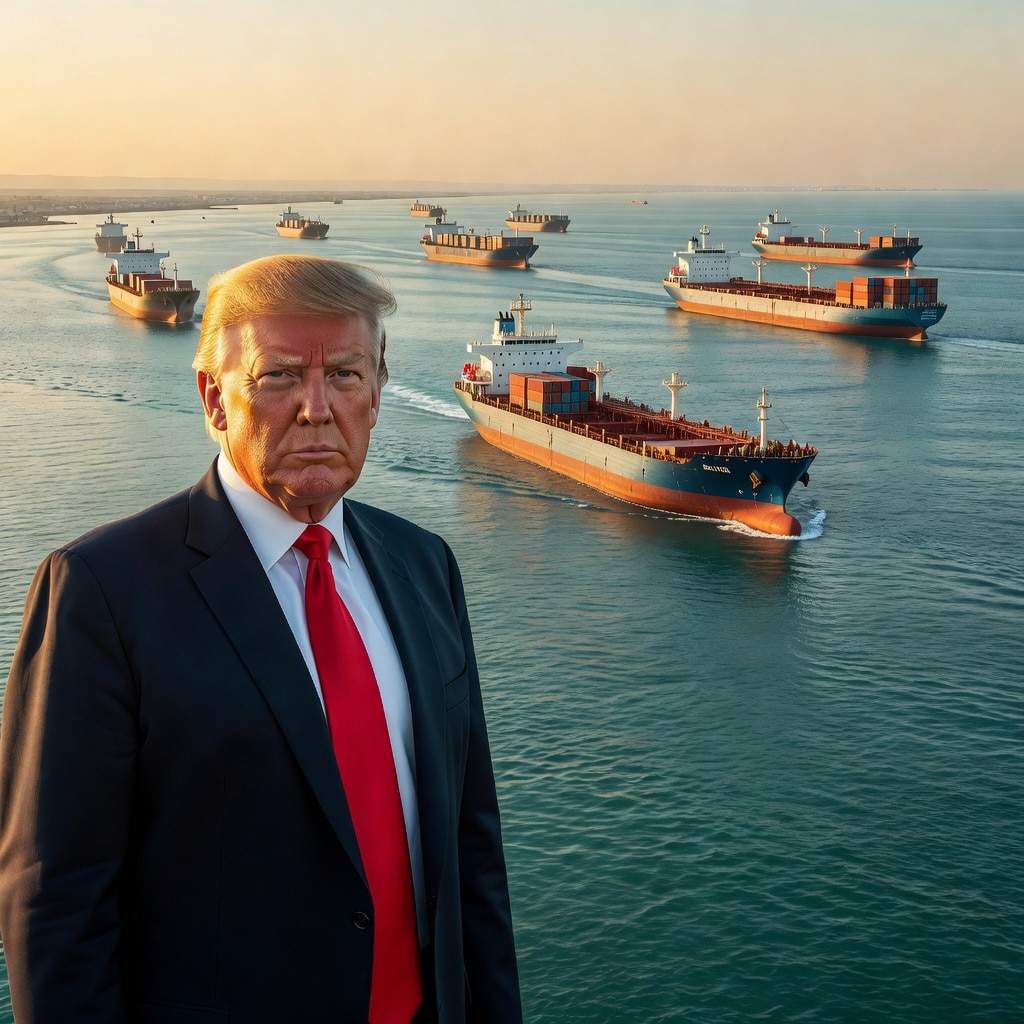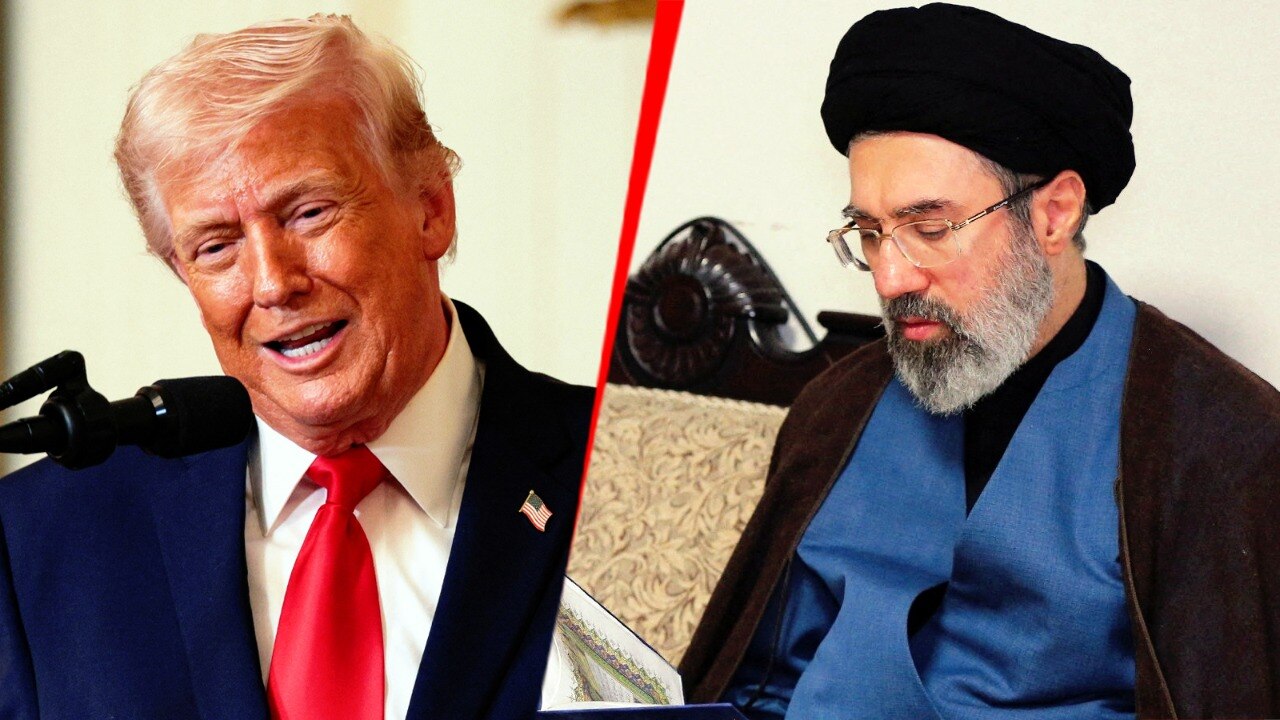
- President Donald Trump stated that Iran must never be allowed to obtain a nuclear weapon and described the Strait of Hormuz as 'American territory' amid escalating tensions between Washington and Tehran.
- Trump emphasized that they will never have a nuclear weapon, asserting that the US has total control over the region linked to the Strait of Hormuz.
- Iran's Deputy Foreign Minister Kazem Gharibabadi responded to Trump's claims, stating that the US President's assertions would be corrected by circumstances or by Iran.
- Iran's Supreme National Security Council head Mohsen Rezaei criticized Trump's remarks, highlighting the gap between America's claims and reality regarding the Strait of Hormuz.
- Iranian Parliament Speaker Mohammad Bagher Ghalibaf stated that Tehran would not reopen the Strait of Hormuz until the US fulfills commitments under a 14-point memorandum.
- Trump announced the 'most crushing economic operation ever taken' against Iran and warned of consequences for countries providing support.
- Oil prices rose on Friday following the sanctions threat, with Brent settling at $94.39 and WTI at $87.06.
- The US and Iran announced ceasefire arrangements in April and June, but efforts to restore normal shipping through Hormuz have yet to produce a lasting settlement.
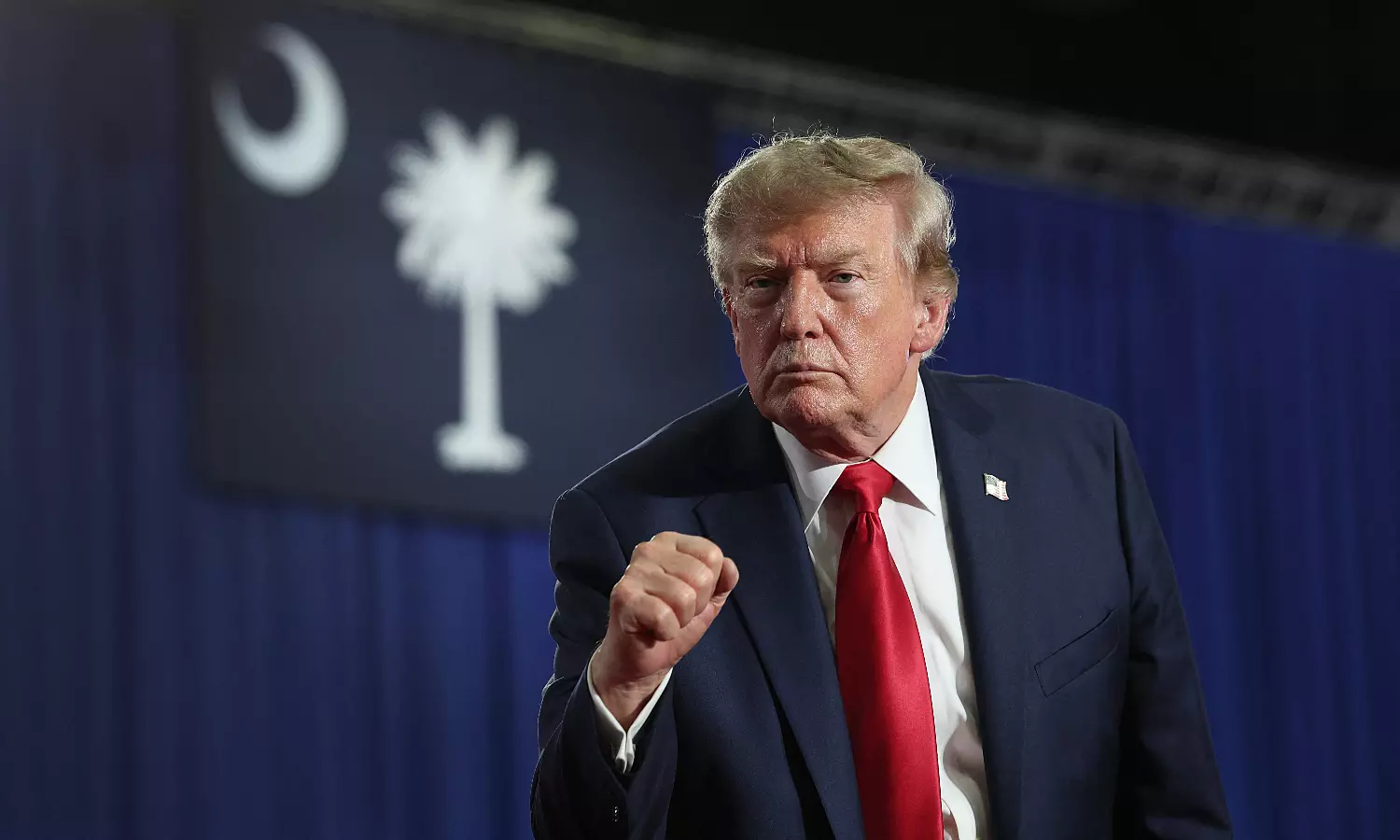
President Donald Trump has escalated tensions with Iran by declaring the Strait of Hormuz as 'American territory' and insisting that Iran will never have a nuclear weapon. Speaking at a rally in Myrtle Beach, he stated, 'We cannot let them have a nuclear weapon, or you will see some very bad things.'
In response, Iranian officials warned of a 'devastating' reaction to U.S. threats. Iranian Deputy Foreign Minister Kazem Gharibabadi dismissed Trump's claims, stating they would be 'corrected' by circumstances or by Iran itself. 'The gap between America's inability to reopen the Strait of Hormuz and its claim to own it is greater than the 7,000-mile distance between Washington and the Strait itself,' said Mohsen Rezaei, head of Iran's Supreme National Security Council.
The U.S. has threatened the 'toughest sanctions in history' against Iran, with Treasury Secretary Scott Bessent stating, 'We are going to collapse this regime.' This comes amid a backdrop of a nearly six-month-old U.S.-Israel war with Iran, which has disrupted shipping through the vital waterway and pushed global oil prices higher. Shipping traffic has fallen sharply, with only seven commodity ships recorded passing through the strait on Thursday, according to Kpler data.
Trump's remarks reflect a broader strategy to exert control over the region, as he claimed, 'We have total control of that entire region having to do with the Strait of Hormuz.' However, the situation remains volatile, with Iran's military readiness to respond to perceived threats.
“Iran's Deputy Foreign Minister Gharibabadi said Trump's 'delusion' would be corrected by circumstances or by Iran, while Parliament Speaker Ghalibaf tied reopening the strait to US fulfilling a 14-point memorandum. Oil prices rose, with Brent settling at $94.39 a barrel, as shipping traffic through the strait fell to just seven commodity ships on Thursday.”


 Deccan Chronicle