WSJ
WSJ- Mr. Trump posted on Saturday that Iran and other Middle Eastern Countries asked him to hold off any attack because “the perimeters of a deal has been agreed to.”
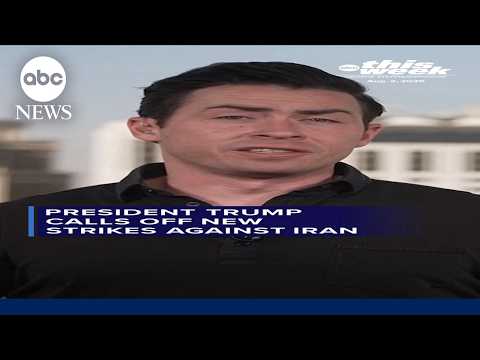
- Trump said early Sunday he had called off the strike after a request from Tehran and other Middle Eastern countries, writing in a Truth Social post that he had been asked to "hold off any attack" because "the perimeters of a deal has been agreed to."
- Mr. Trump’s post said the deal includes an “Immediate, Complete, and Total” opening of the Strait of Hormuz and an end to Iran’s nuclear program, but he offered no other details.
- Oil prices fell after U.S. President Donald Trump said he had called off a planned strike on Iran.
- In Asia trading Monday, futures for September delivery declined 4.5% to $80.89 per barrel and October delivery lost 4.4% to $84.10 a barrel.
- Trump had reportedly been weighing another round of strikes on Iran amid fading prospects for a diplomatic resolution to the conflict, which began on Feb. 28.
- Saudi Arabia’s national news agency reported that Crown Prince Mohammed bin Salman asked Mr. Trump to stand down, possibly fearing attacks on oil facilities and tankers from Iran and its Houthi proxy in the Red Sea; if true, it is another sign that Iran now has escalation dominance.
- It is unclear how the turnabout happened so quickly because Mr. Trump had been building all week to a military response, and Journal reporters said Friday he had made a decision to escalate.
- Iran's acting defense minister, Seyyed Majid Ibn Al-Reza, said the enemy's recent statements were part of a "psychological and cognitive warfare campaign" and that Iran considers every threat real and takes it seriously.
- Iran's Fars International news agency, affiliated with the Islamic Revolutionary Guard Corps, dismissed Trump's proposal as amounting to a "wish list."
President Trump announced the cancellation of a planned military strike on Iran early Sunday, following a request from Tehran and other Middle Eastern nations. In a post on Truth Social, he stated, “We have just been asked by Iran, and other Middle Eastern Countries, to hold off any attack in that the perimeters of a deal has been agreed to.”236
The proposed agreement reportedly includes the “Immediate, Complete, and Total OPENING OF THE HORMUZ STRAIT, and an end to Iran's nuclear threat.” This decision comes after a week of escalating tensions, where Trump had been considering military action against Iran.
Saudi Arabia’s Crown Prince Mohammed bin Salman is believed to have urged Trump to de-escalate, fearing potential attacks on oil facilities. This intervention highlights Iran's growing influence in the region, as it appears to have gained escalation dominance in the ongoing conflict.910

As a result of the announcement, oil prices fell significantly, with futures for September delivery declining 4.5% to $80.89 per barrel and October futures dropping 4.4% to $84.10. Market analysts noted that investors were reducing geopolitical risk premiums following Trump's decision.
Despite the optimistic tone of the proposed deal, Iran's Fars International news agency dismissed Trump's demands as a “wish list,” indicating skepticism about the feasibility of the agreement.14
In a statement reflecting Iran's stance, acting defense minister Seyyed Majid Ibn Al-Reza remarked, “Although the enemy's recent statements are part of a psychological and cognitive warfare campaign, we consider every threat to be real and take it seriously.”13
“Oil futures for September delivery slid 4.5% to $80.89 a barrel in Asia, while October delivery lost 4.4% to $84.10. Iran's Fars International news agency, affiliated with the Islamic Revolutionary Guard Corps, dismissed the proposal as a 'wish list,' and acting Defense Minister Seyyed Majid Ibn Al-Reza said Tehran considers every threat real.”