
- Trump posted on Truth Social that “Iranian Leadership is unbelievably duplicitous!” and stated that “a Deal, or Total Surrender” must be accomplished.
- After promising to hit Iran “very hard,” Trump claimed talks would continue and the “perimeters of a deal” on Hormuz and Iran’s denuclearization had been agreed; Iran’s foreign ministry denied any talks, stating “Our negotiations are with Oman.”
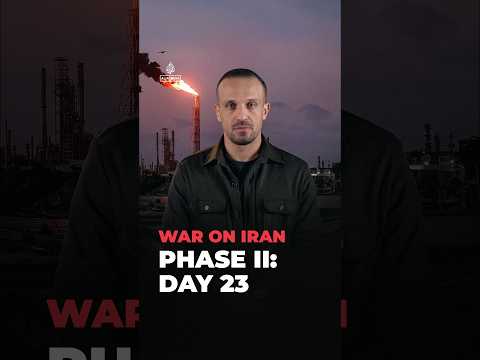
- Iran has proved as stubborn as Trump, and can reignite the conflict by lobbing ballistic missiles at US bases and maintaining a stranglehold on the Strait of Hormuz, taking the initiative in the stalled peace process.
- Baqaei said an Oman agreement would not return the Strait of Hormuz to prewar status; Iran remains capable of closing the strait and stifling shipping, including a fifth of global oil supply.
- The US remains capable of devastating strikes on Iran, but faces a shortage of key munitions and a lack of meaningful targets to force a policy change.
- Since April, three ceasefires have collapsed, and with just over three months left until the US midterm elections, fewer than a third of Americans support the war and 69% say Trump has not explained its goals.
- For Iran, strategic unpredictability has become a weapon that strengthened its negotiating position, giving it tools to slow global oil supply and attack US allies in the Gulf.
- Expert Alex Vatanka said Iran’s best strategy is to “maximise the pain” on the US; Trump “is not really yet ready for a deal,” and Tehran is “trying to shake things up to try get Trump’s attention.”
President Donald Trump has labeled Iran's leadership as 'unbelievably duplicitous' after Tehran denied it was in talks with the U.S. despite earlier requests for negotiations. Trump stated, 'Nothing gets through to Iran, unless we want it to', emphasizing the U.S. blockade on Iranian ports will continue until a deal is reached.12345678913141516
Iran's Foreign Ministry clarified that it is not negotiating directly with the U.S., but is engaging with Oman and other regional countries to ease tensions. Spokesman Esmail Baghaei noted, 'As long as the maritime siege and U.S. actions continue, nothing significant will change in the Strait of Hormuz'.
Trump's comments come as he warned of a potential military escalation, having previously threatened the 'biggest attack since World War II'. However, he opted for diplomacy after discussions with Gulf allies, including Qatar and Saudi Arabia. 'They are now at a point where they don’t think just sitting back and having one round after another of diplomatic talks is the best way forward', said Alex Vatanka, a senior fellow at the Middle East Institute.
With the U.S. midterm elections approaching, public support for the war in Iran is dwindling, with a recent poll indicating that 69% of Americans believe Trump has not clearly explained the goals of U.S. military involvement in Iran. Iran's strategy appears to be focused on maximizing pressure on the U.S. and its allies, complicating the already tense situation in the region.
“Iran's foreign ministry said its negotiations are with Oman to secure passage through the Strait of Hormuz; Trump had claimed the 'perimeters of a deal' on denuclearization were agreed. Iran still can close the strait, through which about a fifth of global oil supply passes, and strike US bases with ballistic missiles.”


 The Guardian



