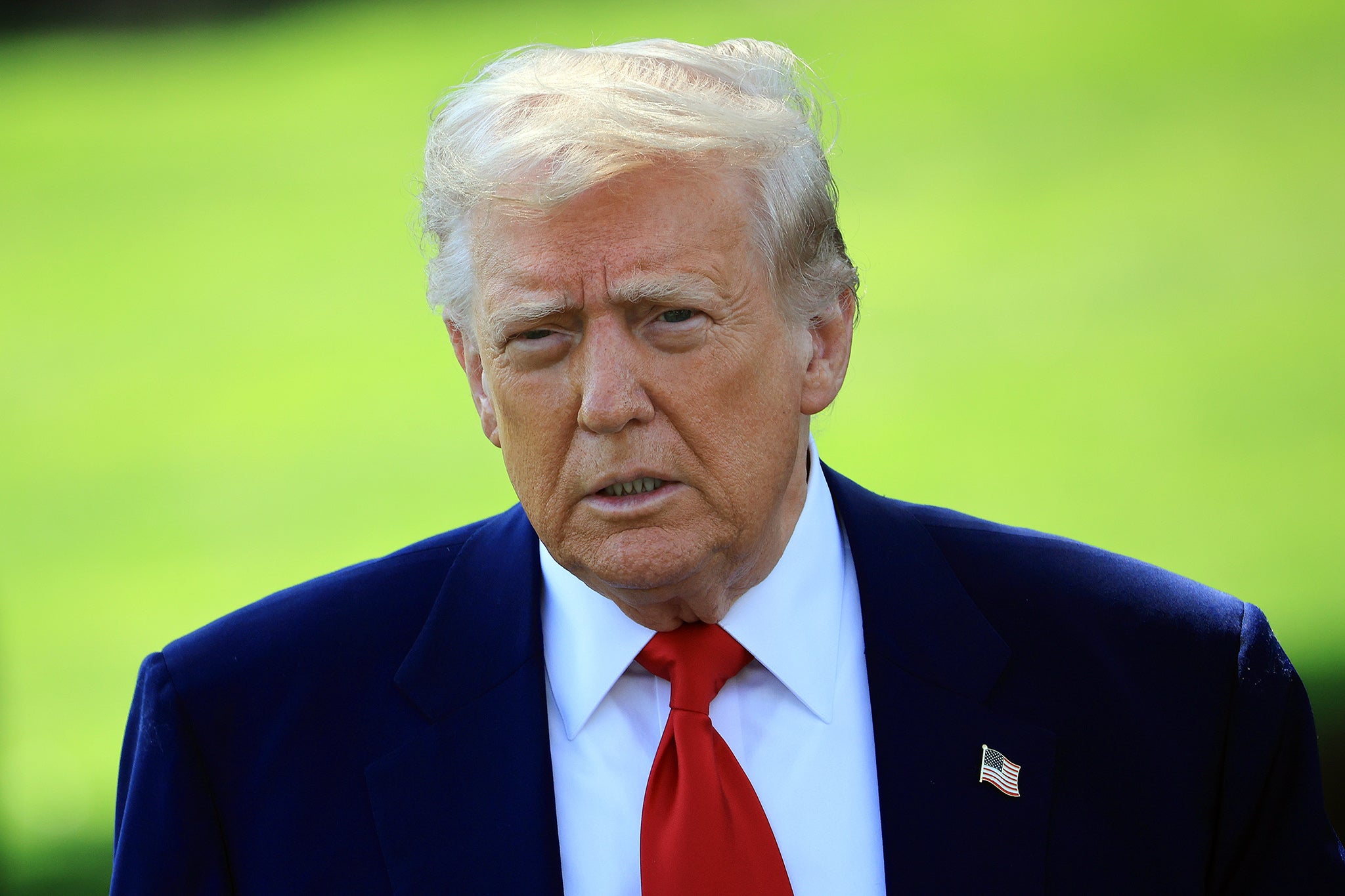
- Democrats have won control of both the House and Senate in the midterm elections, significantly diminishing Trump's legislative influence.
- Following the midterm vote, Trump posted on Truth Social, blaming his defeat on not being on the ballot and asserting he would have won in a landslide.
- In an interview with The New York Times, Trump stated he was willing to accept the election results and work with Democrats, while also posting an image of a MAGA hat inscribed with 'VETO'.
- Pundits and analysts have begun to describe Trump as a lame duck, indicating his reduced influence with two years remaining in his term.
- Trump announced on Fox News that he will veto all 'insane' legislation from Democrats, indicating his intent to resist their agenda.
- The 'lame duck' period refers to the time at the end of a president's term when their influence is significantly reduced, especially after losing control of Congress.
- With the Democratic Party leading both houses of Congress, Trump's ability to influence the legislative agenda is greatly diminished.
- Historically, lame duck presidents often pivot to foreign policy, where they can act with less domestic political constraint.
With Democrats now controlling both houses of Congress, President Trump enters a 'lame duck' phase, significantly diminishing his legislative influence.1468
Trump expressed a willingness to work with Democrats but vowed to veto any 'insane' legislation they propose, stating, 'And after a couple of months of vetoes, they’ll go out, and they’ll say, “How do we get this stuff done?”'5
This shift marks a critical juncture in his presidency, as he faces potential investigations and a reduced ability to push his agenda.

The 'lame duck' period traditionally refers to the time when a president's power is perceived to be waning, especially after losing control of Congress. Trump's situation is unique, as he is the first president in a century to serve two nonconsecutive terms, leading to a second lame-duck phase lasting over two years.
Historically, lame-duck presidents often pivot to foreign policy, where they can act with less domestic political constraint. Trump's previous foreign policy actions included withdrawing from the Iran nuclear deal and engaging with North Korea. However, his current position may lead to more aggressive stances towards adversaries like Iran and Cuba, as he seeks to assert his influence abroad.
As Trump navigates this challenging period, the potential for conflict and unilateral actions remains high, with Congress having limited power to intervene in his foreign policy decisions.
“Analysts note that lame-duck presidents often pivot to foreign policy, citing Obama's Iran deal and Clinton's Camp David Summit. Trump has already exhausted many gambits; his potential actions include strikes on Iran or Cuba, with experts warning of economic and security risks.”