- President Donald Trump announced a deal he called "THE BIGGEST OIL DEAL IN WORLD HISTORY" in Venezuela, but the White House has said little beyond his social media post.
- The deal gives the United States a stake in Venezuela's vast oil reserves, following the capture of then-President Nicolás Maduro in a January raid.
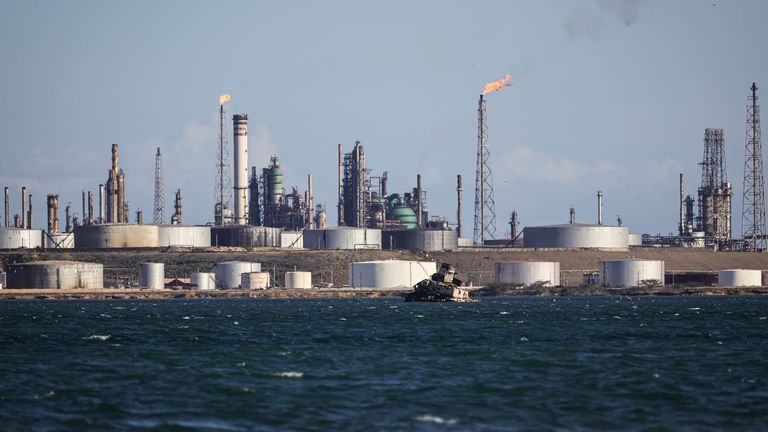
- The U.S. government and an unnamed private operator formed a new private company with rights to vast, untapped oil fields for 100 years, involving 17 fields with a proven potential of 65 billion barrels.
- The deal could draw $100 billion in investment and yield over $209 billion in taxes for Caracas, according to a statement from acting president Delcy Rodríguez.
- The deal gives the United States 55% effective output of the new private company, including an ownership stake and rights to buy oil at cost, with purchases going toward U.S. strategic oil reserves and the military.
- Experts warn that Venezuela's dilapidated oil infrastructure will take years and billions of dollars to repair, and the deal is unlikely to affect gasoline prices soon.
- The deal has drawn mixed reactions: some call it historic, while critics call it "shameful" and "corruption at epic scale."
President Trump announced what he termed "THE BIGGEST OIL DEAL IN WORLD HISTORY" on Friday, granting the U.S. a 55% stake in Venezuela's oil output following the capture of Nicolás Maduro. The deal, involving the development of 17 oil fields with a proven potential of 65 billion barrels, is expected to attract $100 billion in investments and yield over $209 billion in taxes for Caracas.2345
The U.S. government, in collaboration with an unnamed private operator, formed a new company to manage these vast, untapped oil fields for the next 100 years. American purchases from this deal will contribute to the U.S. strategic oil reserves and support military needs, according to a U.S. official who spoke anonymously.
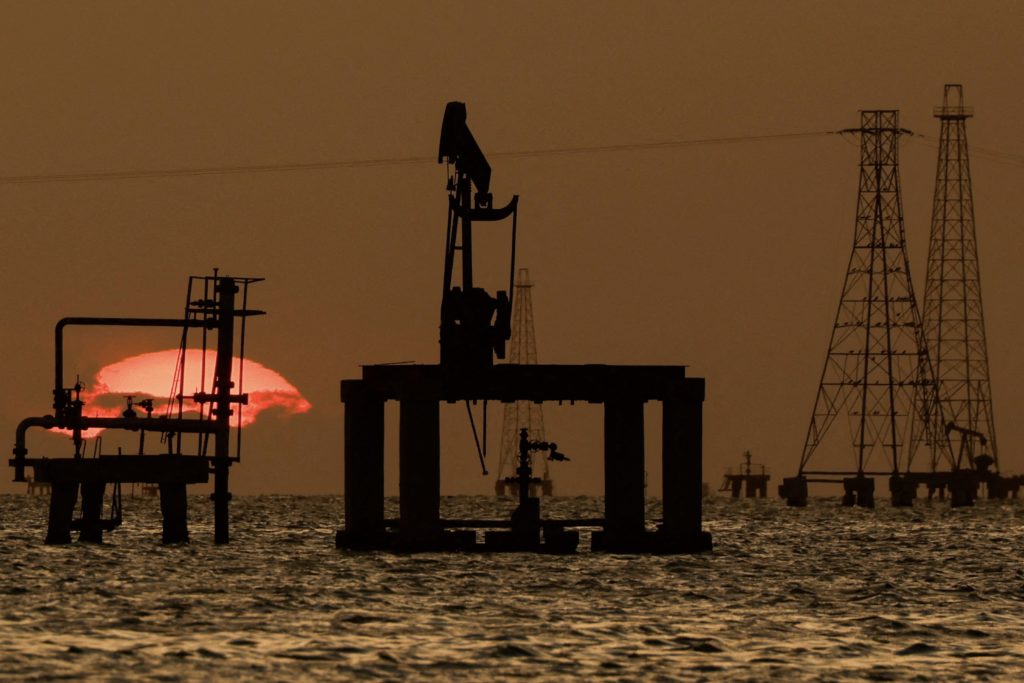
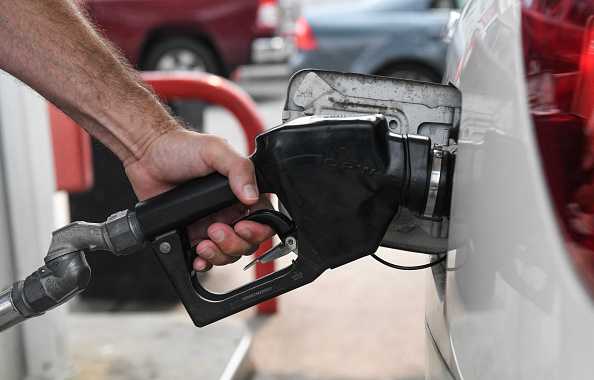
Despite the optimistic projections, experts caution that Venezuela's dilapidated oil infrastructure will require years and significant investment to repair. Amy Myers Jaffe, director of the Energy, Climate Justice and Sustainability Lab at New York University, noted, "The deal could be helpful in the long run, but it's not going to do anything to change the price of gasoline at the retail station for Labor Day weekend."89
Reactions to the deal have been mixed, with Sen. Bernie Moreno calling it historic, while Harvard professor Ricardo Hausmann labeled it a "shameful deal." Sen. Tim Kaine criticized Trump’s motives, branding it "corruption at epic scale." David Oxley from Capital Economics suggested the deal could double U.S. oil reserves but warned of logistical challenges and potential exaggeration of Venezuela's reserve values under former President Hugo Chavez.101112
“The deal involves 17 fields with a proven potential of 65 billion barrels, could draw $100 billion in investment, and yield over $209 billion in taxes for Caracas. Critics call it 'shameful' and 'corruption at epic scale,' while experts warn it won't change gas prices soon.”


 AP News