
- Donald Trump has announced phased tariffs of up to 200% on imported generic drugs, which will take effect after a two-year grace period aimed at encouraging U.S. manufacturing.
- The generic drug industry argues that longstanding structural challenges, not just trade policy, limit domestic production, despite the administration's claims that tariffs will help bring manufacturing back to the U.S.
- Manufacturers facing higher costs will have limited options, including absorbing the tariffs, passing them on to customers, or investing in shifting production to the U.S.
- Trump's announcement threatens the supply of low-cost medicines that millions of Americans rely on, as companies that do not build plants onshore will face levies that could double by August 2029.
- Analysts indicate that companies with existing U.S. manufacturing are better positioned to adapt to the tariffs, but the final impact will depend on how the tariffs are implemented.
- Building a domestic generic drug manufacturing ecosystem is estimated to take a minimum of four to five years, suggesting that Trump's two-year implementation period may not be sufficient.
- The administration's argument is that the tariffs will encourage companies to manufacture more medicines in the U.S., strengthening domestic supply chains over the longer term.
President Trump’s announcement of a phased 100% tariff on imported generic drugs aims to bolster U.S. manufacturing by requiring companies to relocate production by August 2028.
However, industry experts caution that thin profit margins could hinder compliance and disrupt the supply of affordable medications for millions of Americans.
The tariffs, which could escalate to 200% by August 2029, are intended to encourage reshoring of pharmaceutical production. Yet, manufacturers face limited options: they can absorb the costs, pass them to consumers, invest in U.S. production, or cease selling unprofitable products.14
“A 100-200% tariff on a product with single-digit margins is a market-exit notice,” said Salil Kallianpur, highlighting the precarious position of many generic drug producers.
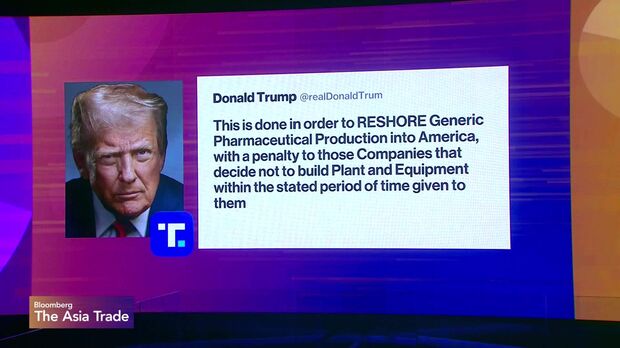
While the administration asserts that tariffs will revitalize domestic manufacturing, the generic drug industry argues that structural challenges have long hindered U.S. production.2
“Building a domestic generic drug manufacturing ecosystem takes a minimum of four to five years,” noted Namit Joshi, suggesting that the two-year grace period may be insufficient for meaningful change.6
The impact of these tariffs on medicine prices remains uncertain, as it depends on the policy's implementation and manufacturers' responses.
“Much now depends on how the administration defines domestic manufacturing and implements the policy,” analysts warn, emphasizing the need for clarity on whether tariffs will apply to imported finished medicines or those made in the U.S. with foreign ingredients.
“Industry executives say tariffs on single-digit margin products could force generic manufacturers to exit the market, with a two-year grace period likely insufficient to build U.S. production capacity. Analysts at Jefferies and Citi note that companies with existing U.S. manufacturing, such as Viatris and Teva, appear better positioned, but many implementation details remain unclear.”


 CNBC
CNBC



