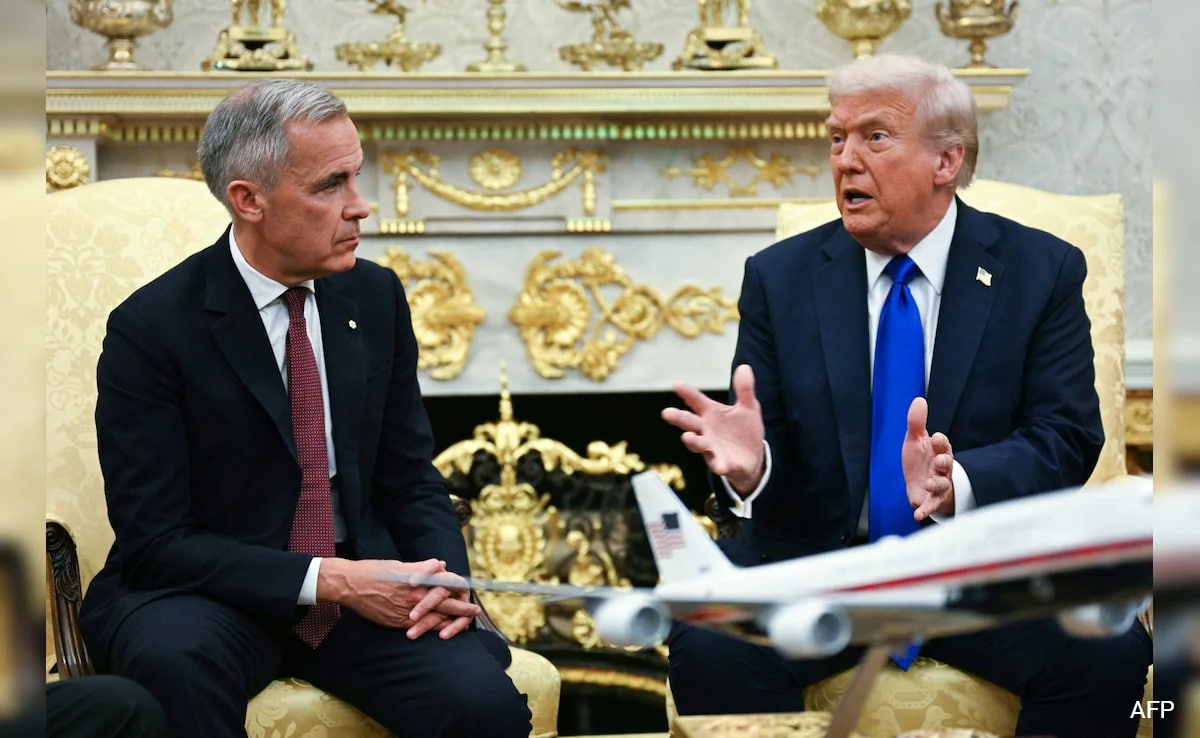
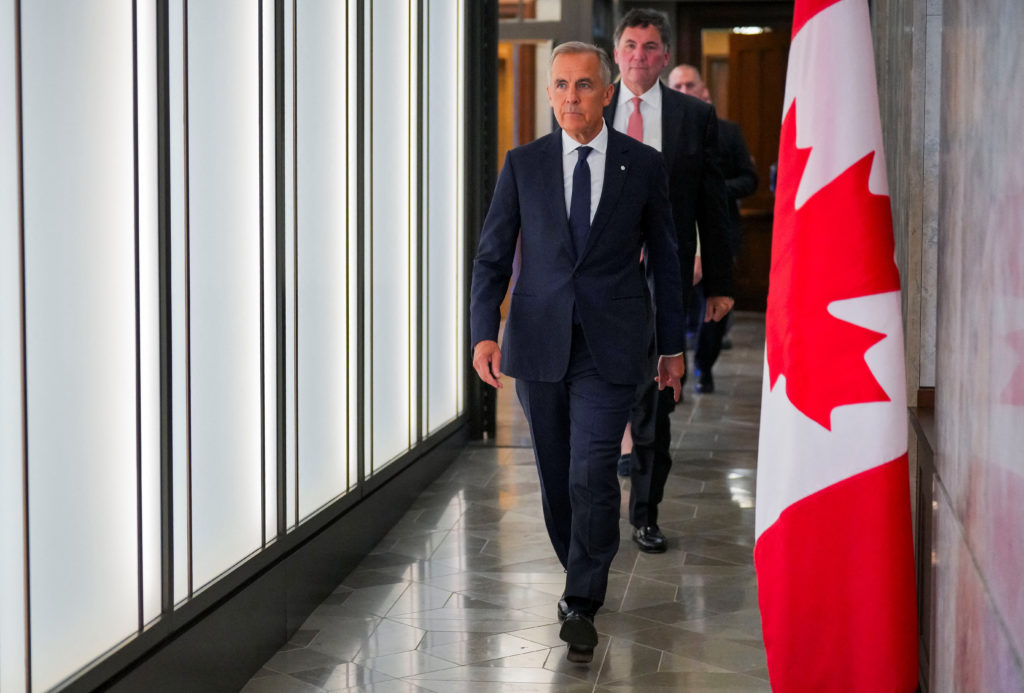
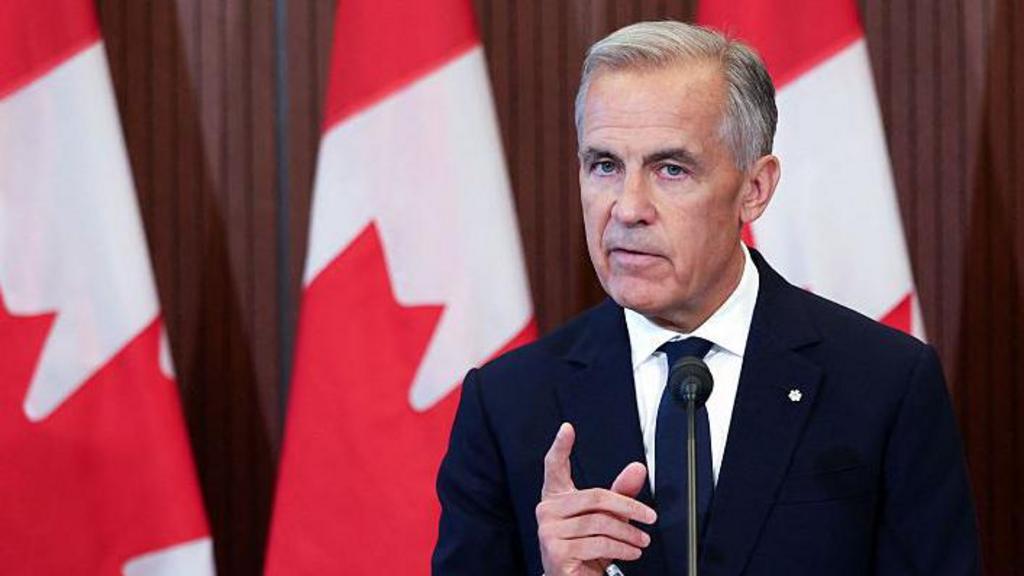
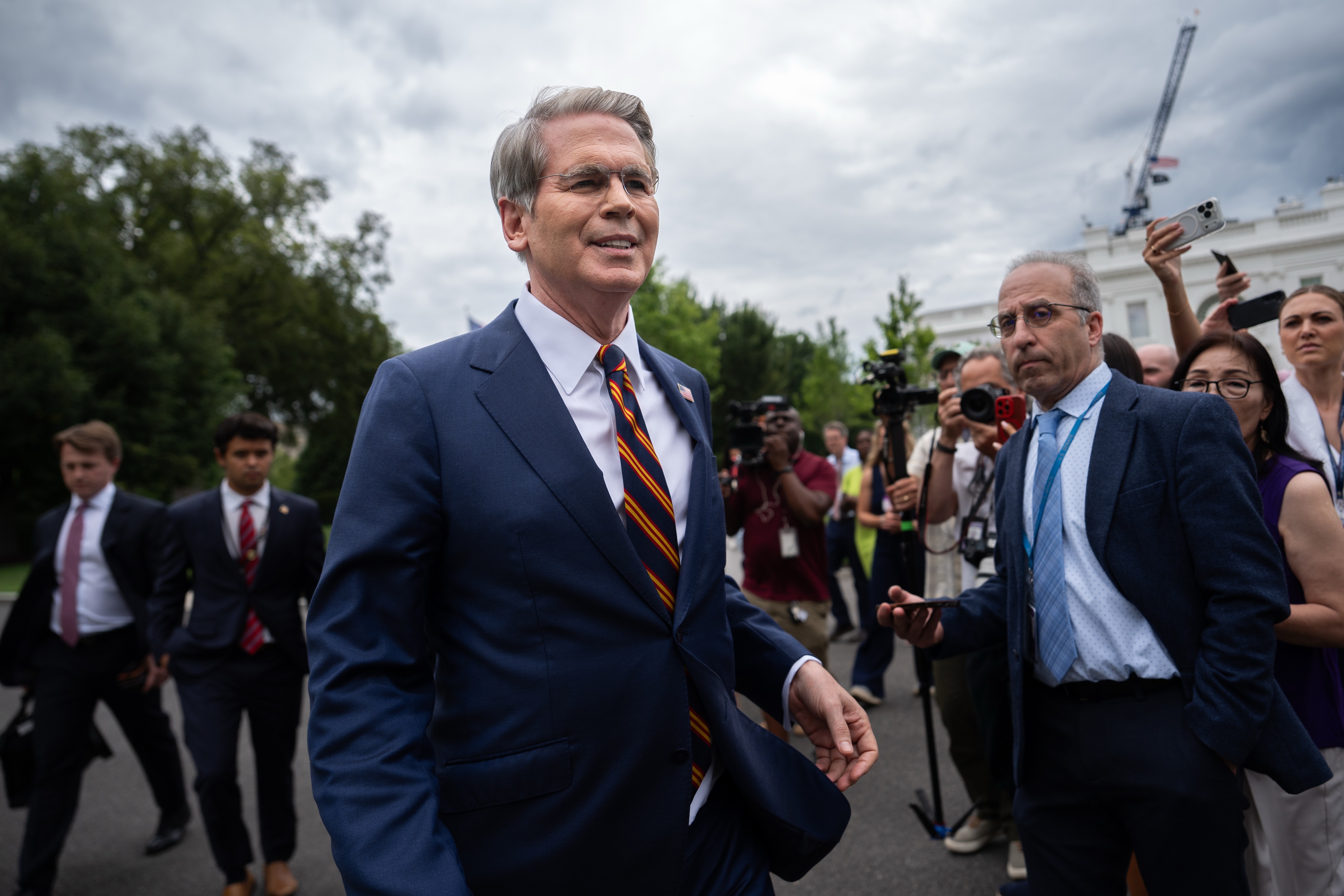
- Prime Minister Carney stated that the US's last-minute demands were 'uneconomic' and called into question the reliability of any deal.
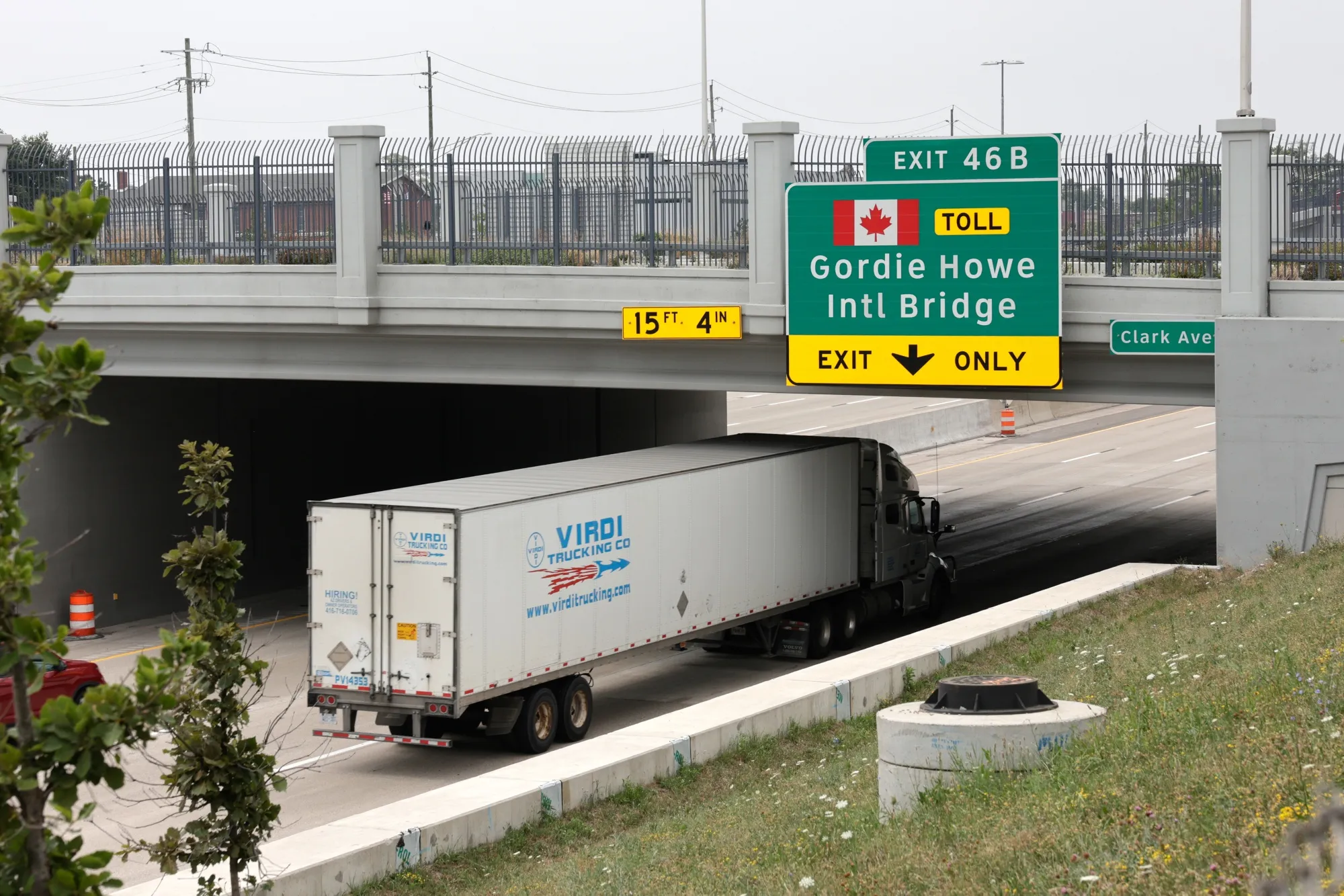
- According to the Canadian ambassador to the US, there was no specific item that put a deal out of reach; rather, it was a range of issues where the text or its interpretation did not align with what Canadians thought they had agreed to. The most contentious issues appear to be tariffs on autos, digital and cultural policy, and the US claiming the right to veto Canada’s trade alliances.
- Canadians have no reason to trust the US administration not to unilaterally impose new tariffs on a whim, as it has done repeatedly and as recently as this week. Carney noted that sometimes the US signature on trade deals is 'worthless'.
- Canadian voters, who were pensive about any new deal with the US, have come out of the prime minister. The mood is one of sustained anger toward the US, born of a visceral sense of betrayal, not merely trade irritants.
- The article warns that the US's behaviour aligns with President Trump's threats to use 'economic force' to push Canada into becoming an American state, and that no Canadian wants a war with the US. It argues that Canada's actions signal a historic rupture in the world order.
- The article refutes US Secretary of Transportation Sean Duffy's claim that the US provides Canadian security, noting that NORAD (North American Aerospace Defense Command) is a fully integrated entity of both Canadian and US militaries, and Canada has its own military and police forces.
- The article argues that the US is using ordinary trade irritants as an excuse to exercise 'mafioso-style dominance' in pursuit of Canada's subjugation or annexation, and that Canadians are being trained to know their place in the new world order.
Canada's Carney condemned the U.S. for its last-minute demands, labeling them 'uneconomic' and undermining trust in trade negotiations. The collapse of talks, just hours before tariffs were set to take effect, has left Canadians feeling betrayed and angry at the U.S. administration's tactics.1
Negotiations fell apart over contentious issues, including tariffs on autos and the U.S. asserting the right to veto Canada's trade alliances. Carney noted that the U.S. signature on trade deals is often unreliable, leading to a visceral sense of betrayal among Canadians.23
Many Canadians feel that the U.S. is using trade as a tool for dominance, with one commentator stating, 'They are using ordinary trade irritants as an excuse to exercise mafioso-style dominance.' This sentiment reflects a broader frustration with the U.S. administration's approach to trade and security, as Canadians question the reliability of their closest ally.
The fallout from the negotiations has sparked a wave of anger, with Canadians expressing a desire to stand firm against perceived bullying. As Carney emphasized, the situation represents a historic rupture in the world order, challenging the long-standing economic interdependence between the two nations.
The collapse of the deal is expected to have painful economic consequences, yet many Canadians are resolute in their stance against what they perceive as an unjust relationship with the U.S.
“The collapse stems from a range of issues, including auto tariffs, digital policy, and US veto power over Canada's trade alliances, with the Canadian ambassador noting no single item was the breaking point. Carney also warned that the US signature on trade deals is sometimes 'worthless,' reflecting deep distrust.”

 The Guardian