- Trump said Canada has agreed to eliminate tariffs on US farmers, though he did not specify which specific agricultural sectors would benefit.
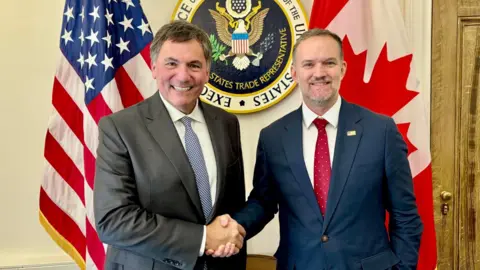
- US Trade Representative Jamieson Greer expressed confidence in the agreement's impact on American workers and the North American economy.
- The deal eliminates several trade irritants that the Americans had with Canada.
- Polls suggest that a majority of Canadians would be unhappy if the Carney government made significant concessions to the US, with 56% saying they want Canada to take a hardline approach.
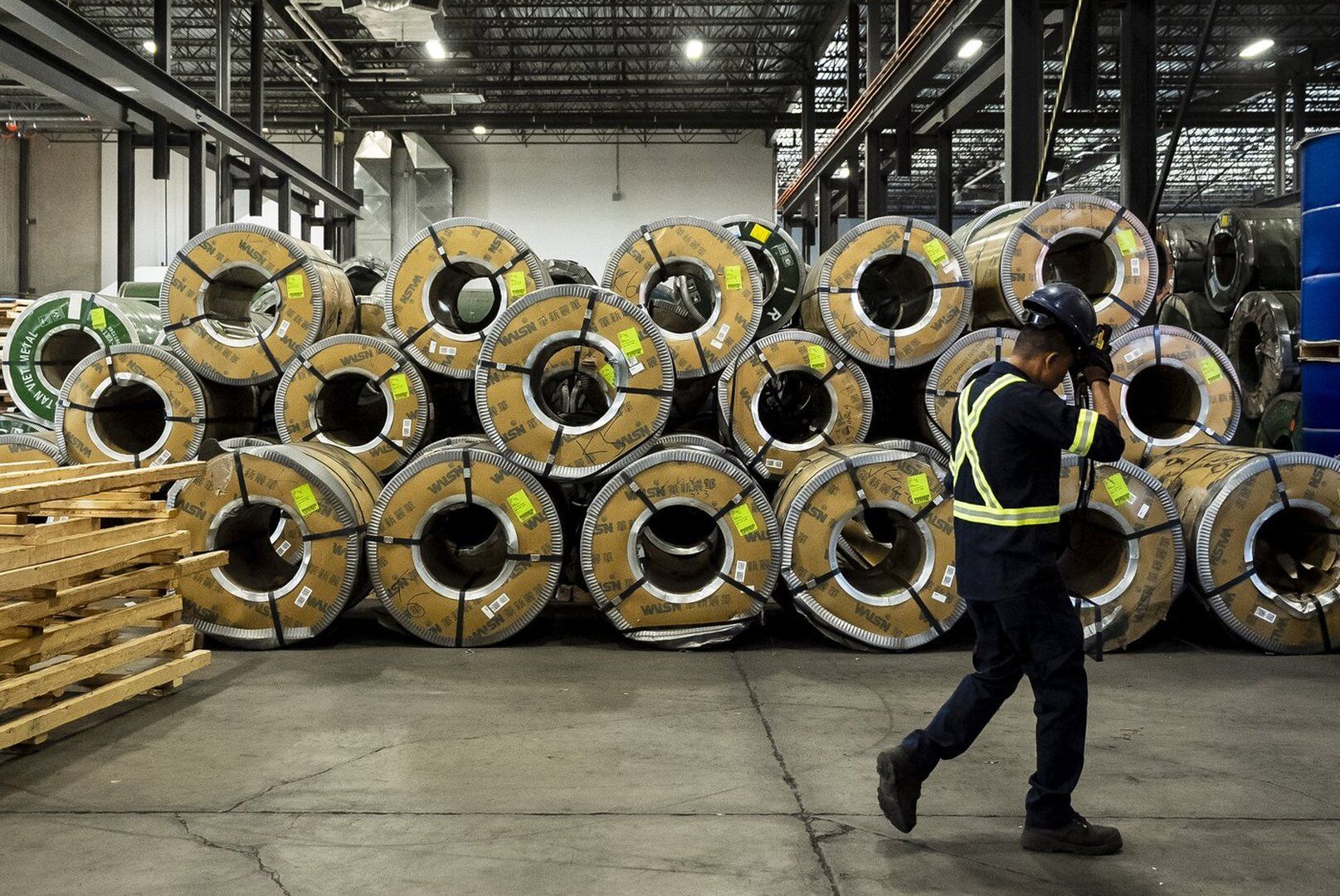
- Canada is pursuing a deal to reduce US tariffs on steel, aluminium, automobiles, and lumber.
- The US is asking for concessions from Canada, including adjustments to dairy quotas and the removal of a ban on US alcohol sales.
- Minister LeBlanc confirmed that Canada's dairy supply management programme will remain "entirely intact."
- Carney stated that the agreement will secure "the best terms" for Canada's strategic sectors.
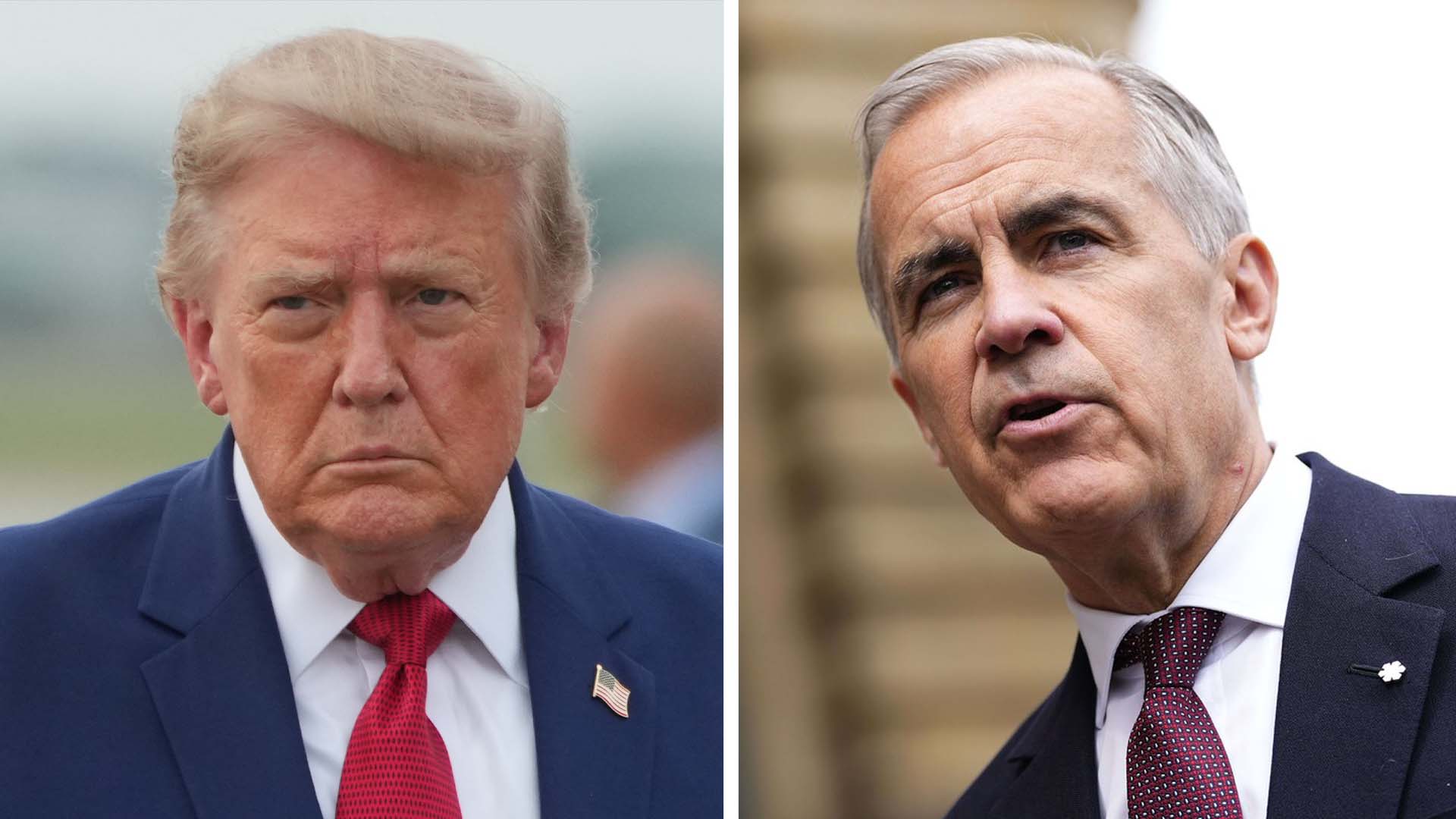
President Trump announced that Canada will eliminate tariffs on U.S. farmers as both nations finalize a trade deal aimed at resolving longstanding trade issues.1
U.S. trade representative Jamieson Greer stated that the deal eliminates several trade irritants that the Americans had with Canada, ensuring protection for American workers and jobs while strengthening the North American economy.234
Trump expressed confidence that the proposed deal will be welcomed by U.S. farmers and manufacturers. Meanwhile, Canadian Minister LeBlanc confirmed that Canada’s dairy supply management program will remain "entirely intact," despite U.S. demands for concessions on dairy quotas.78
The U.S. has sought to remove retaliatory tariffs on American autos and adjust dairy quotas to allow greater access for U.S. cheese producers. Additionally, the U.S. has requested the removal of a ban on U.S. alcohol sales imposed by Canadian provinces in retaliation for Trump's tariffs.
Public sentiment in Canada appears to favor a hardline approach, with 56% of Canadians opposing significant concessions to the U.S. This reflects a cautious stance as the Carney government navigates the complexities of trade negotiations.510
As both countries work towards finalizing the deal, the focus remains on balancing national interests while fostering economic cooperation.
“US Trade Representative Jamieson Greer expressed confidence that the agreement will protect American workers and strengthen the North American economy. Meanwhile, polls indicate that 56% of Canadians prefer a hardline approach in negotiations, reflecting public sentiment against significant concessions to the US.”


 BBC
BBC