- A judge in Massachusetts blocked the executive order for the plaintiff states, and a divided 1st U.S. Circuit Court of Appeals panel left her ruling in place over the weekend.
- The Justice Department asked the justices to halt for now decisions blocking the in nearly half the country.
- Federal funding could be withheld from states and localities that don’t comply.
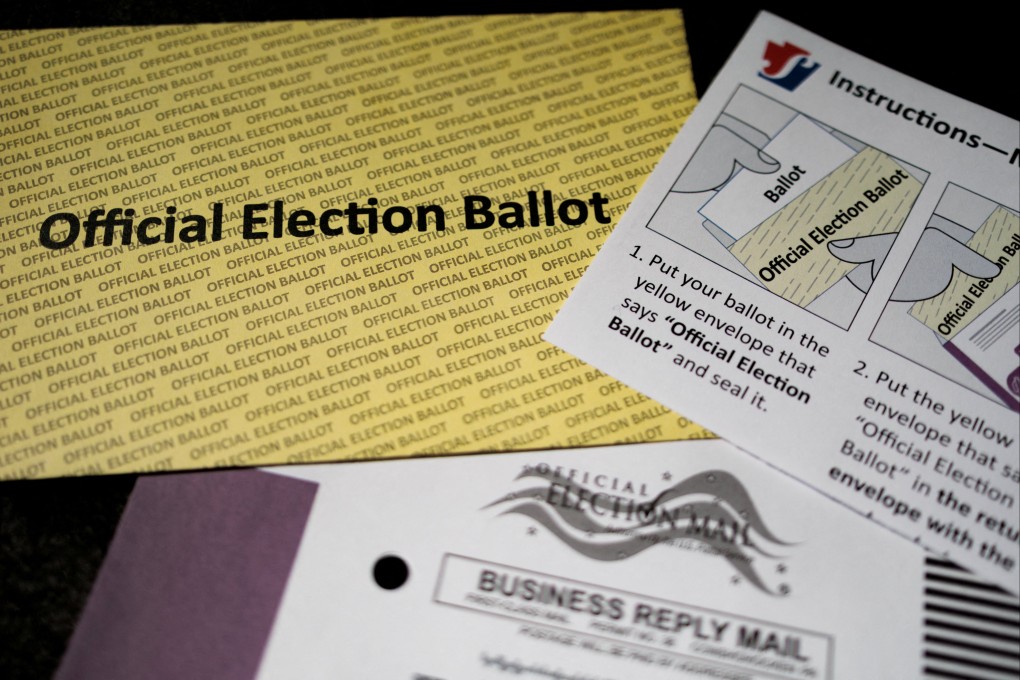
The Trump administration's request to the Supreme Court comes as part of a broader effort to reshape mail-in voting regulations ahead of the midterm elections.
The executive order mandates the creation of a “state citizenship list” to determine eligible voters, limiting mail ballots to those identified on the list.
Solicitor General D. John Sauer has argued that the lower court's ruling blocking the order is “indefensible,” and the Justice Department is seeking to pause these decisions while litigation continues.2
Democratic officials in 23 states and the District of Columbia have challenged the executive order, asserting that the Constitution grants states and Congress the authority to regulate election rules.
A judge in Massachusetts has already blocked the executive order, a ruling upheld by a divided panel of the 1st U.S. Circuit Court of Appeals.1
The Supreme Court previously ruled against the Trump administration regarding mail-in ballots, allowing states to count ballots arriving after Election Day.
Trump has framed these proposed changes as necessary safeguards to prevent non-U.S. citizens from participating in elections, with potential federal funding penalties for non-compliant states.3
As the legal battles unfold, the implications of these restrictions could significantly impact voter access and the upcoming elections.
“A judge in Massachusetts has blocked the executive order for the plaintiff states, with a divided 1st U.S. Circuit Court of Appeals panel upholding her ruling. Additionally, federal funding could be withheld from states and localities that do not comply with the court's decisions.”
 OregonLive.com