- The Trump administration has signed a nuclear accord with Saudi Arabia, allowing the kingdom to build nuclear reactors using American technology and to enrich uranium, which has raised concerns in Israel about a potential arms race in the Middle East.
- This deal jettisons longstanding US demands that Saudi Arabia normalize relations with Israel in exchange for receiving American nuclear technology for civilian energy programs.
- Israeli officials, including former Prime Minister Naftali Bennett, have expressed fears that the deal could lead to a Mideast arms race, stating that nuclear enrichment on Saudi soil poses a serious threat to Israel's security.
- The nuclear agreement has been in the works for years, with both the Trump and Biden administrations pursuing it, but previous attempts were hindered by concerns from nonproliferation groups.
- Critics argue that the deal could provide Saudi Arabia with a path to develop nuclear weapons, as it reportedly allows the kingdom to enrich uranium on its own soil without strict enforcement measures.
- Democratic congressman Ro Khanna criticized the agreement as a giveaway to the Saudis that could destabilize the region and fuel ambitions from Iran.
The Trump administration's nuclear accord with Saudi Arabia allows the kingdom to develop a civilian nuclear program and enrich uranium, a move that has sparked fears of a regional arms race, particularly in Israel.1
Critics, including former Israeli Prime Minister Naftali Bennett, argue that the deal represents a strategic failure for Israel, potentially leading to a dangerous loss of control in the region. Bennett stated, "Nuclear enrichment on Saudi soil could lead to a regional nuclear race".3
Former defense minister Avigdor Lieberman echoed these concerns, warning that the civilian nuclear program could ultimately result in nuclear weapons and a "crazy arms race throughout the entire Middle East".
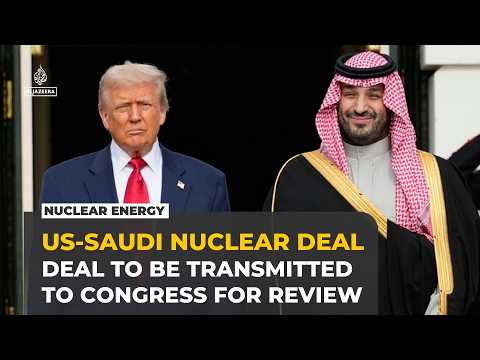
The agreement, which still requires Congressional approval, marks a significant shift in U.S. policy, as past administrations insisted on Israeli concessions before granting nuclear technology to Saudi Arabia.
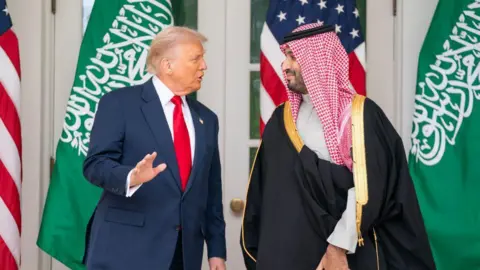
President Trump has been criticized for bypassing these traditional demands, with Democratic Congressman Ro Khanna labeling the deal a "giveaway to the Saudis" that could destabilize the region further.6
The deal also allows Saudi Arabia to enrich uranium on its own soil, raising alarms about the potential for military nuclear development in the future.
U.S. Energy Secretary Chris Wright stated that the agreement would enhance national security and uphold nuclear safety standards, but analysts warn it could alienate Israel and embolden Iran.
As tensions with Iran continue, the U.S. appears to be prioritizing its relationship with Saudi Arabia, signaling a willingness to overlook Israeli concerns in favor of maintaining regional alliances.
“The deal reportedly lacks strict enforcement measures and allows Saudi enrichment of uranium on home soil, prompting warnings of a nuclear arms race. Israeli opposition leaders Bennett and Lieberman condemned it as a serious strategic failure.”

 BBC
BBC



