- The Trump administration has paused global visa appointments for training, impacting many applicants.
- Immigrant visa applicants with scheduled interviews are receiving notices that their appointments are being rescheduled, with new dates to follow.
- The disruption has created uncertainty about interview timing and whether documents tied to existing appointment dates will need updating.
- Experts warn that Asian countries with the largest number of pending applications will likely be hit the hardest.
- The pause could push Asian workers and families already facing years-long waits into deeper uncertainty amid tighter legal immigration measures.
- Asian applicants could be especially affected in countries with large visa pipelines and crowded consular calendars.
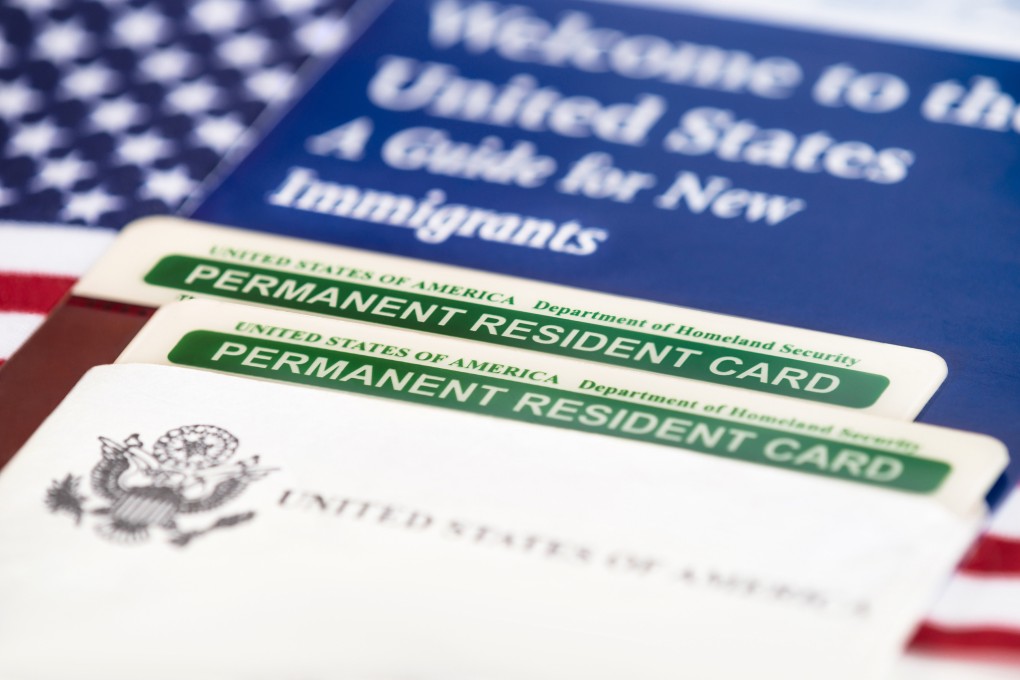
The US State Department's recent decision to pause global visa appointments for consular officer training has raised concerns among immigrant applicants, particularly in Asia, where visa backlogs are significant.
The training initiative aims to enhance the screening process for applicants, ensuring they are evaluated “comprehensively and consistently”. However, the department has not disclosed the training's scope or duration, leading to confusion among applicants.
Reports indicate that many immigrant visa applicants have begun receiving notifications about rescheduled interviews, leaving them uncertain about the timing and whether their supporting documents—such as police clearances and medical checks—will need to be updated.23
“It’s not clear if this is being handled embassy by embassy or centrally,” noted Russell A. Stamets, a partner at the New Delhi-based law firm Circle of Counsels.
The pause is particularly concerning for Asian applicants, who already face lengthy waits for US visas. Experts warn that the disruption could exacerbate existing delays, pushing applicants deeper into uncertainty as the Trump administration continues to tighten legal immigration through new screening measures and increased costs.
“The training aims to help officers screen out applicants likely to become dependent on US public benefits, but its scope and duration remain unspecified. Experts say Asian countries with the largest pending applications will likely be hit hardest, though it's unclear if handling is centralized or per embassy.”
 South China Morning Post