- Trump has imposed a new 12.5% tariff on Singapore, citing violations of a forced labor ban.
- The global tariff affects 60 economies and has drawn significant rebukes from trade partners.
- Singapore's government has pushed back against the US tariffs, labeling them as unjustified.
- Singapore has rejected claims of engaging in unfair trade practices, including forced labor.
- Experts anticipate lawsuits against the US tariffs once they take effect.
- U.S. trading partners have largely rejected the forced-labor rationale behind the tariffs.
The Trump administration's new 12.5% tariff on Singapore is part of a broader strategy to enforce trade policies against countries accused of using forced labor. The Office of the U.S. Trade Representative claims this measure addresses failures to enforce bans on goods produced with forced labor, impacting 60 economies.
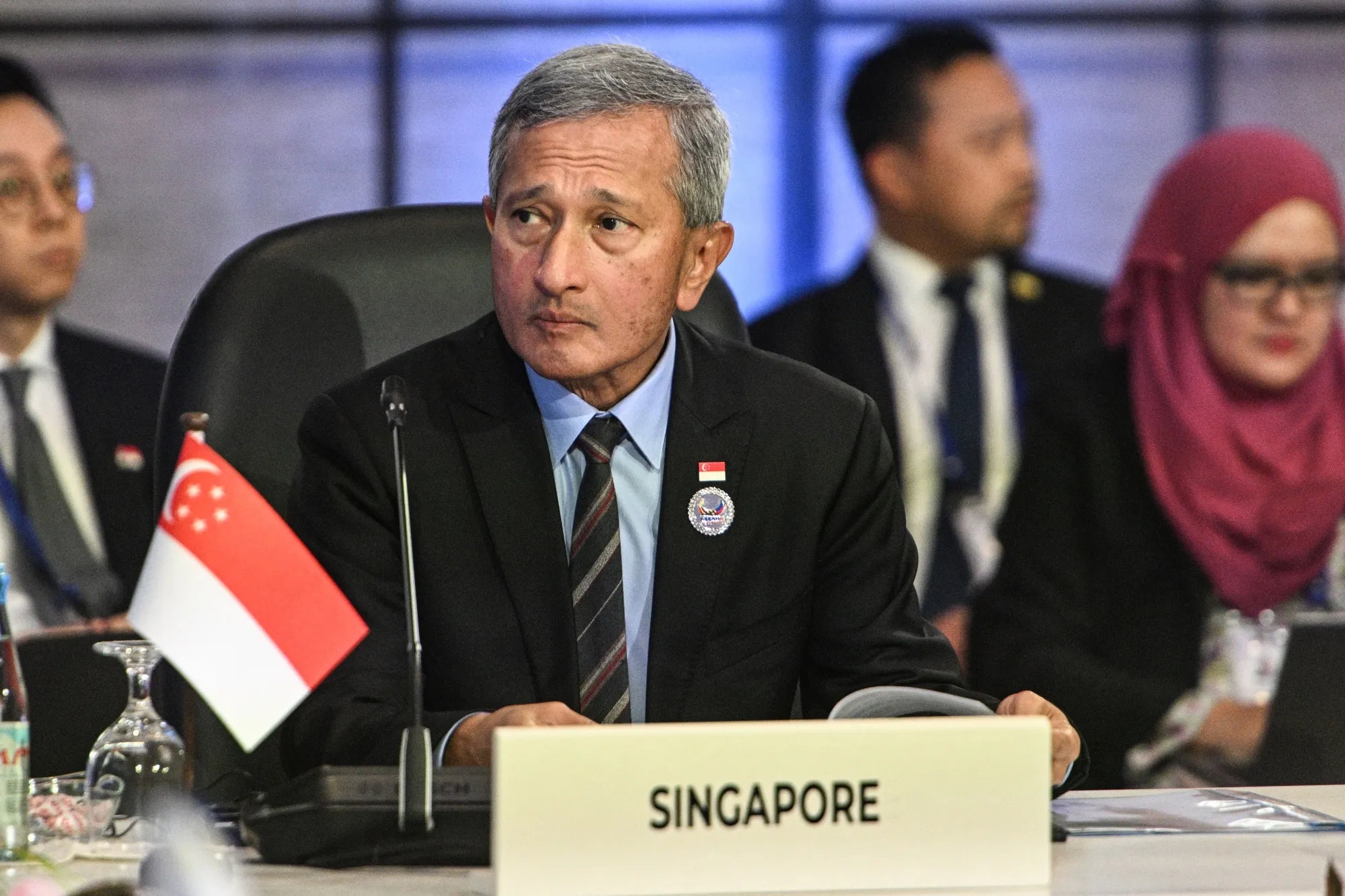
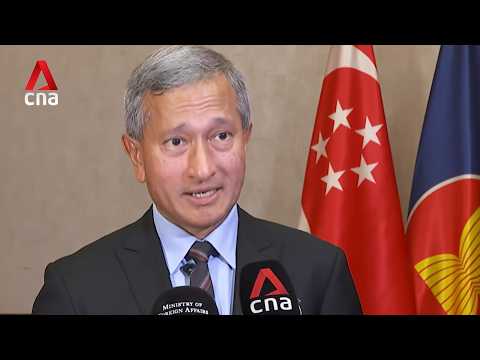
Singapore's Foreign Minister Vivian Balakrishnan criticized the tariff, stating there is no economic justification for such measures, especially given that the U.S. maintains a trade surplus with Singapore. He expressed concerns about Singapore becoming “collateral damage” in U.S. trade policy.
The tariff replaces a temporary 10% levy that was enacted after a Supreme Court ruling deemed previous tariffs unlawful. The new tariff is expected to face legal challenges, as experts argue it stretches the law beyond its intended purpose. “These tariffs are unjustified, inconsistent with our free trade agreement, and should be removed,” stated Australian Trade Minister Don Farrell.

Despite the backlash, most U.S. trading partners, including Brazil and Chile, have opted for negotiation rather than retaliation. Brazil's government indicated it would seek alternative markets if negotiations fail, while Canada expressed a willingness to engage constructively on the issue.6
The tariffs cover 99.4% of American imports, with the U.S. aiming to pressure other nations into adopting its bans on forced labor goods, particularly those linked to China.
“Singapore's foreign minister Vivian Balakrishnan said there is no economic justification for the tariffs, noting the US runs a trade surplus with Singapore. Australia's trade minister Don Farrell called the tariffs 'unjustified' and inconsistent with the free trade agreement, while Brazil's president said he remains open to negotiations.”

 CNBC
CNBC



