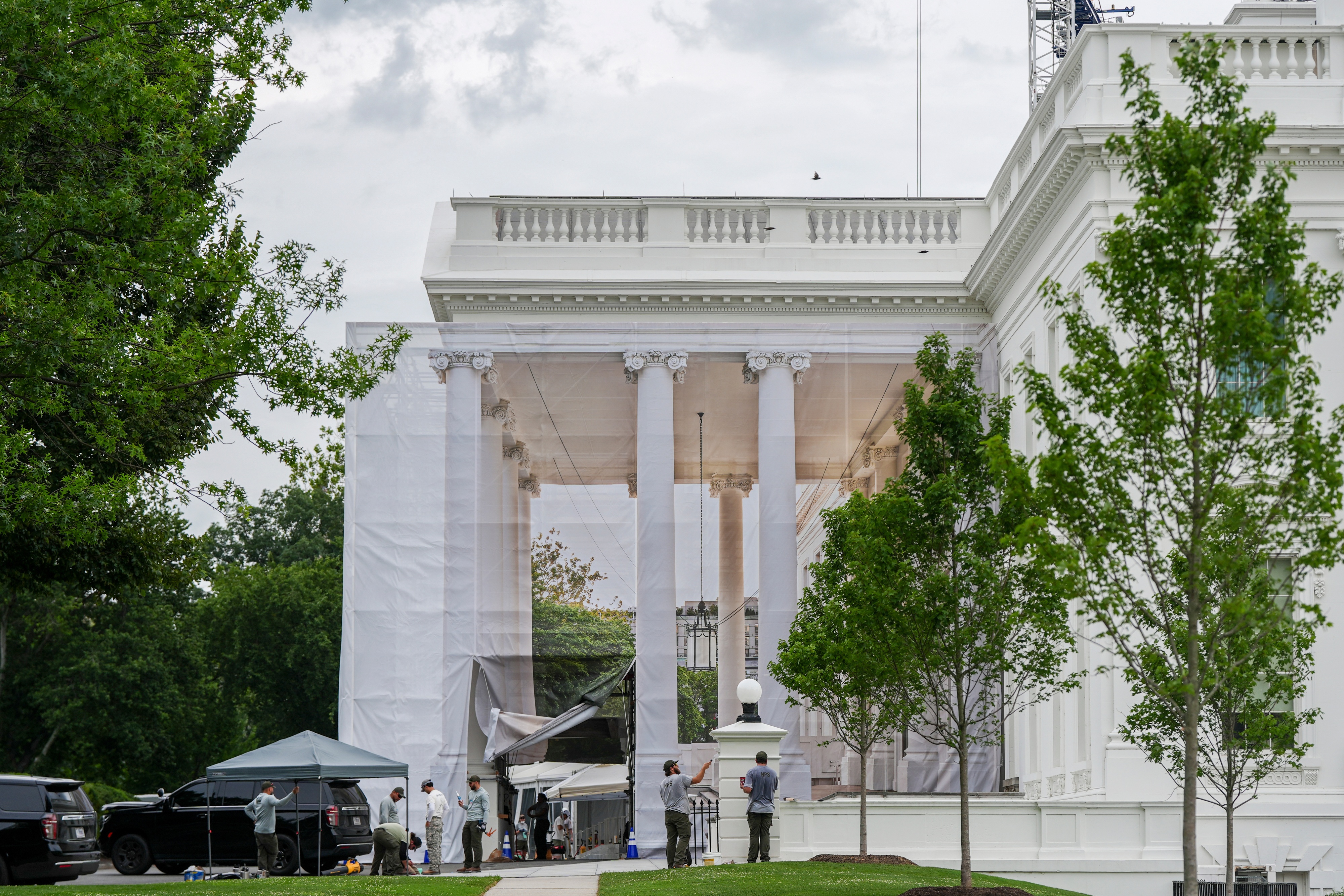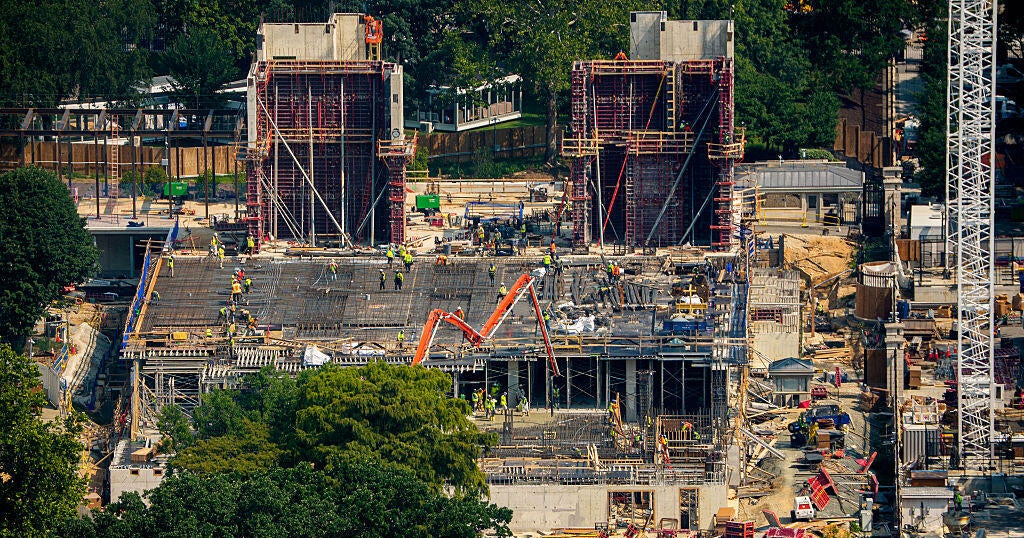
- The Trump administration has asked the US Supreme Court to allow construction of his controversial $400 million White House ballroom to proceed after an appeals court work to halt.
- The DC Circuit Court of Appeals ruled that the project lacked the necessary approval from US Congress and directed Trump to halt work on the above-ground portions of the ballroom.
- The appeals court paused its decision for 14 days to allow time for Trump to appeal.
- In a filing, the Trump administration asked the Supreme Court justices to keep the appeals court decision on hold while it prepares a full appeal.
- The case was brought last year by the National Trust for Historic Preservation, which argued that Congress has not ceded unfettered authority to the Executive Branch to dramatically redesign the White House.
- The DC Circuit Court stated that whether a massive ballroom should be constructed is for Congress to decide and is not a matter for Executive self-help.
- US Solicitor General John Sauer argued that the ballroom construction is absolutely required for the president's safety, citing threats to Trump's life.
- The ballroom project is estimated to be approximately 89,000 square feet, significantly larger than the primary White House structure.
The Trump administration's request to the Supreme Court comes after a DC Circuit Court of Appeals ruling that halted the $400 million ballroom project, stating it lacked Congressional approval.268
US Solicitor General John Sauer emphasized the need for the ballroom, citing threats to Trump's life and national security.
The appeals court's decision, which paused the implementation for 14 days, noted that the construction of the ballroom is a matter for Congress, not the Executive Branch.3
“The entire ballroom structure is designed to shield the military installation beneath it,” Sauer argued, asserting that halting the project jeopardizes the safety of the President and future leaders.
The court's ruling allowed for the continuation of a bunker beneath the ballroom, but the administration contends this is insufficient for security needs.

“The injunction is ‘judicial overreach beyond the proper province of the federal courts,’” Sauer stated, as the administration prepares a full appeal.
This case marks the first time one of Trump's projects has reached the Supreme Court, highlighting the ongoing tension between presidential authority and Congressional oversight regarding significant expenditures and constructions at the White House.
“The DC Circuit's 2-1 ruling said the project lacked congressional approval, but allowed the underground bunker to continue. Solicitor General John Sauer argued the ballroom is 'absolutely required' for the president's safety, noting recurrent assassination attempts.”
 CBS News
 The Guardian