- One fatality was reported due to Tropical Storm Lala – a woman who had been reported missing in Naalehu and then found dead on Monday.
- Nearly 104,000 customers were without power as of Monday afternoon, according to the Hawaiian Electric utility.
- Tropical Storm Lala caused extensive damage to the Big Island’s power transmission system.
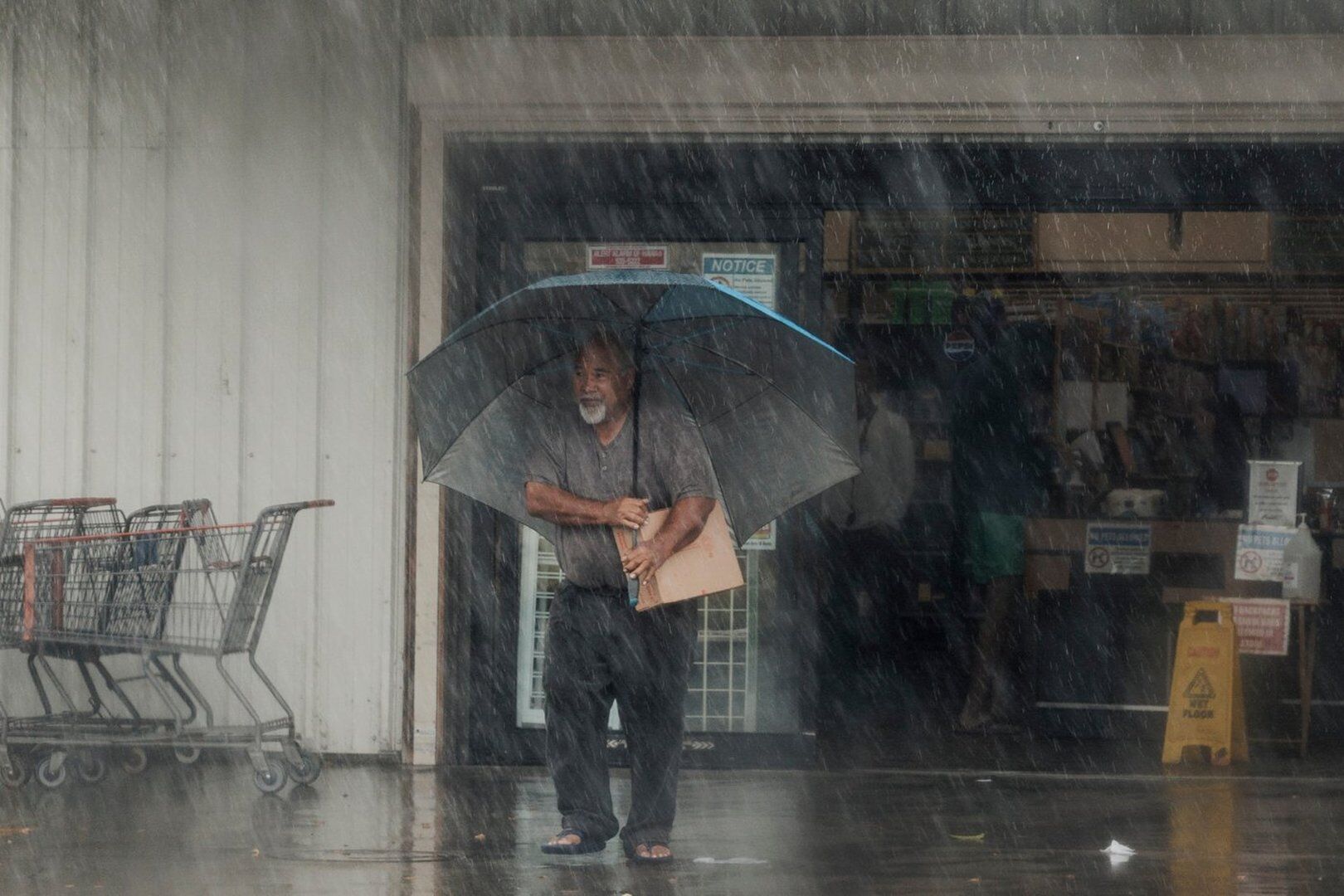
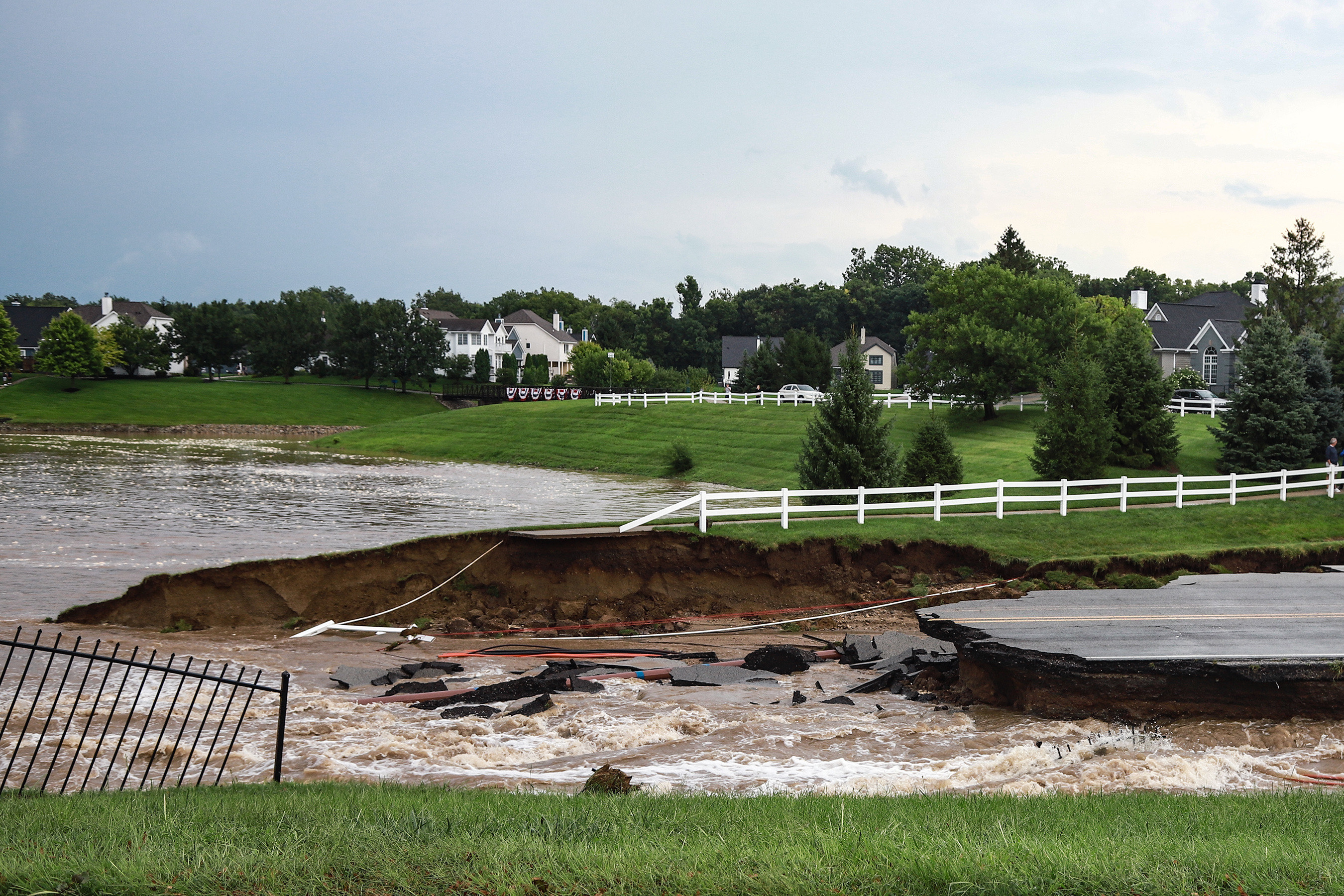
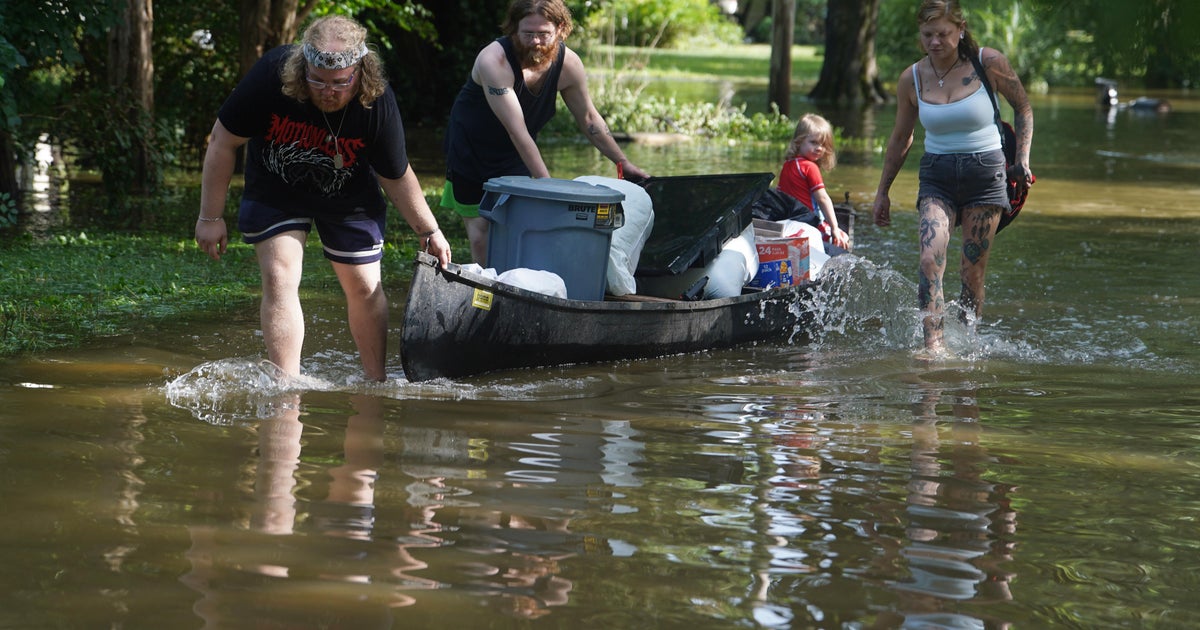
- Thousands were without power after Tropical Storm Lala uprooted trees from downtown Honolulu to the Big Island, where intense flash-flooding and strong winds isolated already-remote communities.
- Gov. Josh Green expressed hope that the area would become accessible within days, and not weeks or longer.
Tropical Storm Lala has wreaked havoc across Hawaii, resulting in one confirmed fatality and leaving nearly 104,000 customers without power. The storm's impact was particularly severe on the Big Island, where extensive damage to the power transmission system was reported by Hawaiian Electric.3
Officials confirmed that a woman, previously reported missing in Naalehu, was found dead on Monday, marking the storm's tragic toll. The storm's winds and flash flooding uprooted trees from downtown Honolulu to remote areas of the Big Island, isolating communities and causing significant infrastructure challenges.
Authorities reported that approximately 100 homes were swept from their foundations, highlighting the storm's destructive force. Governor Josh Green expressed hope that affected areas would become accessible within days, rather than weeks, as recovery efforts begin.5
As of Monday afternoon, the Hawaiian Electric utility reported that nearly 104,000 customers were still without power, underscoring the widespread impact of the storm. The situation remains critical as recovery teams assess the full extent of the damage and work to restore services.
“As of Monday afternoon, nearly 104,000 customers were without power due to extensive damage to the Big Island's power transmission system. Gov. Josh Green expressed hope that affected areas would become accessible within days, as strong winds and flash flooding isolated remote communities.”

 The Globe and Mail