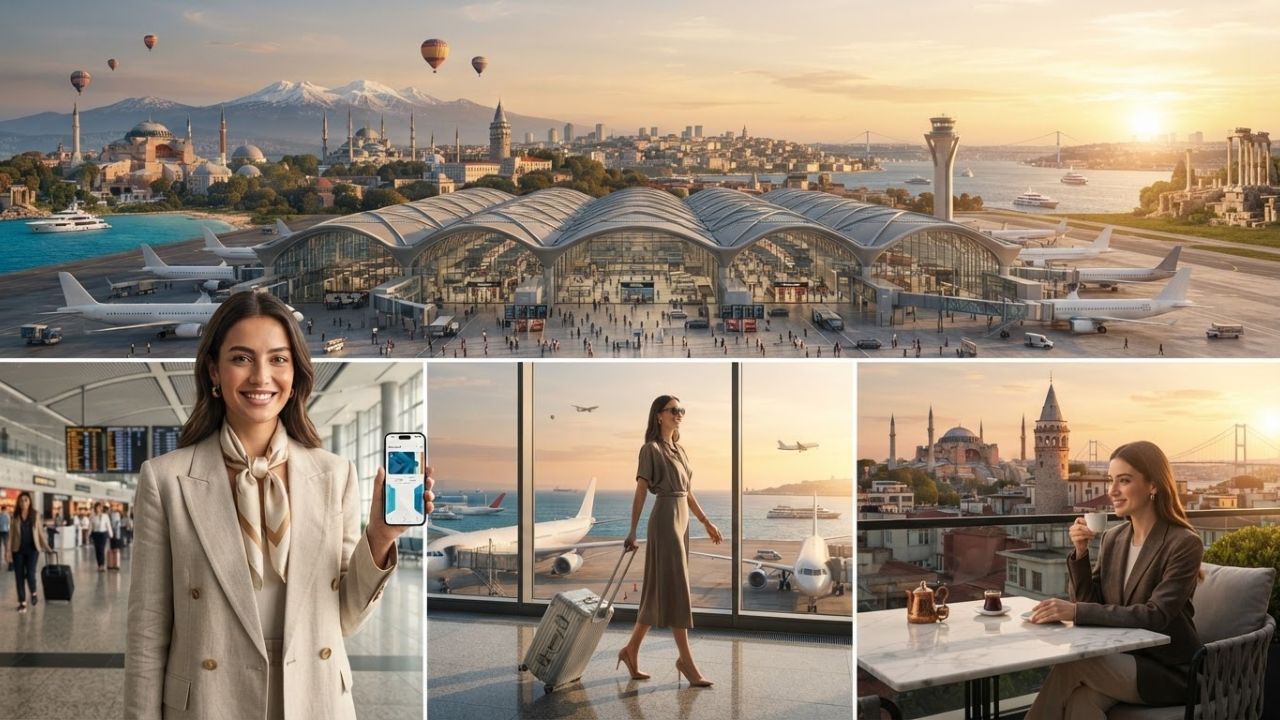
- Istanbul Airport expands its long-haul routes and unlocks airline capacity for key markets including Russia, the United Kingdom, and India.
- This aviation-driven expansion is transforming the country's tourism landscape, opening up new travel opportunities and smoother transit choices for holidaymakers from North America, Europe, Asia, and the Gulf region.
- New airline slots allow airlines to plan services from countries where Türkiye sees strong visitor potential.
- Russia remains one of Türkiye's most important tourism partners, with millions of Russian visitors traveling for beach holidays, family vacations, and cultural experiences.
- The UK is a vital market contributing to the accommodation, dining, and entertainment sectors, with British holidaymakers showing high demand for coastal resorts and luxury experiences.
- India represents a major long-haul opportunity driven by rising disposable incomes and expanding travel demand.
- Several G20 economies form the foundation of Türkiye's aviation-led expansion, including Russia, Germany, the United Kingdom, India, China, the United States, Japan, South Korea, and Australia.
- Over the coming months, airlines are expected to continue introducing new routes and increasing flight frequencies using the newly unlocked capacity.
- The route expansion supports local hotel demand and hospitality businesses in Istanbul, Cappadocia, Antalya, Bodrum, Izmir, and the Turkish Riviera.
- Tourism authorities will focus on converting transit passengers into stopover tourists, encouraging them to stay in Istanbul before proceeding to their final destinations.
- Demand pressure on hospitality increases demand for hotels, restaurants, tour operators, and shopping centers in major hotspots like Cappadocia and Antalya.
- Istanbul Airport gives Türkiye the infrastructure needed to compete with other major aviation hubs by attracting airlines, increasing flight choices, and improving access for travellers worldwide.
Türkiye is positioning Istanbul Airport as a pivotal hub for international travel, significantly expanding its long-haul routes to attract tourists from Russia, the United Kingdom, India, and other key markets. This expansion is expected to enhance the country's tourism landscape and support local hospitality sectors.14612
The airport's strategic design focuses on long-haul aviation, allowing airlines to introduce new routes and increase flight frequencies. With the availability of new slots, airlines can better serve countries with strong visitor potential, including Germany, China, the United States, Japan, South Korea, and Australia.
As a result, millions of tourists are anticipated to visit Türkiye, particularly from Russia, which remains a crucial market for beach holidays and cultural experiences. The UK also plays a vital role, with British travelers showing high demand for luxury experiences in coastal resorts.
The expansion is not just about increasing flight options; it also aims to convert transit passengers into stopover tourists, encouraging them to explore Istanbul before heading to their final destinations. This strategy is expected to boost local hotel demand and hospitality businesses in popular regions like Cappadocia, Antalya, Bodrum, and the Turkish Riviera.
Overall, Istanbul Airport's growth is set to transform Türkiye's tourism sector, making it a competitive player in the global aviation market.
“Chinese tourists show strong interest in historical destinations, while India represents a major long-haul opportunity driven by rising disposable incomes. Tourism authorities plan to convert transit passengers into stopover tourists to further boost spending.”




