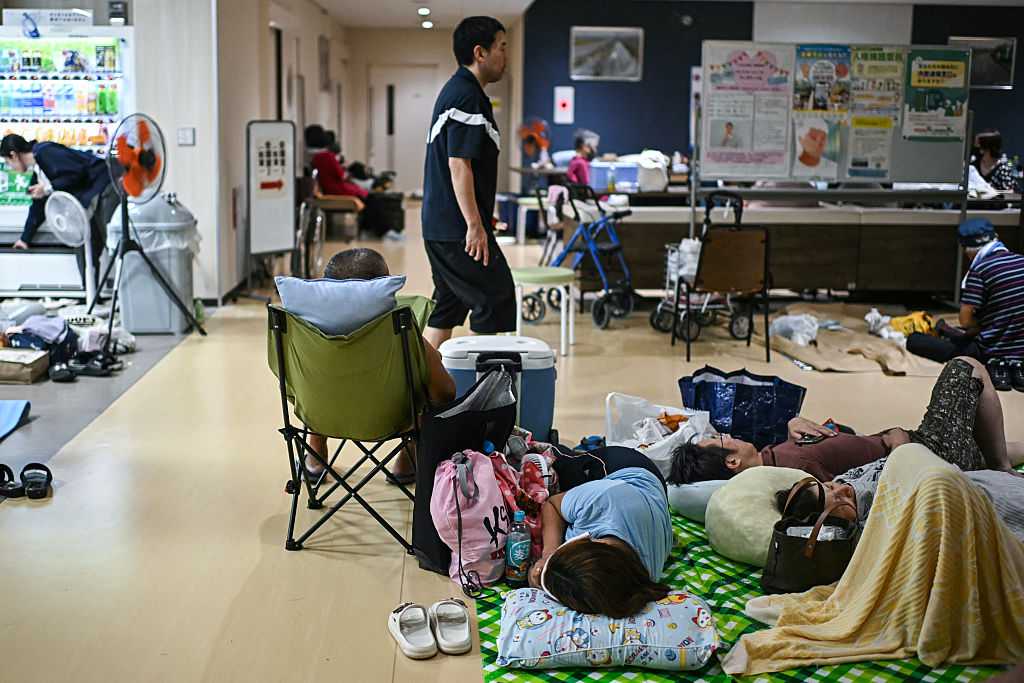
- A 6.8-magnitude earthquake hit Japan's southern Kumamoto prefecture, prompting thousands of emergency responders to mobilize for search, rescue, and relief efforts.
- The recent quake left at least 13 people dead as of Wednesday, with fears that more could be trapped under collapsed infrastructure.
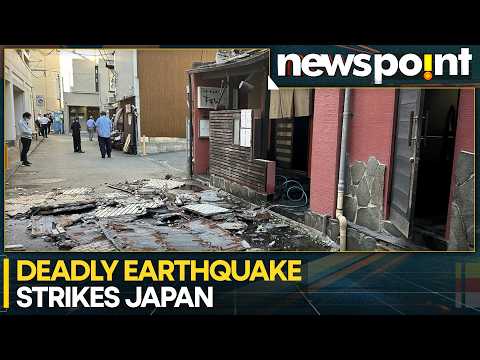
A 6.8-magnitude earthquake struck Japan's Kumamoto prefecture, claiming at least 13 lives and prompting a swift emergency response. The quake, which occurred on Tuesday, may have been exacerbated by a gas leak that caused explosions, trapping many individuals in partially collapsed structures.1
Japan, situated on the Pacific 'Ring of Fire', is no stranger to seismic activity, with a history of devastating earthquakes. The nation has invested billions into quake detection technology and infrastructure designed to withstand such disasters. This preparedness was evident as thousands of emergency responders mobilized for search and rescue operations following the quake.
The 2011 Tohoku disaster, which resulted in nearly 20,000 deaths and the Fukushima nuclear meltdown, remains a stark reminder of the potential devastation earthquakes can cause. Experts estimate a 70% to 80% chance of another major quake occurring in the Nankai Trough region within the next 30 years, with expected magnitudes between 8 and 9.
As Japan continues to face these challenges, the recent earthquake serves as a critical reminder of the ongoing risks associated with living in one of the world's most seismically active regions.
“The recent quake has left at least 13 people dead, with fears that more could be trapped under collapsed infrastructure. Authorities are investigating a possible gas leak as a cause of explosions that contributed to the destruction.”



 WMUR
WMUR