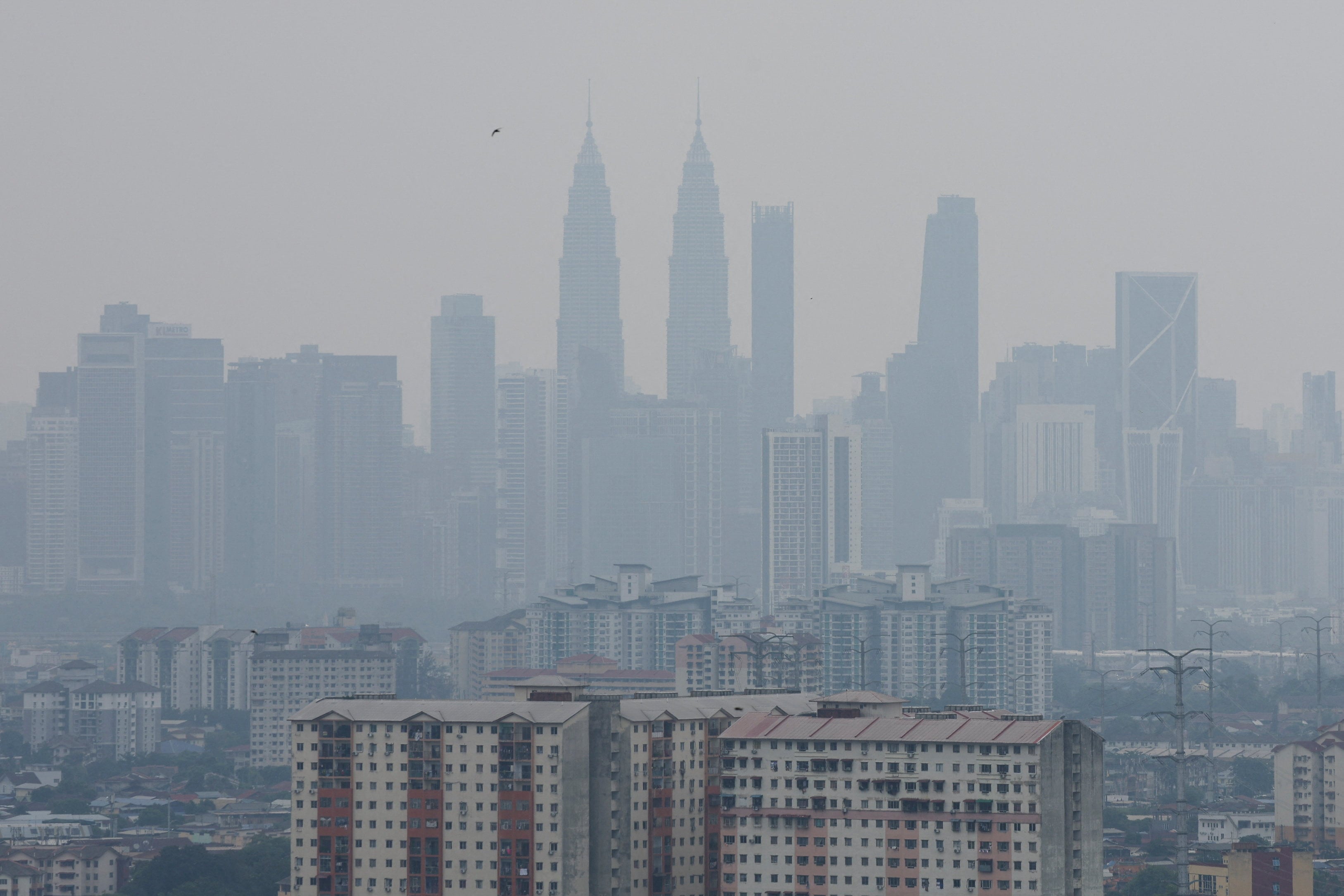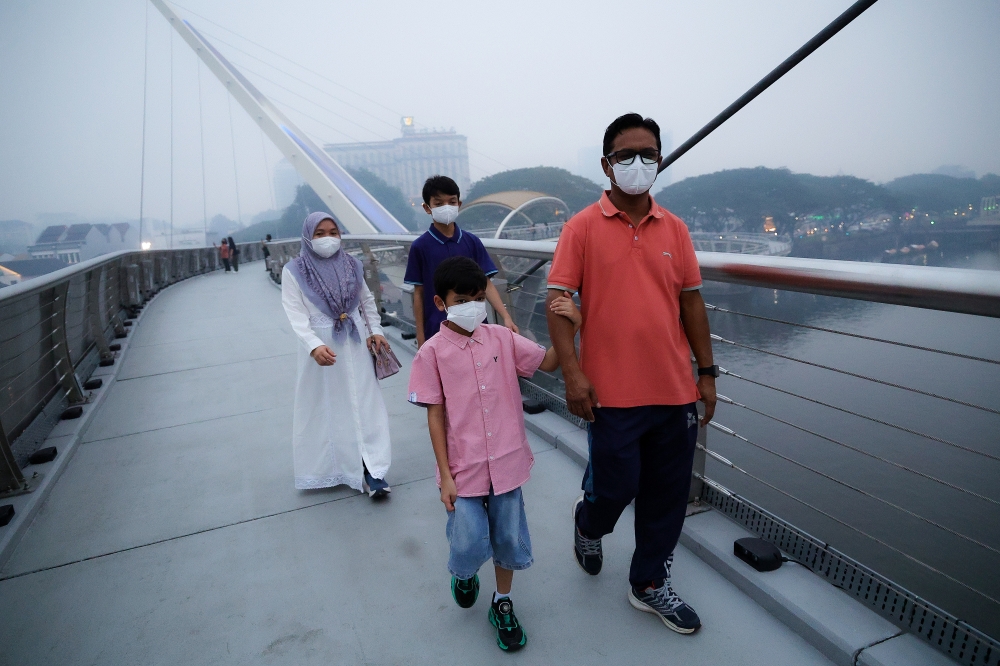
- Sarawak has been among the worst-affected areas in the latest haze episode, as smoke from Indonesian forest and land fires drifts across the border.
- The Ministry of Health (MOH) is monitoring the increase in cases of acute respiratory tract infections (URTI) and conjunctivitis in Sarawak following the haze conditions.
- Deputy Health Minister Datuk Hanifah Hajar Taib said continuous monitoring is carried out through health facilities to ensure any increase in haze-related cases is dealt with immediately.
- Residents report mask shortages and severe symptoms like sneezing and watery eyes.
- Sarawak authorities say cloud-seeding operations could begin as early as Thursday if the weather allows.
- Based on monitoring by the Sarawak State Health Department (JKN), average URTI cases increased from about 1,717 to 1,752 cases per week.
- Conjunctivitis cases increased from an average of about 17 to 21 cases per week, while overall asthma activity remains stable.
- MOH is constantly monitoring the situation and ensuring facilities and health workers are prepared for a potential increase in cases due to the haze.
- The public, especially at-risk groups such as children, the elderly, and individuals with respiratory problems, should take precautions when air quality is unhealthy.
- Local pharmacist Dawi Bakri, 31, said demand for masks had risen significantly since the haze worsened, making it difficult to maintain sufficient stocks.
- Md Khairulanwar Asri, 33, an occupational therapist at Sarawak Heart Centre, warned that poor air could hit people with existing heart or respiratory conditions.
- Khairulanwar said "People exposed to poor air quality could experience coughing, throat and eye irritation, and shortness of breath", and these symptoms can affect endurance and ability to carry out daily activities.
Sarawak is facing a health crisis as the Ministry of Health (MOH) monitors a surge in respiratory infections and conjunctivitis due to hazardous haze conditions.127
The average cases of acute respiratory tract infections (URTI) have risen from 1,717 to 1,752 per week, while conjunctivitis cases increased from 17 to 21 weekly.6
Deputy Health Minister Datuk Hanifah Hajar Taib emphasized the need for continuous monitoring, stating, “MOH is constantly monitoring the current situation including the trend of patient arrivals at health facilities.”3
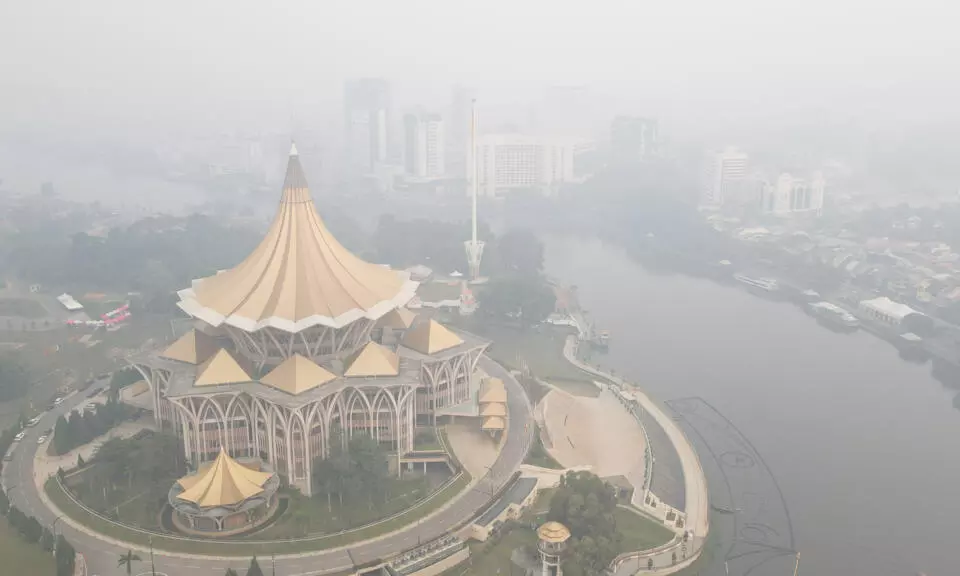
In Sarawak, six districts, including the capital Kuching, reported hazardous Air Pollutant Index (API) levels, with Kuching reaching 407.
Residents are struggling with mask shortages, as local pharmacist Dawi Bakri noted, “All types of masks have been selling faster than usual.”410
Ivana Mason, a local resident, expressed her distress, saying, “If I do [go outside], I can literally taste the smoke in my mouth.”
Health experts warn that poor air quality can exacerbate conditions for vulnerable populations, including the elderly and those with pre-existing health issues.9
Sarawak has been severely impacted by smoke from Indonesian forest fires, prompting authorities to consider cloud-seeding operations to alleviate the situation.5
“URTI cases in Sarawak rose from about 1,717 to 1,752 per week, while conjunctivitis increased from 17 to 21, according to JKN monitoring. Pharmacist Dawi Bakri said 'all types of masks have been selling faster than usual,' and cloud-seeding could begin as early as Thursday.”
 Malay Mail
 Deccan Chronicle