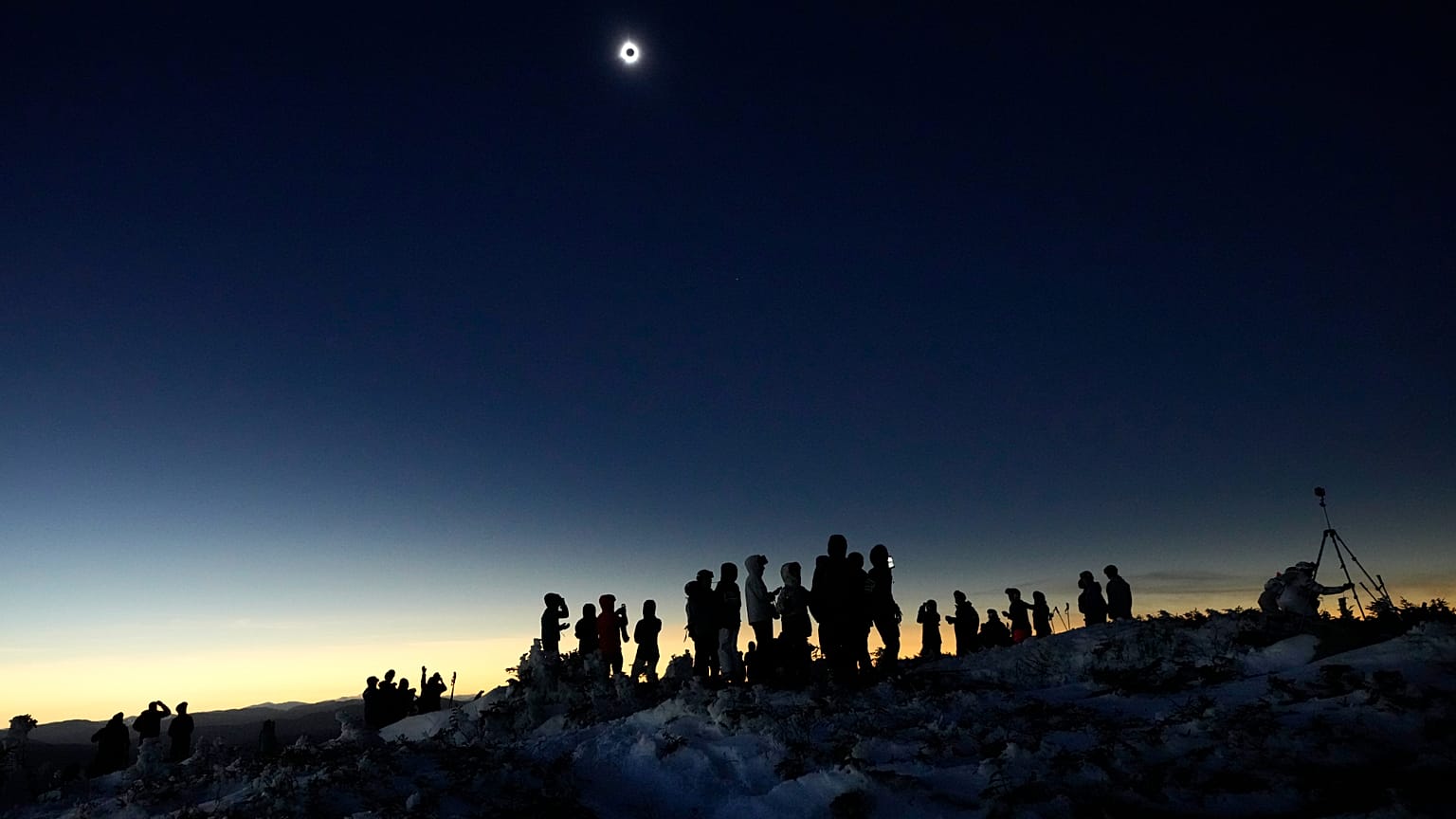
- Total solar eclipse will be visible on Wednesday evening across a wide band of north and central Spain, plus parts of Portugal, Greenland, and Iceland, while a partial eclipse will be seen across much of western Europe, including the UK.
- This total eclipse is the first in mainland Europe in two decades, with the last such event visible from the UK occurring in 1999.
- In Spain, the total eclipse will peak between 20.26 and 20.33 local time, shortly before sunset, while in the UK, the partial eclipse will begin for London viewers at 18.17 BST, reach maximum at 19.13 BST, and end at 20.06 BST.
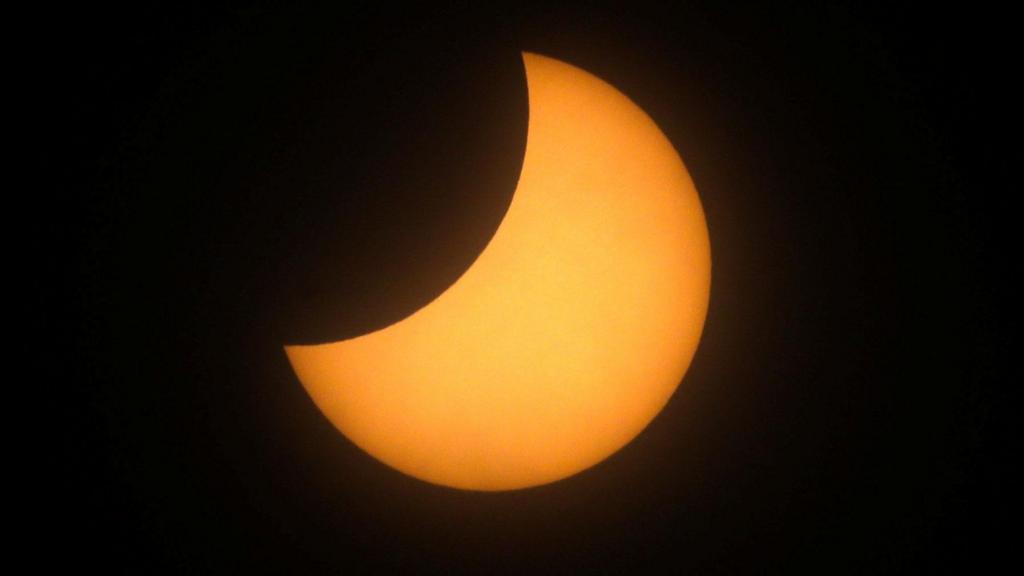
- Dr Carys Herbert noted that people in Cornwall would experience about 96% coverage, those in the west of Scotland 93%, and those in London about 92%.
- The 1919 solar eclipse was significant as it helped confirm Einstein's theory of general relativity.
- A partial lunar eclipse will be visible in the UK just after 5.00am BST on 28 August, described as a blood moon.
- Eclipses provide scientific opportunities to study the sun's outer atmosphere and its chemistry over the solar cycle.
A total solar eclipse will occur on Wednesday evening, captivating millions across Europe. Spain will witness totality, while the UK will experience 92-96% coverage, marking the first total eclipse in mainland Europe in two decades.1
Dr. Megan Argo, an astrophysics expert, explained, "The moon and sun have to line up precisely for the moon to fully cover the sun." The eclipse will peak in Spain between 20:26 and 20:33 local time, while in the UK, it will begin at 18:17 BST, reaching maximum coverage at 19:13 BST.
Dr. Carys Herbert from the Royal Observatory Greenwich noted that Cornwall will see about 96% coverage, with London at 92%. She advised viewers to find a clear view of the western horizon for optimal viewing.4
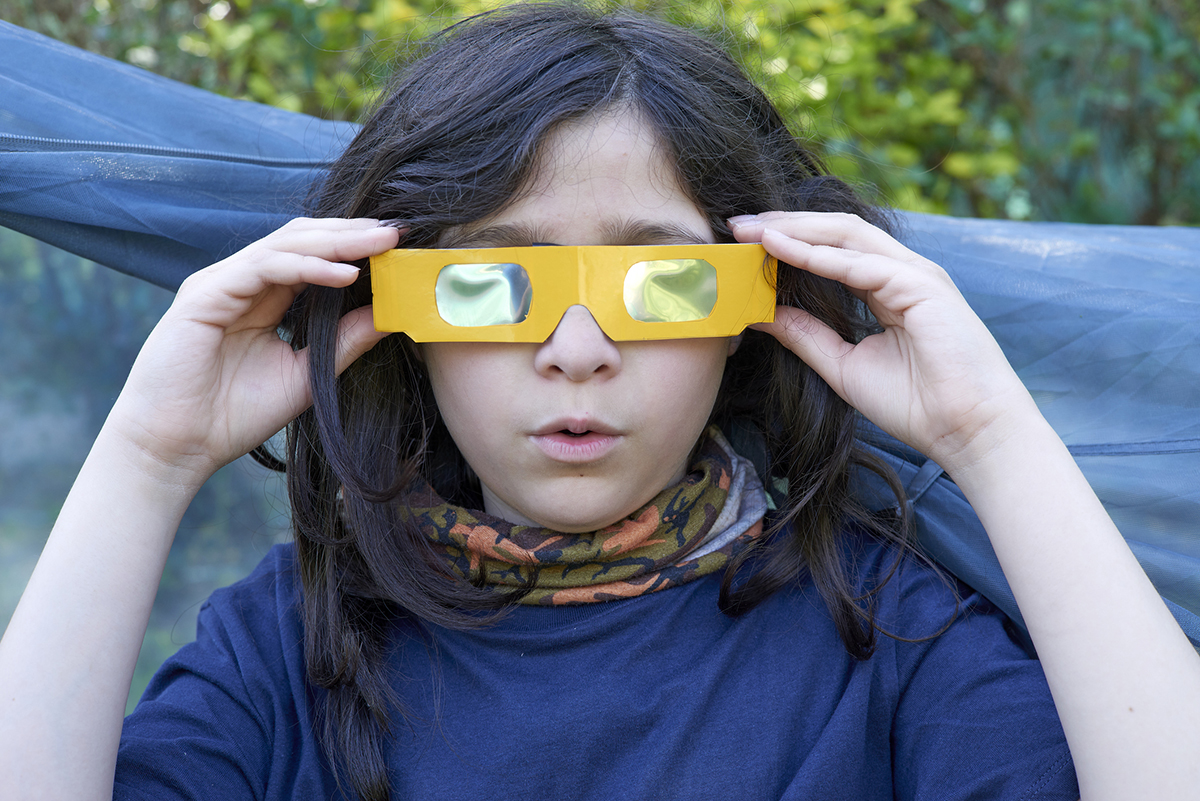
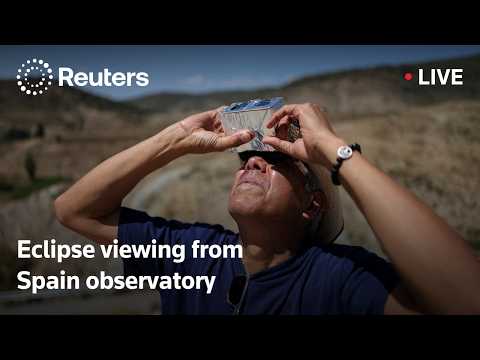
Experts warn against looking directly at the sun without proper protection, recommending eclipse glasses or a pinhole projector for safe viewing.
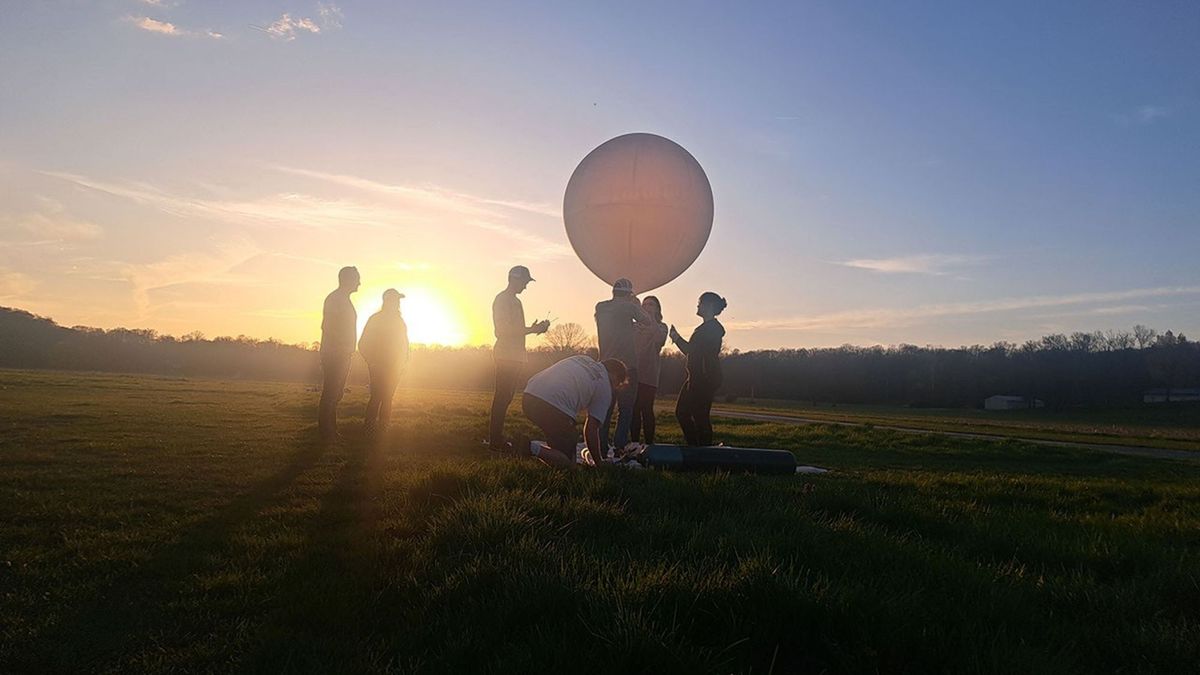
This event is significant not only for its rarity but also for its scientific value, as eclipses allow researchers to study the sun's outer atmosphere.
The last total solar eclipse visible in the UK occurred in 1999, with the next not expected until 2090.2
“The eclipse offers scientific opportunities, including studying the sun's corona and its 11-year cycle, and echoes the 1919 eclipse that confirmed Einstein's relativity. A partial lunar eclipse, dubbed a 'blood moon', will follow in the UK on 28 August.”




 The Guardian