- Toronto is looking to ban surveillance pricing in grocery stores, a practice that uses shoppers' data to charge different prices for the same products.
- Mayor Olivia Chow is introducing a motion to ban surveillance pricing for groceries and other essentials.
- Mayor Olivia Chow wants to know whether Toronto can ban the use of surveillance pricing, calling it “price gouging” and saying “We need to protect Torontonians from this.”
- Other Canadian jurisdictions like Manitoba and Quebec have taken steps against this practice, and federal legislation Bill C-36 aims to ensure responsible use of personal information, though experts say its effectiveness is unclear.
- Chow has asked staff to “identify all possible mechanisms” to ban or regulate surveillance pricing in grocery stores, both online and in-store.
- Chow’s motion calls for “at minimum” plain-language disclosure to consumers when grocers use their data, will be debated later this month, and if passed a report on a possible ban is due at the beginning of next year.
- Surveillance pricing is defined as a practice where businesses adjust what they charge customers based on their personal data.
- Surveillance pricing, also called algorithmic or personalized pricing, uses individual consumer data to determine the maximum each person is willing to pay, raising concerns about fairness, privacy, and transparency.
- Technology analyst Carmi Levy says the lack of transparency in surveillance pricing means consumers do not know when it is happening or what data is used, leading to distrust and a sense of playing a rigged game.
- Unlike dynamic pricing, which adjusts based on broad factors like demand or weather, surveillance pricing uses data tied to a specific individual to set that person's price.
- Some stores use RFID electronic shelf labels that can be changed dynamically; while these could enable surveillance pricing, there is a lack of evidence on how exactly it is being implemented.
- Student and senior discounts are transparent and apply to all qualifying members, unlike surveillance pricing which is hidden and individualized.
- Associate professor Dan Cohen describes the prevalence of surveillance pricing as a "black box" with little regulation and limited information.
Toronto Mayor Olivia Chow is pushing to ban surveillance pricing in grocery stores, a practice that adjusts prices based on individual consumer data. Chow argues this method, which can lead to price gouging, undermines fairness and transparency in pricing.12341115
“With surveillance pricing, the price change depends on who you are and when you shop,” Chow stated at a press conference. She emphasized the need to protect Torontonians from such practices, which can exploit personal data like search history and location.10
Experts, including Carmi Levy, highlight the lack of transparency surrounding surveillance pricing, stating, “It doesn’t necessarily mean higher prices, but the fact that there’s so little transparency means that beleaguered consumers... tend to think the worst.”121314
Chow's motion calls for a minimum plain-language disclosure when personal data is used to calculate grocery bills. This proposal will be debated at council later this month, with a report on the feasibility of a ban expected early next year.
The issue is gaining traction beyond Toronto, with Manitoba recently enacting a ban on the practice, and similar proposals emerging in other provinces. However, Ontario Premier Doug Ford has dismissed the idea of a ban, calling it impractical.567
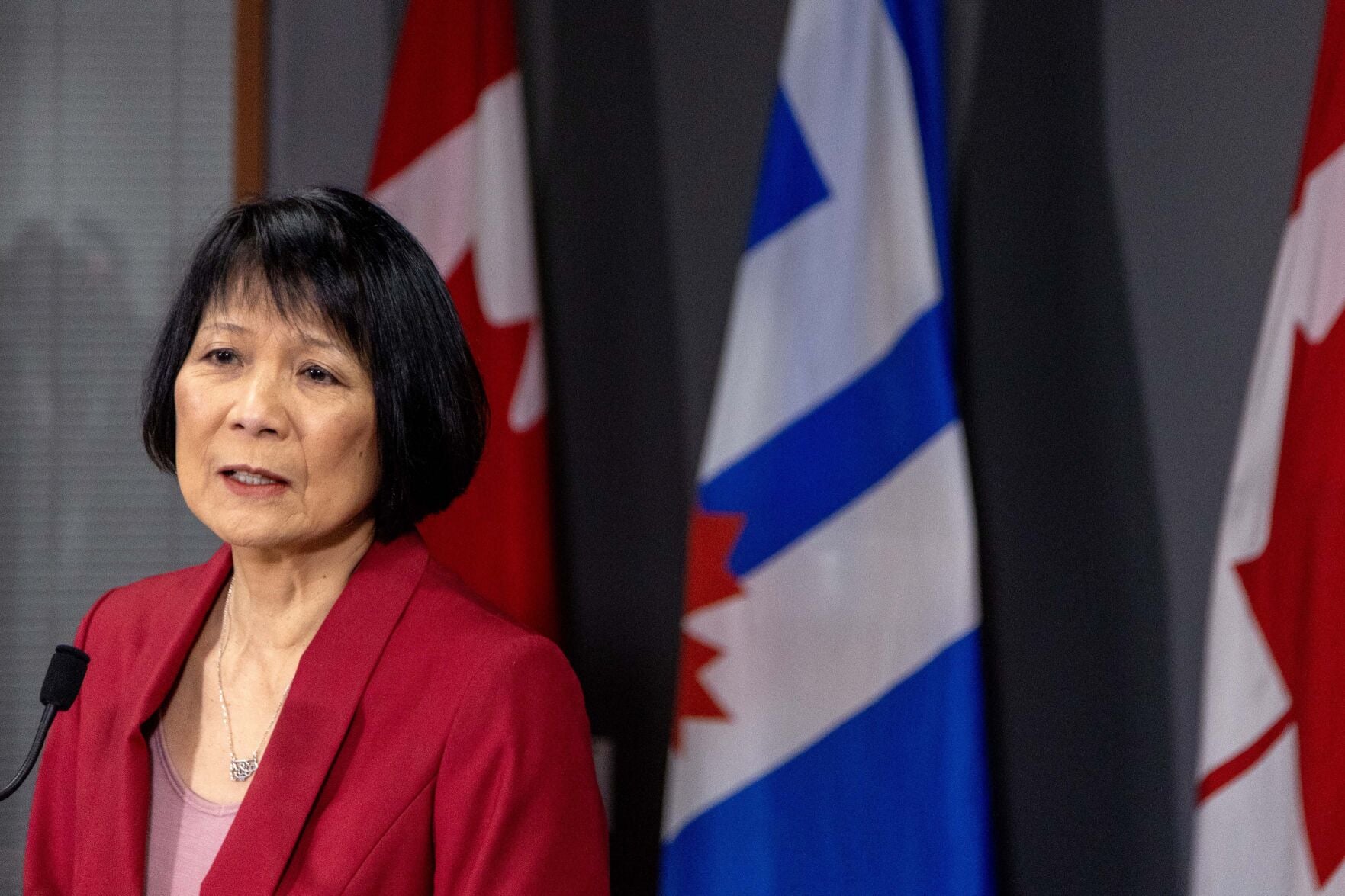
Chow believes this is an opportune moment for Toronto to act, as the Ontario legislature is currently on hiatus. “We need to get a head start on tackling surveillance pricing before Queen’s Park can get involved,” she said.
The growing concern over surveillance pricing reflects broader issues of consumer protection and the ethical use of personal data in retail.
“Surveillance pricing, also called algorithmic pricing, uses individual consumer data to determine the maximum each person is willing to pay, raising fairness concerns. Other jurisdictions like Manitoba and Quebec have taken steps, and federal legislation Bill C-36 aims to ensure responsible data use.”
 CP24
CP24



