- White House border czar Tom Homan defended ICE's plan to give officers gloves that deliver painful electric shocks, calling them a tool to help officers end confrontations without using deadly force.
- Homan argued the gloves provide a less lethal option similar to Tasers or pepper spray, saying, “You can’t just go from zero to 100, right, and the first thing you go for is lethal force.”
- Homan said it would be awhile before the gloves are deployed because ICE is still working out training protocols and other policy issues.
- Nelson County Jailer Justin Hall said his agency has used the gloves for four years, noting they are safer than Tasers and have been a “great tool” for gaining compliance.
- Criminology professor Geoffrey Alpert urged broader study and a smaller initial purchase, warning that “user error is almost predictable” without proper training.
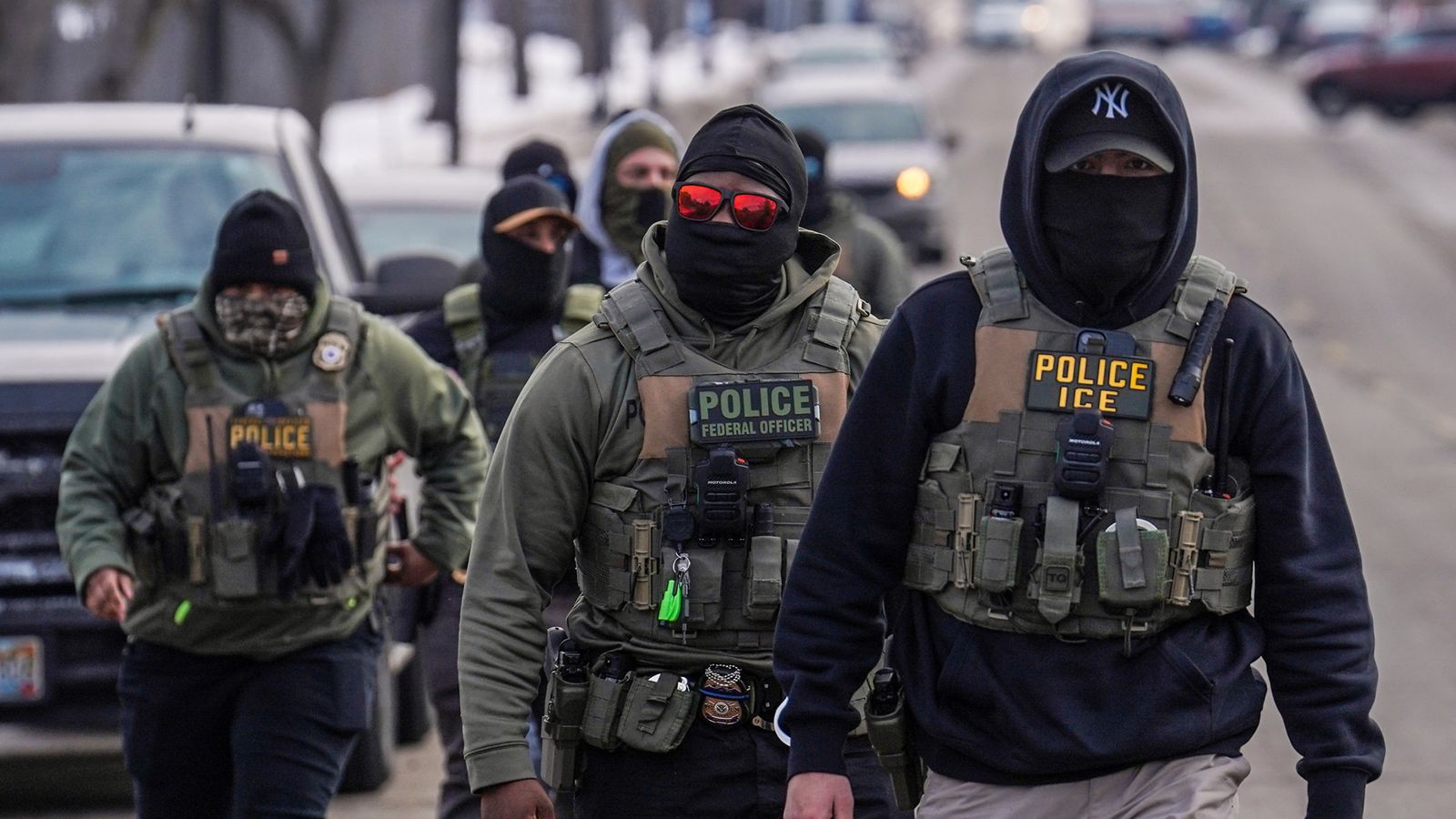
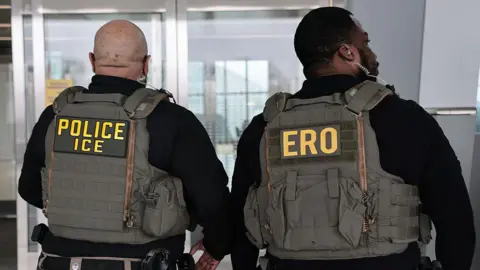
Tom Homan, the White House border czar, defended the controversial plan by Immigration and Customs Enforcement (ICE) to equip officers with electric shock gloves, termed G.L.O.V.E. (Generated Low Output Voltage Emitter), as a less lethal alternative to deadly force. Homan stated, “It’s another device to help someone get compliant when they are not,” emphasizing the need for officers to have options beyond lethal force.1
The gloves, which ICE plans to purchase for up to US$20 million, are intended for use in potentially violent situations, similar to Tasers and pepper spray. However, deployment is still pending as Homan noted it would “be awhile” before training protocols are finalized. Critics, including civil rights groups and some lawmakers, have raised alarms about the potential for misuse, especially given ICE's history of forceful encounters, with at least six fatalities linked to immigration enforcement agents in the past year.234
In Bardstown, Kentucky, local jailer Justin Hall shared his experience with the gloves, stating, “It’s just a safer way. It’s safer on the inmate. It’s safer on the staff.” However, criminology expert Geoffrey Alpert cautioned that the gloves should be studied further to ensure proper usage guidelines are established, warning of potential “user error” among officers not trained in de-escalation techniques. He suggested a more cautious approach, advocating for a smaller initial purchase to assess the effectiveness of the devices.
“Nelson County Jailer Justin Hall says his agency has used the gloves for four years, calling them safer than Tasers because they don't incapacitate or leave marks. Criminology professor Geoffrey Alpert warns 'user error is almost predictable' without proper training, urging a smaller initial purchase.”