- Petrol prices reached a record Rs 459 per litre in April, while diesel climbed to Rs 520.35 per litre, pushing transporters and households to the streets over taxes, fuel costs and inflation.
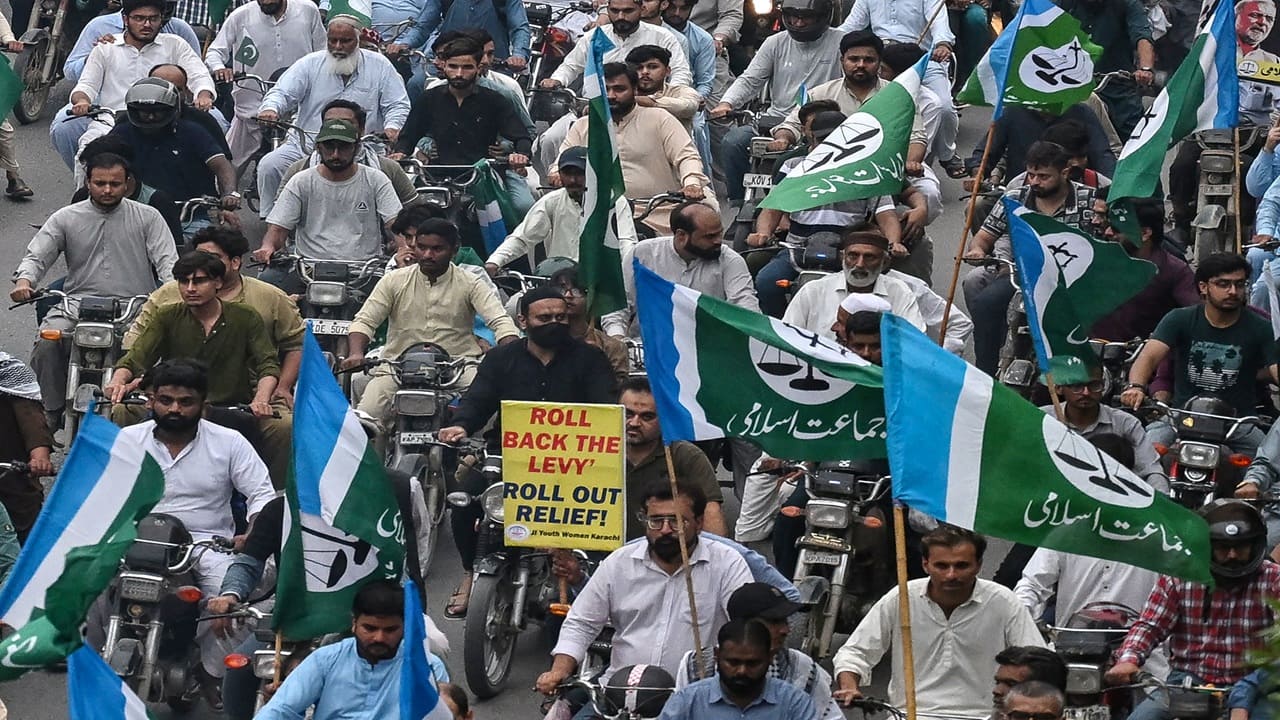
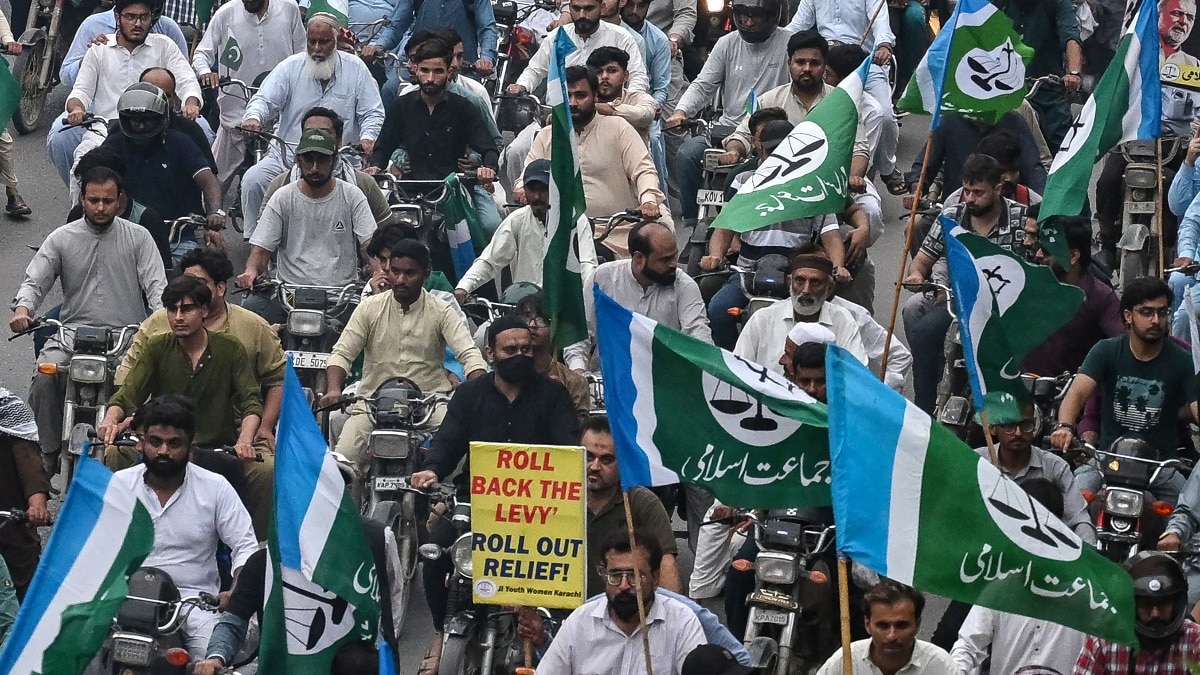
- Jamaat-e-Islami organised nationwide protests on Friday against the petroleum levy and rising living costs, with demonstrations in major cities including Karachi, Lahore, Peshawar, Quetta, Islamabad, Rawalpindi and Abbottabad.
- Transporters, including truckers, trailer operators and oil tanker companies, began an indefinite strike on Saturday after talks with the government failed.
- The government offered another round of talks on Monday, but transporters have said their action is indefinite.
- Since early March, the Shehbaz Sharif government has been revising petrol and diesel prices every week amid oil supply disruptions due to tensions in the Strait of Hormuz.
- Surging fuel prices have had a cascading effect on the cash-strapped nation, driving up transport and consumer goods prices in an economy plagued by structural inflation for years.
Pakistan is facing a wave of protests and a transport strike as petrol prices have surged to a record Rs 459 per litre and diesel to Rs 520.35, igniting public outrage over the government's fiscal policies.1
The protests, led by Jamaat-e-Islami, have spread across major cities including Karachi, Lahore, and Peshawar, with demonstrators demanding the withdrawal of a controversial petroleum levy. Hafiz Naeemur Rehman, the party's chief, condemned the government's tax policies, stating, “This levy is unacceptable... You must step back. You must abolish this levy tax.”
The transport strike, which began on Saturday, is expected to disrupt the movement of goods nationwide, as truckers and oil tanker operators join the protests after failed negotiations with the government. “The biggest concern is that a prolonged strike could push up the cost of transporting goods,” warned industry experts.
Jamaat-e-Islami's protests have been marked by slogans such as “Enough is enough” and “Roll back the levy, roll out relief”, reflecting the public's frustration with soaring living costs.
The government has offered further talks, but transporters have declared their action indefinite, indicating that the unrest may escalate if their demands are not met.34
Data shows that Pakistan's fuel price hikes are among the highest globally, exacerbating inflationary pressures in a country already grappling with economic challenges.
As the situation unfolds, the government faces increasing pressure to address the public's grievances and stabilize the economy.
“Petrol hit a record Rs 459 per litre and diesel Rs 520.35, with Pakistan's fuel price hikes the second-highest globally since the Iran war. Transporters demand lower diesel prices, reduced tolls, and tax relief, while Monday's talks with the government remain the immediate focus.”




