- After months of campaigning and billions of dollars spent on the US midterms, election day is finally here.
- According to the latest public opinion surveys, Democrats appear to have the upper hand - but polls haven't always been reliable, and this year could have its own share of surprising results.
- If history is any guide, midterm elections tend to favour the out-of-power party.
- Democrats could not only take control of the House of Representatives but far surpass the 218 seats needed for a majority.
- Potential outcomes range from a Democratic wave to a Republican hold to a divided Congress.
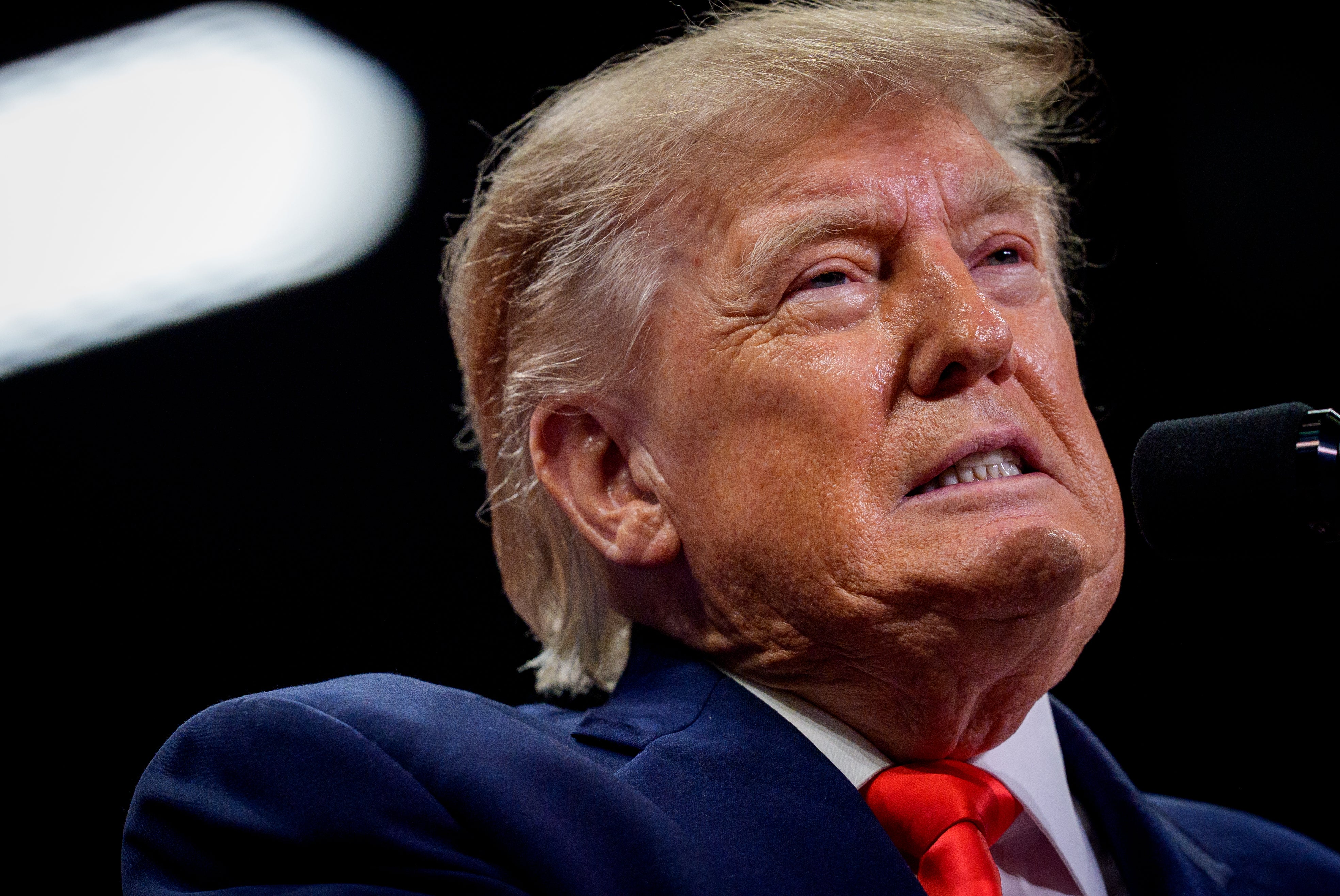
- Add in what polls suggest is a historically unpopular president, a war with Iran that has driven up consumer costs and some controversial policies - like aggressive immigration enforcement and support for data centre construction - and you have the conditions for a so-called electoral wave.
- This kind of a result would represent a stinging rebuke for Trump and his Republican Party, setting up two years of conflict between a newly invigorated Democratic Party with its hands firmly on the lever of legislative power and a president who seldom backs away from a fight.
- If Democrats hold targeted House contests in Florida and win some Republican districts in North Carolina, Michigan, New York, Virginia and Kentucky. If they flip the Senate seat in South Carolina, it's going to be a good night for Democrats.
- In the end, Republicans might eke out a slim overall majority thanks in part to efforts to draw more favourable congressional district lines in places like Texas, Florida and North Carolina.
- This scenario involves Republicans resiliently holding on to both chambers of Congress.
As Americans head to the polls for the midterm elections, the stakes are high.
Democrats seem to have the upper hand according to recent surveys, yet historical trends suggest that midterms often favor the out-of-power party.
With a president facing unpopularity and rising consumer costs due to a war with Iran, conditions are ripe for a potential electoral wave.
Democrats could gain control of the House, surpassing the 218 seats needed for a majority, and possibly flipping seats in traditionally conservative areas.
This would mark a significant setback for Trump and the Republican Party, leading to a potential two years of conflict with a newly empowered Democratic majority.
However, Republicans are also poised to resist this wave, with the possibility of maintaining control of Congress through strategic districting in states like Texas and Florida.
Republicans would need a strong turnout from their base, as well as support from independent and Hispanic voters who have previously distanced themselves from Trump's policies.
If Republicans manage to hold both chambers, Trump could claim a renewed mandate, pushing forward his agenda amidst a divided Congress, which could lead to political gridlock.
“Polls suggest Democrats could flip too-close-to-call races and some conservative-leaning seats, but odds of a divided Congress rise if Alaska's Dan Sullivans ballot controversy helps Mary Peltola or Abdul El-Sayed loses Michigan. A Republican resurgance could validate Trump's mandate despite historical headwinds.”