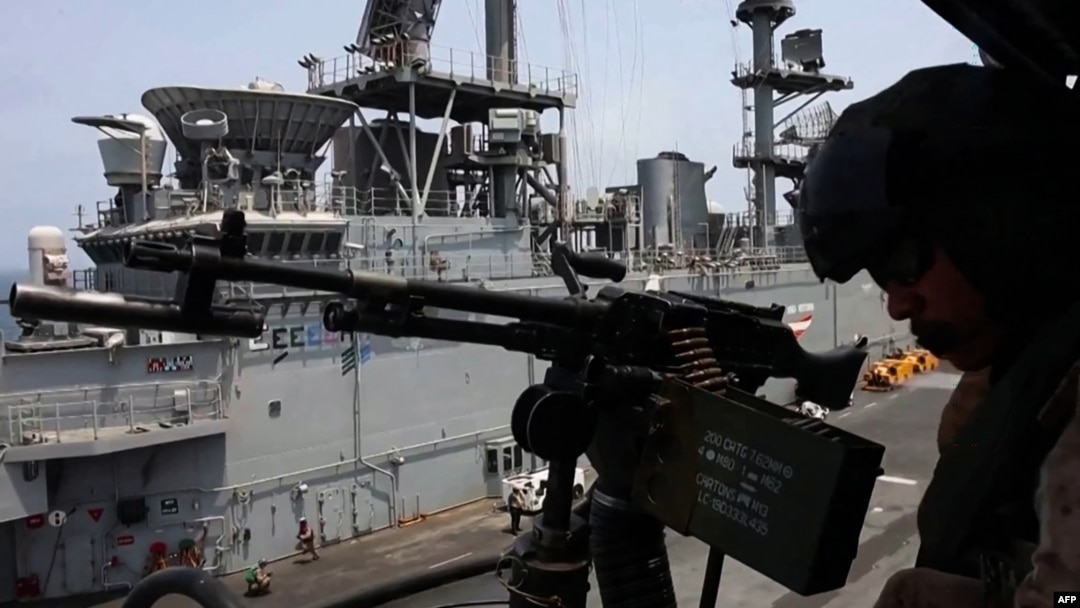
- The US launched the war against Iran in late February 2026, marking a significant escalation in regional tensions.
- Following a period of relative calm, the Pentagon has been conducting almost nightly strikes against Iran, prompting retaliatory actions against US military bases in the region.
- Saudi Arabia has joined the conflict by conducting airstrikes inside Iraq against the Iranian-backed Popular Mobilization Forces, resulting in the deaths of at least 20 fighters.
- On 25 July, the Houthis claimed responsibility for missile and drone strikes on Saudi oil infrastructure at Yanbu, further escalating the conflict.
- The Saudi defense ministry announced that 14 states, including Turkey, Pakistan, Egypt, and Sudan, have agreed to join the coalition against Iran.
- The conflict initiated by Trump has transformed from a quick war aimed at toppling Iran's regime into a regional conflict that threatens global energy supplies and could trigger a recession.
- The Houthis have previously disrupted international shipping through the Red Sea, causing significant increases in insurance premiums and delays in shipping routes.
- Saudi Arabia's GDP decreased in the second quarter of 2026 compared to the same period last year, indicating economic strain amid the ongoing conflict.
The US war against Iran is escalating rapidly, with significant implications for global stability and economic health.
The conflict has expanded beyond Iran, involving attacks and counterattacks in at least five countries, raising fears of a global recession as energy supplies are disrupted.
Saudi Arabia has intensified its military involvement, conducting airstrikes against Iranian-backed forces in Iraq, which resulted in the deaths of at least 20 fighters. “Trump’s conflict keeps escalating,” analysts warn, as the kingdom prepares for further military actions against the Houthis in Yemen, another Iranian ally.367
The Houthis have already demonstrated their capability to disrupt international shipping, notably after Israel's invasion of Gaza in 2023, which led to increased insurance premiums and rerouted vessels, inflating costs for goods in Europe and beyond.
The situation is further complicated by Iran's strategic control over the Strait of Hormuz, a critical passage for global oil supplies. “After Trump launched his war in late February, Iran effectively shut the strait,” which carries a fifth of the world’s oil and liquid gas supplies daily.
As the conflict continues to spiral, the potential for a global recession looms larger, with analysts warning that the ongoing military actions could severely disrupt energy markets and economic stability worldwide.
“Saudi Arabia's GDP fell in the second quarter of 2026, and its tenuous ceasefire with the Houthis is in danger of collapsing after the militia claimed missile and drone strikes on oil sites at Yanbu. Saudi Arabia's defense ministry says 14 states, including Turkey, Pakistan, Egypt and Sudan, have agreed to join the coalition.”

 Radio Free Europe/Radio Liberty
 The Guardian



