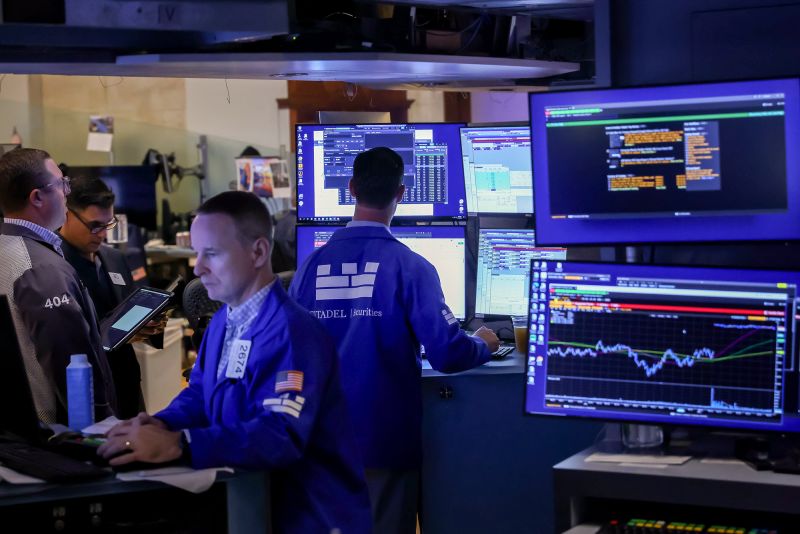
- On August 18, the 30-year Treasury yield topped 5.33%, marking its highest level in 19 years as inflation and government spending concerns pushed long-term rates higher.
- The 30-year Treasury now yields about 5.3%, which is 2.2 percentage points higher than the Schwab U.S. Dividend Equity ETF yield of 3.1%.
- The 30-year Treasury yield previously peaked at 5.35% in June 2007 before collapsing to 2.69% by the end of 2008 during the financial crisis.
- Dividend cuts surged in 2009, with General Electric reducing its dividend from $0.31 to $0.10 per share.
- The Schwab U.S. Dividend Equity ETF was launched in late 2011, tracking companies with at least 10 consecutive years of dividend payments.
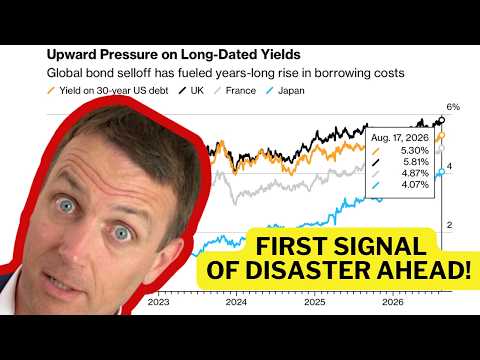
U.S. Treasury bonds are increasingly challenged by higher-yielding overseas bonds, as the 30-year yield recently exceeded 5.33%, marking its highest level in 19 years.1
Ira Jersey, chief U.S. interest rate strategist at Bloomberg Intelligence, noted, “Now the U.S. 30-year yield has to compete with all these other sovereign bonds. The U.S. is not the only game in town anymore.”
This shift comes as yields on U.K. bonds have reached 5.81%, and German bonds are yielding 3.76%, compared to 5.27% for a similar U.S. bond.

The 10-year Treasury yield has also seen fluctuations, rising to 4.74% recently, amid concerns over inflation and government debt.
The federal government has incurred $931 billion in interest on its debt in the first ten months of the fiscal year, surpassing expenditures on health and national defense.
As investors weigh their options, the Schwab U.S. Dividend Equity ETF offers a yield of 3.1%, highlighting the growing appeal of alternatives to U.S. Treasurys.26
“The 10-year Treasury yield rose back to 4.74% Friday after Treasury Secretary Scott Bessent's buyback announcement brought only temporary relief. The federal government has already paid $931 billion in interest this fiscal year, surpassing spending on health, defense, and veterans benefits.”
 Yahoo Finance