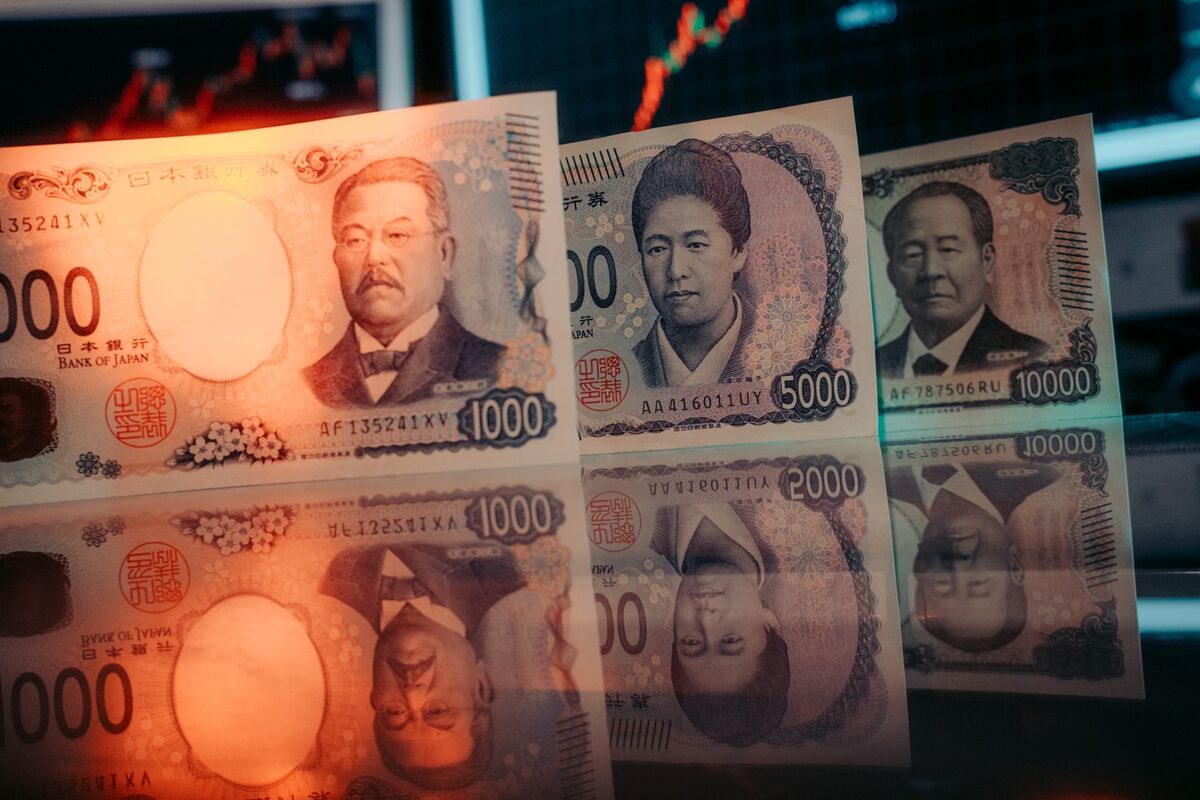
- Japan's Finance Ministry confirmed it conducted a coordinated yen-buying intervention with the U.S. Treasury on Friday, marking a rare joint action to address sharp swings in the Japanese currency.
- U.S. Treasury Secretary Scott Bessent confirmed the intervention, stating that it was aimed at countering disorderly yen movements.
- Japan signaled its readiness for further joint action, stating it "will not hesitate to conduct further coordinated interventions in the future".
- The intervention was carried out "in accordance with the 'Joint Statement of the Japanese and U.S. Finance Ministers'" issued in September 2025, aimed at addressing excessive volatility in the yen.
- Finance Minister Satsuki Katayama emphasized that Japan remains attentive and in close communication with the U.S. Treasury.
- Robin Brooks, a senior fellow at the Peterson Institute for International Economics, noted that the coordinated intervention could ultimately weaken confidence in the yen.
The U.S. and Japan have confirmed a coordinated yen-buying intervention aimed at stabilizing the Japanese currency amid significant volatility. Japan's Finance Minister Satsuki Katayama stated that the country is prepared for further joint actions with the U.S. Treasury, emphasizing ongoing communication between the two nations.1246
The intervention, which took place on Friday, was described as a rare collaborative effort to address sharp fluctuations in the yen's value. U.S. Treasury Secretary Scott Bessent noted that these actions were necessary to counter what he termed "disorderly yen movements."3
The yen had recently hit a low of 163.73 against the dollar before strengthening to 157.57 following the intervention. Bessent reassured that the U.S. remains vigilant and ready to engage in further interventions if necessary.

However, some analysts, like Robin Brooks from the Peterson Institute for International Economics, expressed concerns that such interventions might weaken confidence in the yen rather than bolster it. He suggested that if the U.S. had sold euros instead of dollars to buy yen, it could indicate a desire to prevent Japan from liquidating U.S. Treasuries to fund the intervention.7
Overall, this coordinated effort reflects the strong ties between the U.S. and Japan, with both nations committed to maintaining currency stability in the face of market challenges.
“The yen strengthened from 163.73 per dollar Thursday to 157.57 Friday, trading at 157.70 on Monday, as Japan said it may use the Federal Reserve's repo facility in future operations. Economist Robin Brooks warned Washington selling euros instead of dollars could undercut confidence in the yen, while Trump called the move 'a signal of friendship.'”
 CNBC
CNBC



