
- The strawberry moon will rise in the southeast on Monday, June 29.
- Moonrise will occur at 8:53 p.m. local time in Washington, 8:24 p.m. in Miami, 8:49 p.m. in Chicago, and 8:26 p.m. in Los Angeles.
- June's Strawberry Moon stays low in the sky, particularly noticeable from the Northern Hemisphere.
- The full moon will be exact at 7:57 p.m. EDT on June 29.
- The orange color of the moon does not last long, contrary to popular belief that it stays amber all night.
- Last year's Strawberry Moon rose extremely low due to a major lunar standstill, marking the peak of an 18.6-year cycle.
- The southerly moonrise point reached last year was the most extreme since 2006, with a similar occurrence not expected until the 2040s.
- The moon’s orbit is tilted about five degrees relative to the ecliptic, affecting its apparent path through the sky.
The upcoming Strawberry Moon, occurring on June 29, will be visible at 8:53 p.m. EDT in Washington, D.C., and is characterized by its low position in the sky.1236
June's Strawberry Moon stays low, making it a unique sight from the Northern Hemisphere.
This phenomenon is influenced by an 18.6-year lunar cycle, which affects the moon's rising and setting positions.
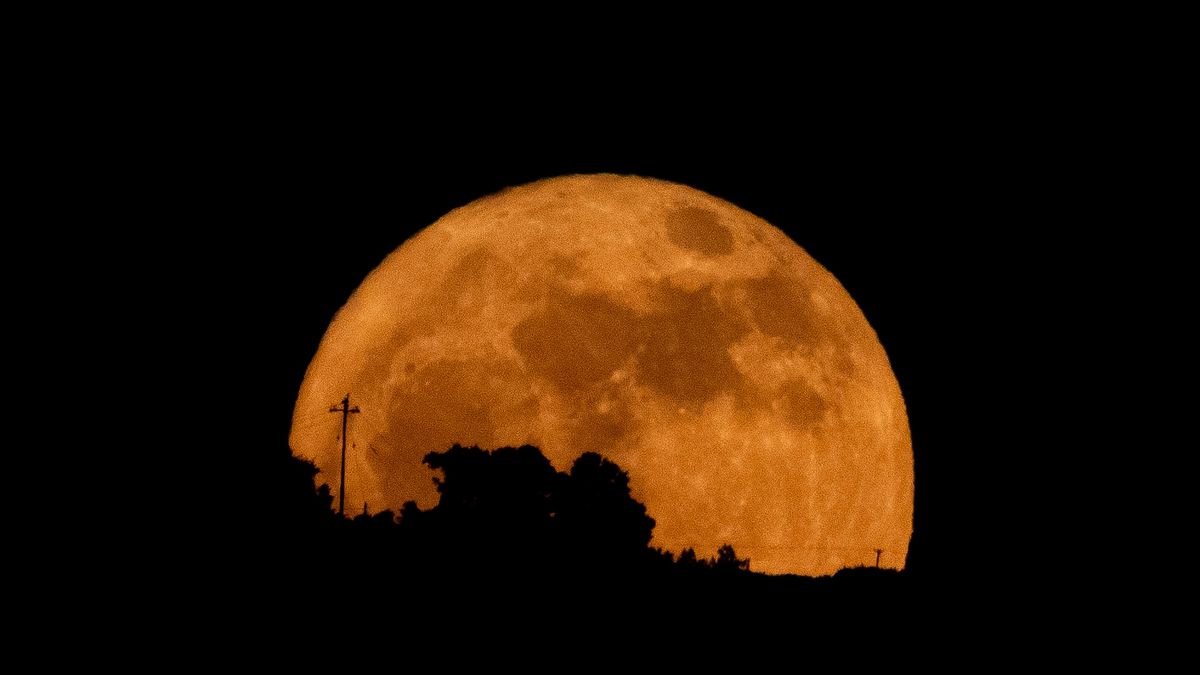
Last year's Strawberry Moon was particularly low due to a major lunar standstill, reaching its most southerly moonrise point since 2006.7
Observers are encouraged to find a wide-open horizon to fully appreciate the view.
The moon will appear orange during dusk, but this color does not last long, as many assume it remains amber throughout the night.
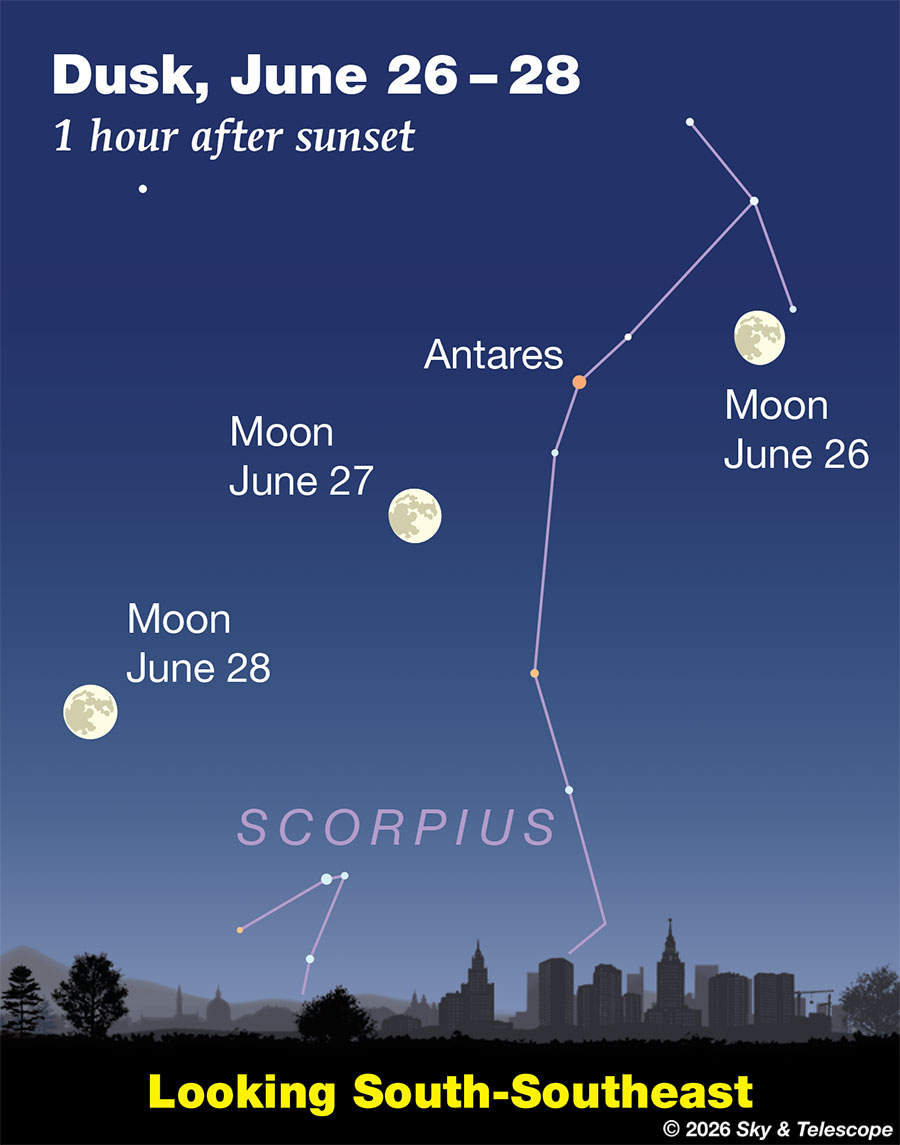
The sweet spot for viewing is during dusk on June 29, right around the time of the full moon, which occurs at 7:57 p.m. EDT.4
As the moon rises, it will shine under the three-star head of Scorpius, with the bright star Antares glimmering nearby.
This celestial event is a reminder of the beauty and wonder of our night sky, making it a must-see for astronomy enthusiasts and casual observers alike.
“The strawberry moon will rise on June 29, with peak visibility during dusk. This full moon is notable for its low position in the sky, especially from the Northern Hemisphere.”




